A messy home can happen faster than most of us would like to admit. A few packages land on the counter, clothes end up on a chair, paperwork starts forming a pile, and suddenly it feels like every surface has something sitting on it.
The good news is that getting your home back in order doesn’t have to mean spending an entire weekend cleaning. Small changes can make a noticeable difference, especially if you focus on one area at a time.
Here are 17 practical ways to clear out clutter and make it easier to keep your home organized.
Start With a Small Area
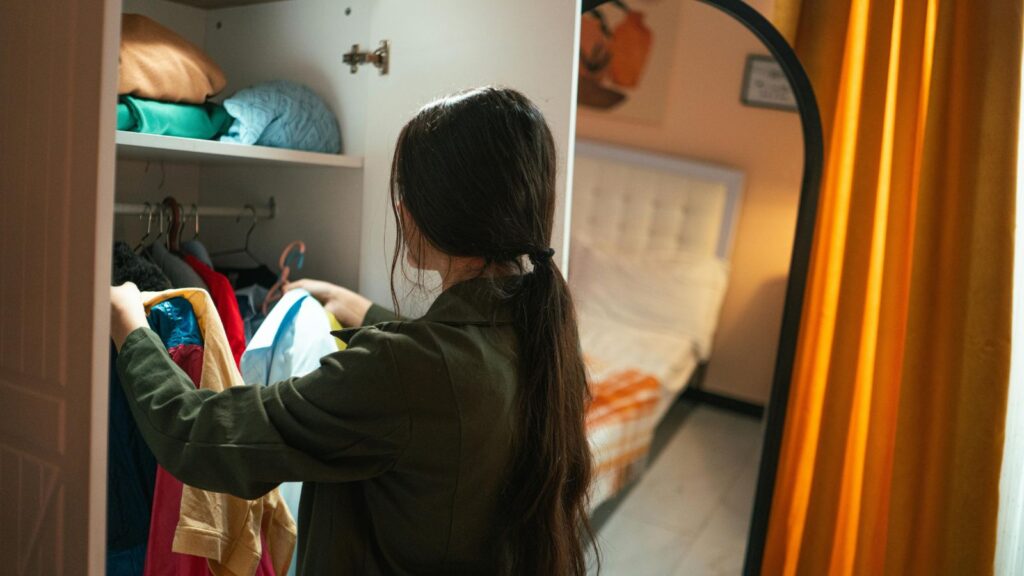
Looking at an entire house full of clutter can make you want to give up before you even begin. Pick something small instead, such as a kitchen drawer, bathroom cabinet, bookshelf, or junk drawer.
Set a timer for 15 or 30 minutes and work only on that space. Getting one small area finished gives you a visible result without turning the task into an all-day project.
Related: 15 Home Organization Tricks That Make Clutter Easier to Manage
Keep a Donation Box Handy
Set aside a box or bag for things you no longer use. As you come across clothing, household items, books, or other belongings that you’re ready to part with, put them in the box.
Once it’s full, drop it off at a local charity or donation center. Having a place ready for unwanted items makes it easier to get them out of the house instead of putting them back in a closet.
Follow the One-In, One-Out Rule
Bringing something new home often means something else can leave.
Bought a new sweater? Find one you rarely wear and donate it. Replaced an old kitchen appliance? Get rid of the one you no longer need.
This simple habit can keep your belongings from slowly taking over your closets and cabinets again.
Related: 10 Budget-Friendly Cleaning Products You Can Make at Home
Make Use of Wall Space
Your walls can provide a lot of storage without taking up floor space. Add shelves, hooks, pegboards, or wall-mounted racks where they make sense.
Hang pots in the kitchen, keep frequently used tools on a garage pegboard, or add hooks near the entryway for bags and coats. Moving a few things off the floor and counters can make a room feel much more open.
Create a Home Command Center
Most homes have a spot where keys, mail, receipts, school papers, and other small items seem to collect.
Instead of fighting that habit, give those things a dedicated area. A small wall organizer, a few hooks, a mail tray, and a calendar may be all you need.
The goal is to give everyday items a place to land instead of letting them spread across the house.
Clean Up Your Digital Clutter
Clutter isn’t limited to physical belongings. Your phone, computer, and email inbox can become just as messy.
Delete old screenshots, unused apps, duplicate files, and emails you no longer need. Create folders for documents that matter and unsubscribe from mailing lists you never read.
A little digital housekeeping can make your devices much easier to use.
Related: 13 Things You’ll Find in Almost Every American Home
Do a 10-Minute Evening Tidy
You don’t need to spend an hour cleaning every night. Ten minutes can be enough to reset the main living areas.
Put away shoes, return stray items to their usual spots, fold blankets, clear the kitchen counter, and deal with anything that obviously doesn’t belong.
Doing this before bed means you wake up to a home that already feels reasonably tidy.
Label Your Storage
Labels can save a lot of time, especially if several bins or containers look alike.
Label pantry containers, storage tubs, shelves, craft supplies, or holiday decorations. It becomes much easier to put something away when you already know where it belongs.
Labels can also help other people in the household put things back in the right place.
Check for Expired Items
Every so often, check the back of your pantry, refrigerator, bathroom cabinets, and medicine storage.
Expired food, old personal-care products, and outdated medications can take up space for months without anyone noticing. Dispose of these items according to local disposal guidelines, particularly for medications and household chemicals.
You’ll probably be surprised by how much space you recover.
Organize Similar Items Together
Instead of sorting only room by room, try grouping similar belongings together.
Put all your cleaning supplies in one area, gather books in one place, and collect tools together. Seeing how many similar items you own makes it easier to spot duplicates and decide what you actually use.
This can be especially helpful for things that tend to end up scattered around the house.
Give Everything a Home
A lot of clutter comes from items that have nowhere specific to go.
Pick a regular spot for everyday belongings. Keys might live on a hook by the door, mail can go into a tray, and charging cables can stay in one drawer.
Once an item has a designated spot, cleaning up becomes much easier because you don’t have to figure out where it belongs every time.
Rotate Seasonal Items
There’s little reason to keep winter coats, holiday decorations, or sports equipment taking up prime closet space all year.
Store items you only use during certain seasons in clearly labeled bins. When the season changes, swap them with the things you no longer need.
This can free up valuable closet and storage space without requiring you to get rid of things you still use.
Deal With Paper Clutter
Paper has a sneaky way of taking over a home. Bills, receipts, school papers, warranties, menus, and random notes can quickly become piles.
Create a simple system for paperwork that needs to be kept. Important documents can go into labeled folders, while papers you no longer need can be recycled or shredded.
Try dealing with new papers as soon as they come into the house rather than letting them become another pile.
Focus on One Room at a Time
Trying to organize every room in one weekend can quickly become exhausting.
Pick one room and finish that space before moving somewhere else. Remove things that belong elsewhere, decide what can be donated or discarded, and put the remaining items back where they belong.
Finishing one room gives you a clear stopping point and makes the whole house feel less overwhelming.
Use Baskets for Loose Items
Baskets are useful for things that don’t always stay neatly in place, such as toys, blankets, magazines, shoes, and remote controls.
Keep a basket in the area where those items tend to collect. You can quickly gather everything into one place without having to arrange every item perfectly.
Just remember to empty the baskets regularly. Otherwise, they can turn into hidden clutter.
Set Up a Clutter Catch-All
Sometimes you simply don’t have time to put something away right away. That’s where a catch-all basket or bin can help.
Put stray items inside it instead of leaving them on tables, counters, or stairs. Once a week, empty the basket and return each item to its proper spot.
It’s a small habit, but it keeps random belongings from spreading throughout the house.
Be Selective With Sentimental Items
Some things are difficult to let go of because they carry memories. That old concert shirt, childhood toy, handwritten note, or souvenir may mean more emotionally than it does practically.
You don’t have to keep every sentimental item forever. If you’re ready to part with something but still want to remember it, take a photo before donating or discarding it.
For more ideas on dealing with emotional belongings, check out this guide on sentimental clutter.
The goal isn’t to have a perfectly empty house. It’s to make your home easier to live in. Start with one drawer, one shelf, or one small pile, and work from there. Small habits repeated over time can keep clutter from becoming a much bigger job later.