
For many families, sewing was once part of everyday life. Grandmothers kept baskets filled with thread, buttons, scissors, and carefully folded patterns, while sturdy sewing machines sat proudly in living rooms or sewing corners for decades. At the time, these items were simply practical household tools. Today, many of them have become surprisingly valuable collectibles.
Collectors are drawn to vintage sewing pieces because of their craftsmanship, durability, and nostalgia. From beautifully made sewing tools to antique machines that still work perfectly, these once-common household items are now highly sought after at estate sales, thrift stores, antique malls, and online auctions.
Vintage Singer Sewing Machines
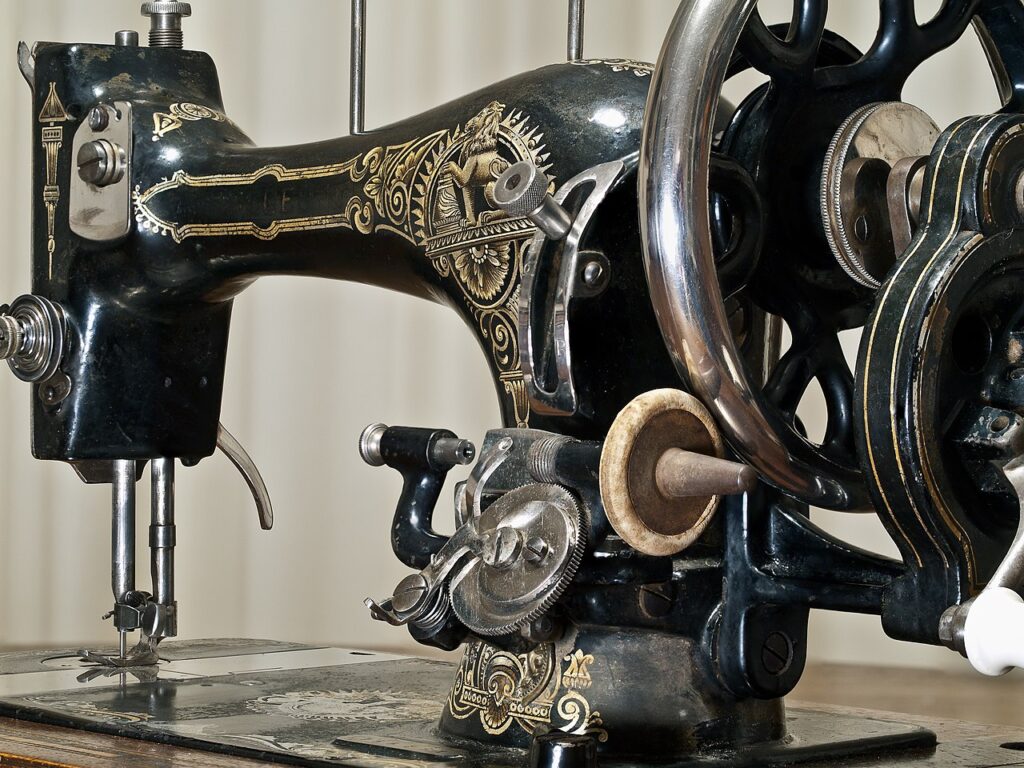
Few sewing items are as collectible as old Singer sewing machines. Models like the Featherweight 221 are especially popular because they’re lightweight, beautifully designed, and still fully functional decades later.
Many collectors look for machines with original cases, attachments, decals, and manuals. Well-preserved Singer cabinet machines can also attract attention, particularly if the finish and decorative details remain intact.
Vintage Buttons
Old buttons may seem small, but collectors love them for their detail and variety. Glass, mother-of-pearl, metal, carved bone, and hand-painted buttons are especially desirable because modern versions rarely match their craftsmanship.
Many people buy entire jars of vintage buttons just for the thrill of sorting through them. Rare styles, unusual shapes, and matching sets can sometimes sell for far more than expected.
Related: DIY Colorful Button Canvas Painting
Antique Velvet Pincushions
Vintage pincushions were often surprisingly decorative. Many were made from velvet, lace, silk, or embroidered fabrics and featured delicate details that reflected the style of their era.
Collectors especially look for Victorian-era pincushions or unusual designs shaped like animals, shoes, or miniature furniture. Even faded fabrics and worn stitching often add character rather than reducing value.
Sterling Silver Thimbles
Tiny silver thimbles have become popular collectibles because of their intricate detail and history. Many feature engraved patterns, monograms, or decorative tops, making them feel more like jewelry than sewing tools.
Older sterling silver thimbles from well-known makers can be especially valuable. Some collectors display entire cabinets filled with them because each piece is slightly different.
Wooden Thread Spools
Vintage wooden thread spools have become favorites among collectors and decorators alike. Their worn labels, aged wood, and muted thread colors create a nostalgic look that fits perfectly in farmhouse and vintage-inspired homes.
Spools with original thread and readable labels are often the most desirable. Many people display them in bowls, glass jars, or shadow boxes as decorative pieces.
Wiss Sewing Scissors
Vintage Wiss scissors are known for their incredible quality and durability. Unlike many modern scissors, older Wiss shears were built from heavy steel and designed to last for generations.
Collectors and sewists still actively seek them out because many pairs remain incredibly sharp and functional. Large tailor shears are especially valuable.
Sewing Needle Cases
Antique needle cases may be small, but they’re full of detail and charm. Many were made from wood, brass, silver, porcelain, or early plastics and often included tiny compartments for storing needles and pins.
Collectors love the variety of designs, from simple carved cases to highly decorative painted or engraved versions. Their compact size also makes them easy to collect and display.
Retractable Tape Measures
Vintage retractable tape measures were often made with decorative metal or celluloid cases that turned everyday sewing tools into miniature works of art. Some were shaped like animals, fruits, shoes, or tiny household objects.
Working tape measures with readable markings and smooth retracting mechanisms are especially collectible. Unique shapes or unusual materials can significantly increase value.
Antique Spool Holders
Spool holders helped organize thread while sewing, but many older versions were beautifully crafted as well. Wooden and cast-iron spool holders are especially popular among collectors today.
Complete pieces with all original pegs or hardware intact tend to be worth more. Many people now use them as decorative display pieces rather than functional sewing tools.
Sewing Birds (Bird Clamps)
Sewing birds are one of the most recognizable antique sewing collectibles. These metal clamps attach to a table while the bird-shaped portion holds fabric steady during hand sewing.
Their unusual design makes them highly decorative even for non-sewers. Cast iron and brass examples with original paint or fine detailing can command impressive prices.
Related: 15 Craft Supplies You’re Wasting Money On (and What to Use Instead)
Darning Eggs
Before people threw away socks with holes, they repaired them using darning eggs. These smooth wooden tools were placed inside fabric to help stretch and stabilize it while stitching.
Today, darning eggs represent a simpler era of repairing and reusing household items. Collectors appreciate both their practicality and their connection to traditional homemaking.
Hem Gauges
Vintage hem gauges may look simple, but they’re popular among collectors of sewing tools and notions. Older versions were often made of metal, cardboard, or celluloid and featured adjustable sliders for accurately measuring hems.
Their appeal comes from their usefulness and nostalgic design. Many vintage sewing enthusiasts still use them today.
Designer Sewing Patterns (1940s–1960s)
Vintage sewing patterns from brands like Vogue, Butterick, McCall’s, and Simplicity have become collectible pieces of fashion history. The envelope artwork alone often attracts collectors because it captures the style and beauty of mid-century fashion.
Patterns from the 1940s, 1950s, and 1960s are especially sought after. Complete patterns with all pieces intact and minimal wear are typically the most valuable.
Mid-Century Sewing Boxes
Mid-century sewing boxes combine smart storage with stylish design. Many were made from teak, walnut, or other rich woods and featured accordion-style compartments that folded open neatly.
Collectors love them because they’re both functional and decorative. Well-preserved examples fit perfectly into today’s renewed interest in vintage and mid-century home décor.