It was during the 1960s that all colors, patterns, and bold expressions swept into the living rooms of the world. With classic neutrals giving way to bold colours and quirky textures, every home was a one-of-a-kind explosion of self-expression. The decade progressed, and furniture designs grew bolder, and decor choices went wild with a daring mix-and-match style. In actuality, however, some of these would be considered questionable decor trends for modern tastes, in hindsight.
Today, as we scroll through curated minimalist living spaces on social media, it’s hard not to chuckle at some of the styles our grandparents loved. These items were popular in their day, but they may make it onto the “tacky” list in modern decor.
Shag Carpets

Shag carpet, the ’60s status symbol for the living room, was a thick, plush carpet that not just lent texture and warmth to any space but also wind chimes, emitting a pop of color with their bright hues. However, these carpets were also dust and dirt magnets. They needed a saint’s patience to clean them, and they aged badly, losing their fluffiness and blooming matted and tired. Today, they’re more likely to bring allergies than admiration.
Beaded Curtains

The rage for beaded curtains to add ‘mystique’ between rooms. While they made the vibe a bit playful, they rattled and clinked with each pedestrian walk by, and fast, it got old. Plus, if you were wearing anything that could catch on them, you’d be in a tug of war with your own curtain. Today, they mostly feel like a funky relic that they ought to be at a costume party, not in your home.
Bold, Clashing Patterns
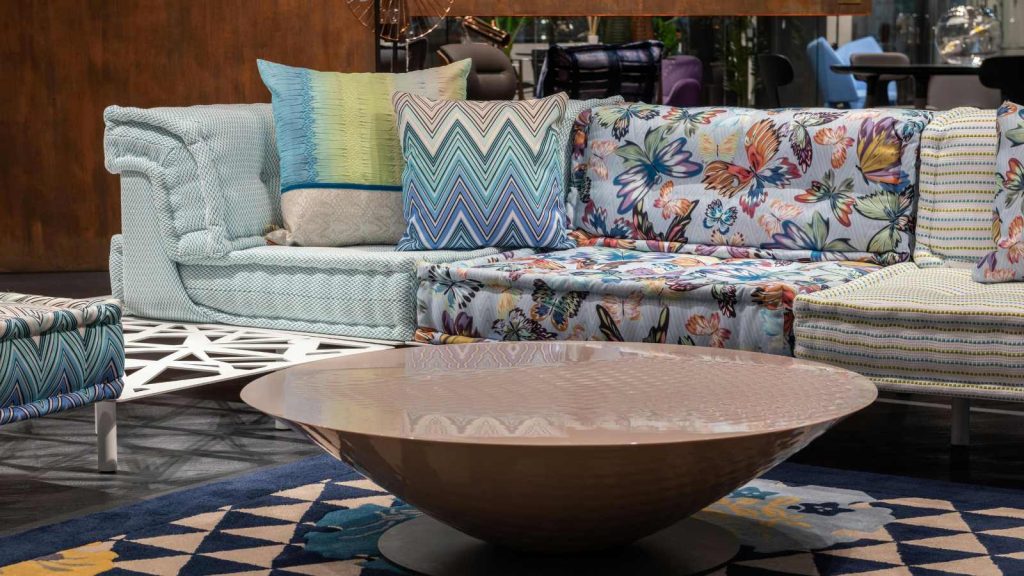
Patterns in the ’60s were not subtle. The same couch, wall, or even one piece of furniture was often pitted against stripes, florals, and psychedelic swirls for attention. The statement was the goal of design, but a look that was overwhelming and chaotic was the result. Today, the slogan of the ’60s, ‘the more, the better!’ has been replaced with the more common ‘less is more.’
Plastic Furniture

Plastic furniture was a futuristic fit into a modern, practical home in the 1960s. With the material, shapes, and colors that traditional furniture could not achieve were possible. But plastic chairs and tables were too rigid and a little too much like a doctor’s waiting room. Where once “cutting edge,” it now appears a little cheap and out of place in today’s living rooms.
Lava Lamps

The epitome of ’60s cool: funky, mesmerizing, and a touch surreal, lava lamps were the most ’60s thing ever. They’re still fun as novelty items, but they’re more likely to be in a retro-themed bar than in a modern home. At first, the constant motion of the lava must have been hypnotizing, but most people grew bored with blobs floating up and down by the time they got to adulthood.
Macramé Wall Hangings

In the 1960s, macramé was everywhere: plant holders, wall hangings. Long before boho was a word, the textured, woven pieces brought a little bit of that vibe to rooms. Macramé, however, collected dust, and the intricate knots didn’t offer easy maintenance… Most people prefer simpler, cleaner wall decor, but it’s had a bit of a resurgence.
Sunken Living Rooms

The sunken living room, or “conversation pit,” was designed to be the perfect comfortable, cozy space for getting together. These pits were, in reality, a tripping hazard and, honestly, a nightmare to clean. They were trendy, yes, but they were a pain in the ass to live with and had to be maintained constantly in order to be fashionable. Raised floors are a little more practical now.
Harvest Gold and Avocado Green Color Schemes

Staples of the ’60s and ’70s, these colors were on everything from kitchen appliances to living room walls. Back then, the earthy tones were thought to be “grounding” but now they’re dull and stale. Today’s color palettes are soft neutrals or bold pops, avocado green and harvest gold seem more like a bad throwback than a trendy choice.
Wood Paneling

The idea was to bring some warmth and nature into the home with wood-paneled walls. Over time, these panels aged poorly, making homes into dark, cave-like spaces. Today, they are often replaced by lighter, brighter alternatives. Real wood still has its charm, but natural wood accents aren’t the same as floor-to-ceiling wood walls.
Entertainment Centers Oversized

Entertainment centres were something that was a prized possession in the 1960s. These were massive pieces of furniture that could fit a television, a record player, and an entire vinyl collection on it. But they were also not practical, bulky, and took up valuable living space. With wall-mounted TVs, smart home techs, and digital music libraries, these enormous cabinets are no longer necessary and look out of place in a streamlined living room.
Bubble Chairs

Bubble chairs were innovative, fun, and played well into the ’60s decor. You felt like you were floating, something that quickly wore off. The chairs were too uncomfortable and too large, often too large for small rooms. They’re mostly considered just fun accent pieces, not something you need to have in modern times.
Floral Sofas

Indoor floral sofas were a staple of ’60s living rooms, keeping nature indoors. The only problem? Those florals were loud, busy, and sometimes so dizzying. These floral designs now seem too “in your face” for more subtle modern tastes, and most modern homeowners prefer more subtle upholstery.
Psychedelic Patterns Wallpaper

The ’60s were full of bold, vibrant, and, frankly, trippy wallpaper. These patterns looked nice, but they were hard to live with day in and day out. Homeowners’ nightmare was peeling them off, and now people like wallpaper that gives texture or muted pattern rather than overwhelming colors and shapes.