Kitchen tools are built to last, but that doesn’t mean they should last forever. Years of wear, scratches, rust, and outdated materials can turn once-reliable cookware into something that affects food quality or creates safety concerns. In many cases, replacing an old kitchen tool is a better choice than trying to squeeze a few more years out of it.
Here are 13 outdated cooking tools that may be worth retiring.
Worn Nonstick Cookware
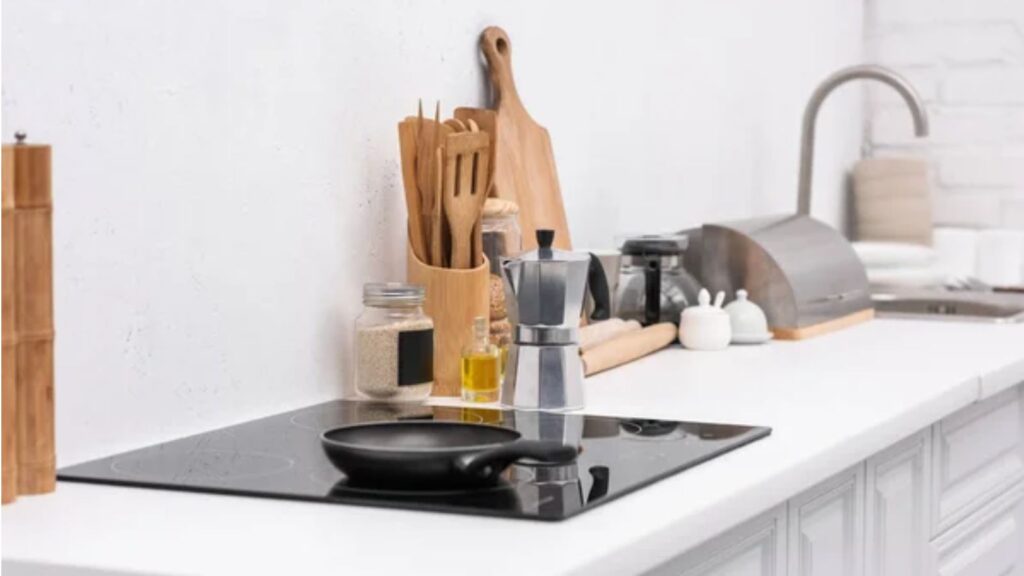
Nonstick pans make cooking and cleanup easier, but they don’t last forever. Once the coating becomes scratched, chipped, or starts peeling, it’s time for a replacement. Damaged nonstick surfaces can flake into food, and older pans manufactured before modern regulations may contain coatings that are no longer recommended. Replacing worn cookware is the safest option.
Related: 12 Items That Can Explode in Your Kitchen
Rusty Kitchen Knives
A sharp knife is one of the safest tools in the kitchen, while a rusty one is another story. Rust can weaken the blade, create rough spots, and make the knife harder to clean properly. Deep pitting may also trap bacteria, especially after cutting raw meat. If rust can’t be removed or the blade is badly damaged, it’s best to replace the knife.
Damaged Aluminum Cookware
Aluminum cookware is lightweight and heats quickly, but older pans with deep scratches, dents, or worn surfaces can release more aluminum into acidic foods such as tomato sauce or citrus-based recipes. While occasional exposure isn’t considered a major concern for most people, heavily damaged cookware is worth replacing.
Related: 12 Kitchen Gadgets That Are Hard to Replace
Poorly Maintained Cast Iron
Cast-iron cookware can last for generations if it’s properly seasoned and cared for. A neglected pan covered in rust or missing its protective seasoning can affect food quality and become difficult to clean. Restoring cast iron is often possible, but severely damaged pans may no longer be worth saving.
Old Plastic Food Containers
Many older plastic containers were made before newer food safety standards became common. Some contain chemicals such as BPA, which can migrate into food when heated. If a container is cracked, stained, badly scratched, or isn’t labeled as microwave-safe, replacing it with glass or newer food-safe containers is a smart move.
Related: 15 Kitchen Scraps You Should Never Use as Fertilizer
Outdated Meat Thermometers
A meat thermometer is one of the easiest ways to avoid undercooked poultry and other meats. Older thermometers can lose accuracy over time, making them less reliable. If you still have a mercury-filled thermometer, replace it with a modern digital model that’s easier to read and much safer if dropped.
Unlined Copper Cookware
Copper cookware is prized for its excellent heat control, but pure copper can react with acidic foods. Most quality copper cookware is lined with stainless steel or tin to prevent direct contact. If the lining has worn away or the cookware is unlined, it may be time for repair or replacement.
Deeply Scarred Plastic Cutting Boards
Plastic cutting boards develop grooves after years of chopping. Those cuts can trap food particles and bacteria that are difficult to remove completely, even after washing. If your cutting board has deep knife marks that won’t clean up, replacing it is a simple way to improve kitchen hygiene.
Worn Nonstick Bakeware
Cookie sheets, muffin pans, and cake pans with nonstick coatings also wear out over time. Once the coating starts peeling or blistering, baked goods won’t release as easily, and flakes can end up in your food. Replacing damaged bakeware helps keep baking both easier and safer.
Old or Rusted Graters
Graters become dull after years of use, making food preparation slower and requiring more force. Rust, bent teeth, or broken edges can also create safety risks for your hands. A new grater is inexpensive and makes meal prep much easier.
Scratched or Warped Frying Pans
A frying pan that rocks on the burner or heats unevenly can make cooking frustrating. Warped pans often leave hot and cold spots that affect everything from pancakes to steaks. If the pan also has a damaged cooking surface, replacing it will give you better cooking results.
Aging Grills and Grill Grates
Outdoor grills take a beating from weather and high heat. Rusted grates, failing burners, and damaged gas lines can create cooking and fire hazards. Inspect your grill before each season and replace worn parts or the entire unit if it no longer operates safely.
Old Can Openers
A can opener is easy to overlook until it stops working properly. Dull cutting wheels, rust, or loose parts can leave jagged edges on cans and make opening them difficult. If yours struggles to cut cleanly or shows signs of corrosion, replacing it is a simple upgrade that improves both safety and convenience.