
The ocean is full of incredible wildlife, but it also holds animals capable of causing serious injuries, or worse. While sharks usually get most of the attention, they’re far from the only creatures that deserve caution. Some of the sea’s most dangerous residents are small, well-camouflaged, or almost impossible to spot until you’re too close.
Whether they rely on venom, powerful jaws, lightning-fast attacks, or clever camouflage, these marine animals have evolved impressive ways to protect themselves and catch prey. Here are 17 of the most dangerous ocean creatures you could encounter.
Box Jellyfish
The box jellyfish is widely considered one of the deadliest animals in the sea. Its tentacles carry venom that can trigger intense pain, heart problems, and, in severe cases, death within minutes if medical treatment isn’t available.
Found mainly in the warm waters of the Indo-Pacific, its nearly transparent body makes it incredibly difficult to see, which is one reason swimmers accidentally come into contact with it.
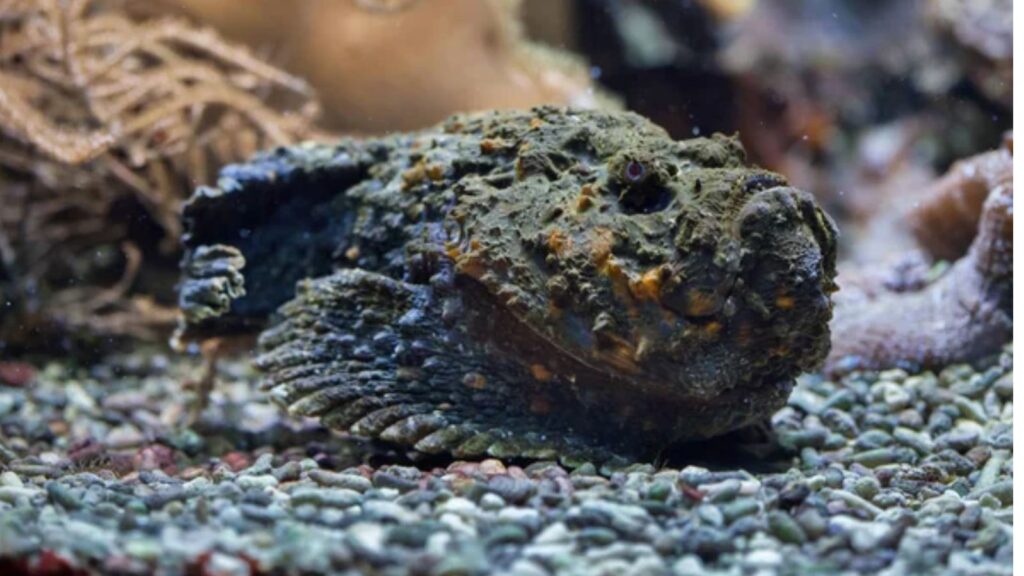
Stonefish
Stonefish are masters of disguise, blending almost perfectly with rocks and coral on the seafloor. Unfortunately, that camouflage makes them easy to step on.
Their dorsal spines release a powerful venom that causes intense pain, swelling, and tissue damage. Severe stings require immediate medical attention and can become life-threatening if left untreated.
Cone Snail
A cone snail may look harmless thanks to its beautifully patterned shell, but it hides a deadly weapon. It fires a tiny, harpoon-like tooth that injects venom into its prey in an instant.
Human stings are uncommon, but some larger cone snail species carry venom strong enough to cause paralysis and even death.
Pufferfish
Pufferfish are famous for inflating their bodies when threatened, but that’s not what makes them dangerous. Many species contain tetrodotoxin, one of the most potent natural toxins known.
This poison is concentrated in certain organs and can be fatal if eaten without proper preparation. That’s why serving pufferfish is tightly regulated in countries where it’s considered a delicacy.
Moray Eel
Moray eels spend much of their time hiding inside rocky crevices and coral reefs. Although they usually avoid people, they won’t hesitate to defend themselves if they feel cornered.
Their sharp teeth and powerful bite can leave deep wounds, and bacteria in their mouths may increase the risk of infection after an attack.
Lionfish
Lionfish are easy to recognize thanks to their dramatic fins and bold stripes. Hidden within those elegant fins are venomous spines that deliver painful stings.
While the venom is rarely fatal, it can cause severe pain, swelling, nausea, and weakness. Lionfish have also become an invasive species in several parts of the Atlantic and Caribbean, where they threaten native marine life.
Blue-Ringed Octopus
Small enough to fit in the palm of your hand, the blue-ringed octopus carries venom powerful enough to stop a person’s breathing.
Its bright blue rings become much more visible when it feels threatened. Despite its deadly reputation, this tiny octopus isn’t aggressive and usually bites only if handled or disturbed.
Jellyfish
Many jellyfish are harmless, but some species can deliver painful or dangerous stings. Their tentacles contain specialized cells that release venom on contact.
One thing many people don’t realize is that detached tentacles can still sting, even after the jellyfish has washed up on shore.
Saltwater Crocodile
Saltwater crocodiles are among the largest and most powerful predators on Earth. They can exceed 20 feet in length and are capable of explosive bursts of speed in the water.
Highly territorial and incredibly strong, they have one of the most powerful bites in the animal kingdom and are responsible for numerous attacks each year across parts of Asia and Australia.
Tiger Shark
Tiger sharks are opportunistic hunters with an unusually varied diet. They’ve been known to eat fish, sea turtles, seabirds, and even man-made objects.
Their curiosity and willingness to investigate unfamiliar objects have led to occasional encounters with humans, making them one of the shark species most often linked to attacks.
Blue Shark
Blue sharks spend much of their lives in open ocean waters, where they are fast, agile hunters. They usually avoid people, but they can become aggressive if they feel threatened or are competing for food.
Their speed and rows of sharp teeth make them highly effective predators.
Hammerhead Shark
Hammerhead sharks are instantly recognizable because of their wide, hammer-shaped heads. That unusual shape gives them excellent vision and helps them detect prey hidden beneath the sand.
Although attacks on people are uncommon, larger hammerhead species are powerful hunters that deserve respect.
Barracuda
Barracudas are built for speed, reaching impressive bursts of acceleration while chasing prey. Their long bodies and razor-sharp teeth allow them to strike quickly.
Most barracudas leave humans alone, but shiny jewelry or sudden movements can sometimes attract their attention, leading to accidental bites.
Stingray
Stingrays spend much of their time resting beneath the sand in shallow coastal waters. They generally prefer to swim away rather than fight.
Problems usually happen when someone accidentally steps on one. In self-defense, the stingray may whip its tail upward, driving its venomous barb into the threat.
Sea Snake
Sea snakes are among the most venomous reptiles in the world. Their venom is extremely potent, but bites are relatively rare because these snakes are usually calm and avoid confrontation.
Divers occasionally encounter them in tropical waters, and most incidents happen after the animals are handled or disturbed.
Crocodile Fish
Crocodile fish rely on camouflage to ambush unsuspecting prey. Their mottled coloring helps them disappear against sandy or rocky bottoms.
Their spines contain venom that can cause painful injuries if someone accidentally steps on or picks one up.
Great White Shark
Few ocean predators inspire as much respect as the great white shark. Growing over 20 feet long, these powerful hunters combine speed, strength, and one of the strongest bite forces in the animal kingdom.
Attacks on humans are rare, but their size and hunting ability make them one of the ocean’s most formidable predators. Most encounters happen because the shark mistakes a swimmer or surfer for its natural prey before quickly swimming away.