Rubbing alcohol is something many people keep in their medicine cabinets to clean minor cuts and disinfect skin. But that bottle can come in handy for plenty of other household jobs, from removing sticky residue to cleaning certain surfaces and freshening up smelly shoes.
Also known as isopropyl alcohol, rubbing alcohol dries quickly and can help dissolve grease, ink, and other stubborn messes. Here are 15 ways to use it around the house, along with a few precautions to keep in mind.
1. Disinfecting Household Surfaces
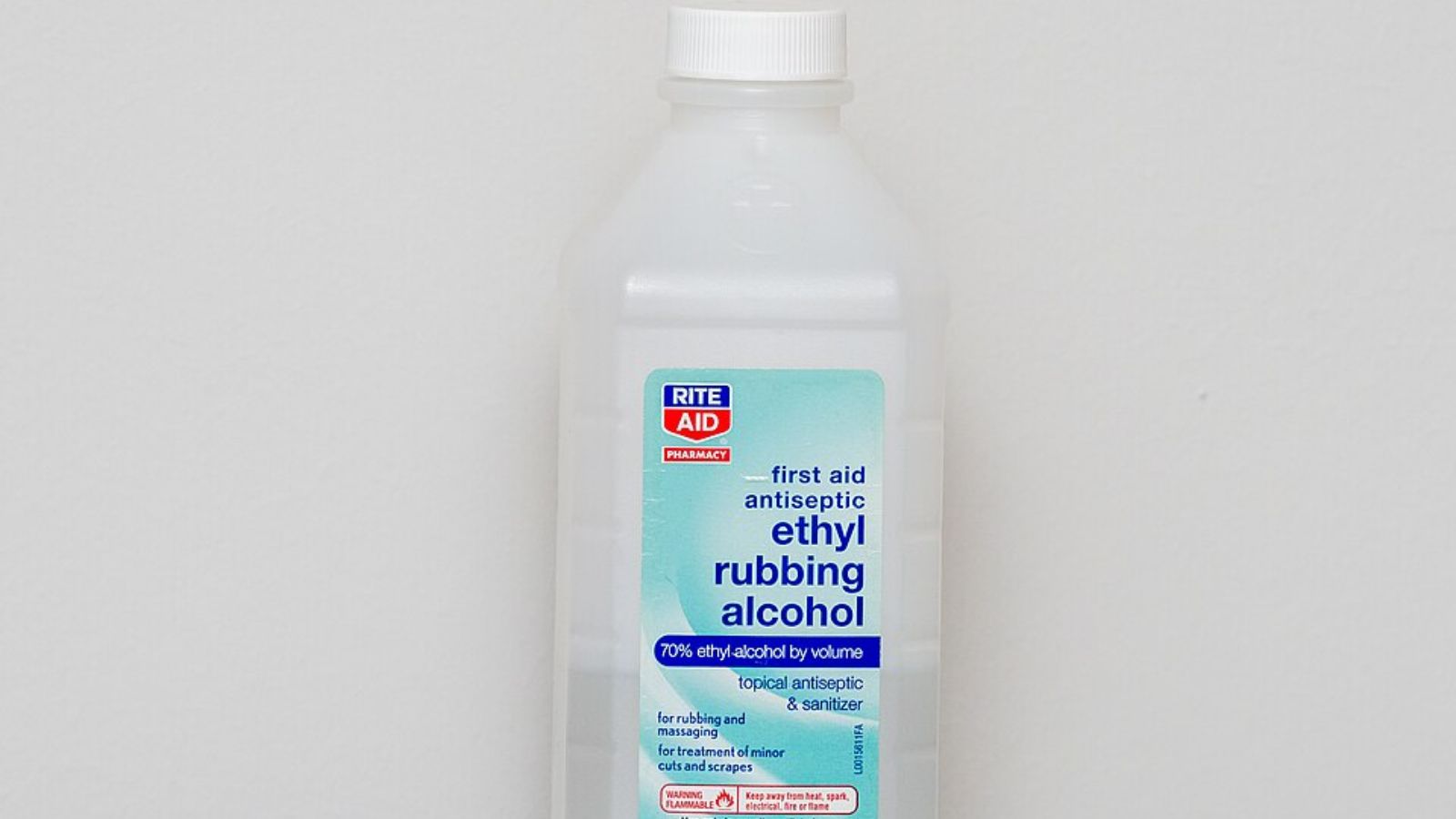
Door handles, light switches, and other frequently touched surfaces can collect germs throughout the day. A cloth dampened with 70% rubbing alcohol can disinfect many hard, nonporous surfaces, as long as it stays wet for the contact time listed on the product label.
2. Removing Stubborn Stains
Ink, permanent marker, and some lipstick stains can be difficult to remove with regular laundry detergent. Place a paper towel beneath the stained fabric, dab the spot with rubbing alcohol, and blot until the color begins transferring to the towel before washing as usual.
3. Cleaning Electronics
Phones, keyboards, and other frequently handled electronics can collect fingerprints, grease, and dirt. For compatible devices, use a soft microfiber cloth lightly dampened with 70% isopropyl alcohol, and check the manufacturer’s cleaning instructions before wiping screens or other delicate surfaces.
4. Avoiding Rubbing Alcohol on Cold Sores
Some people use rubbing alcohol on cold sores because they believe drying out the affected area will help it heal faster. This can actually irritate the skin, cause stinging, and delay healing, so it’s better to use a cold sore treatment recommended by a pharmacist or healthcare professional.
5. Deodorizing Shoes
Shoes can develop unpleasant smells after hours of walking, exercise, or getting caught in the rain. Lightly spray the insides with rubbing alcohol, then leave them in a well-ventilated area until completely dry.
6. Removing Sticky Residue
Sticker labels, price tags, and leftover tape can leave behind a stubborn layer of glue. Put a little rubbing alcohol on a cloth and gently rub the residue until it loosens, then wipe the surface clean.
7. Cleaning Eyeglasses
Eyeglasses collect fingerprints, facial oils, and dust throughout the day, making it harder to see clearly. Some lens manufacturers allow alcohol-based cleaners, but others warn against them because they can damage protective coatings, so check your glasses’ care instructions before using rubbing alcohol.
8. Reviving Dry Erase Markers
A dry erase marker that has stopped writing may have dried ink around its tip. A small amount of rubbing alcohol can sometimes loosen dried ink, but soaking the tip may also damage the marker, so check the manufacturer’s instructions before trying this trick.
9. Removing Nail Polish
If you’ve run out of nail polish remover, rubbing alcohol may help remove some regular nail polish. Soak a cotton pad with a little alcohol and gently rub your nails, keeping in mind that it may take longer than traditional remover.
10. Taking Precautions Against Swimmer’s Ear
Water trapped inside the ear canal after swimming can create conditions that lead to swimmer’s ear. Although some over-the-counter ear-drying drops contain alcohol, homemade mixtures of rubbing alcohol and vinegar aren’t suitable for everyone, particularly people with ear tubes, a damaged eardrum, or an existing ear infection.
11. Cleaning Remote Controls
TV remotes are handled so often that dirt and grime can collect around the buttons and in the small gaps between them. Lightly dampen a cotton swab or microfiber cloth with rubbing alcohol and clean around the buttons, keeping liquid out of the openings.
12. Cleaning Hair Tools
Hairbrushes and combs can collect loose hair, styling products, and natural oils after repeated use. After removing trapped hair, wipe compatible plastic tools with a cloth lightly dampened with rubbing alcohol, then let them dry completely.
13. Cleaning Children’s Toys
Toys that children carry around all day can collect dirt, food residue, and germs. Rubbing alcohol may be suitable for certain hard, nonporous toys, but don’t use it on toys children might put in their mouths or on surfaces that could retain alcohol residue.
14. Cleaning Tile and Grout
Bathroom grout can collect soap residue, dirt, and mildew, leaving the spaces between tiles looking discolored. For everyday cleaning, use a suitable bathroom cleaner and a grout brush rather than relying on rubbing alcohol to remove mildew.
15. Cleaning Certain Types of Jewelry
Rubbing alcohol can remove oils and fingerprints from some metal jewelry and nonporous gemstones. For compatible pieces, dampen a soft cloth with alcohol, wipe gently, and allow the jewelry to dry before putting it away.