Most homeowners lock the front door before leaving the house, but that’s only one part of keeping a home secure. Burglars often look for weak spots that are easy to miss, and some of them are hidden in plain sight.
Taking a few minutes to inspect these areas can make your home much harder to break into. Here are ten common entry points that deserve a closer look.
1. Windows
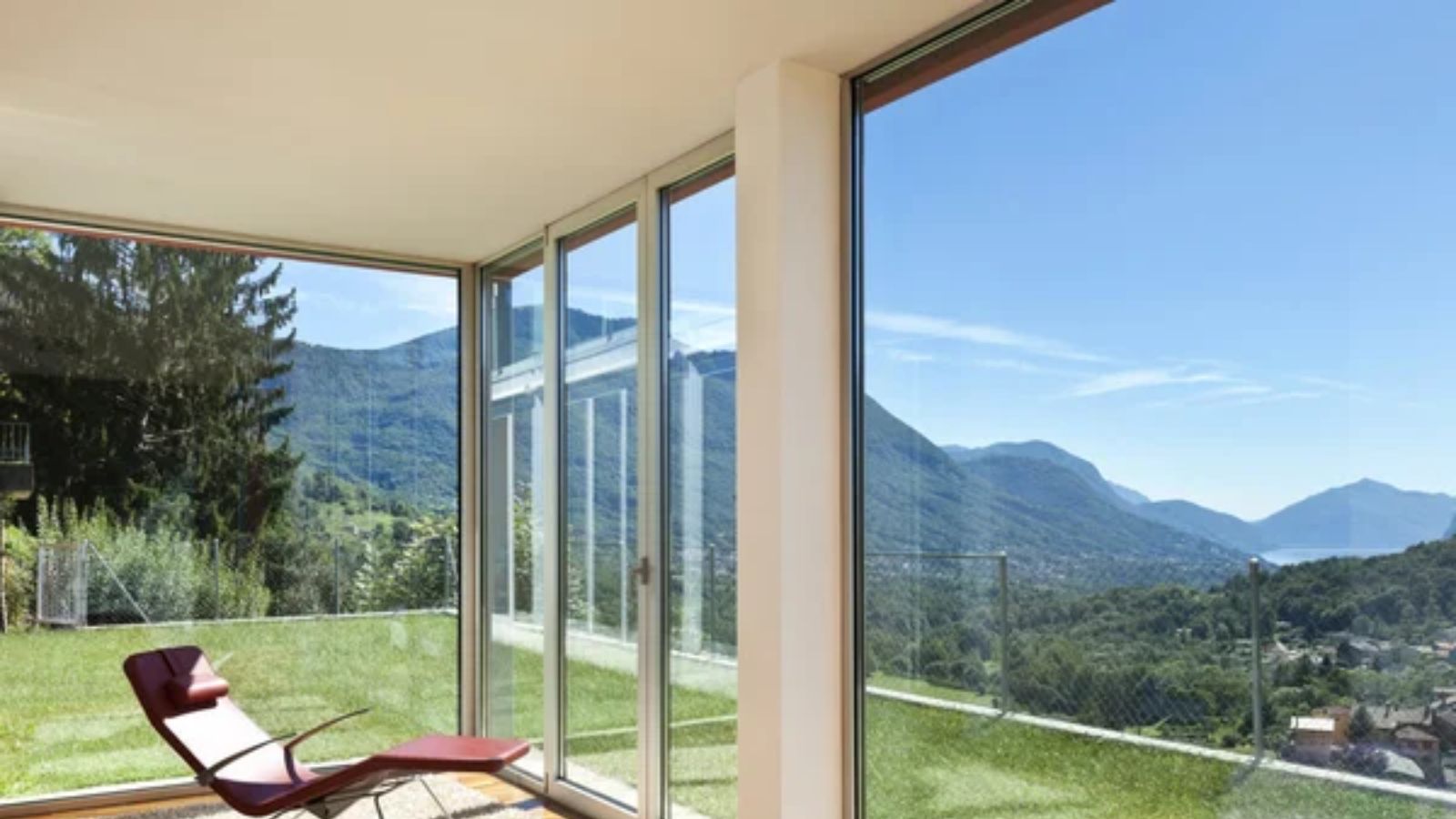
Ground-floor and basement windows are some of the first places an intruder may check. An unlocked window or a weak latch can offer an easy way inside.
Check that every window closes securely and has a working lock. Window security film, reinforced glass, or window sensors can provide extra protection without changing the look of your home.
Related: 12 Home Decor Mistakes That Can Keep Your Home From Looking Its Best
2. Exterior Doors
Your front, back, and side doors should all have sturdy locks and solid frames.
Deadbolt locks offer better protection than standard latch locks, and longer screws in the strike plate make it harder for someone to force the door open. If you’re away often, a smart lock lets you monitor and control access from your phone.
3. Garage Doors
Garages often contain valuable tools, bicycles, and vehicles, but they can also provide direct access to the rest of the house.
Keep the garage door closed whenever possible, lock any door leading into the home, and install motion-activated lighting outside. If your garage door opener is older, upgrading to a newer model with rolling security codes adds another layer of protection.
Related: 12 Indoor Plants That Create a Calmer Home Atmosphere
4. Sliding Glass Doors
Sliding doors can be vulnerable if they aren’t properly secured.
A simple metal bar or wooden dowel placed in the bottom track prevents the door from sliding open, even if the lock is bypassed. Security bars and anti-lift devices also make it much harder to remove the door from its track.
5. Pet Doors
Pet doors are convenient for animals, but larger models can create an unexpected security risk.
Choose a pet door that locks securely or one that opens only when it detects your pet’s electronic collar. This helps prevent unwanted visitors from reaching through or attempting to gain entry.
Related: 15 Sneaky Home Storage Ideas for Your Most Important Items
6. Basement and Attic Windows
These windows are easy to overlook because they’re rarely used.
Check them regularly to make sure locks still work properly and the frames remain in good condition. Window bars or reinforced glass may be worth adding if these windows are hidden from public view.
7. Chimneys and Vents
Most people don’t think of chimneys or large exterior vents as possible entry points, but unsecured openings can create problems.
A sturdy chimney cap or vent cover helps keep intruders, animals, and debris out while still allowing proper airflow.
8. Mail Slots
A mail slot placed directly in a door can sometimes give someone access to locks or keys left nearby.
Installing an interior guard or protective cover helps prevent anyone from reaching inside. It’s also a good habit to avoid leaving keys or other valuables within arm’s reach of the opening.
9. Skylights
Skylights bring natural light into a home, but they can also become a weak spot if they’re easy to access from a roof or nearby structure.
Look for models with locking hardware, and inspect them occasionally to make sure the locks and seals remain in good condition. Laminated or impact-resistant glass offers extra protection.
10. Air Conditioning Units
Window air conditioners can create an opening large enough for someone to climb through if they aren’t properly secured.
Use brackets or support hardware to anchor the unit firmly in place, and seal any gaps around it. Outdoor lighting and security cameras nearby can also discourage anyone from trying to tamper with the unit.