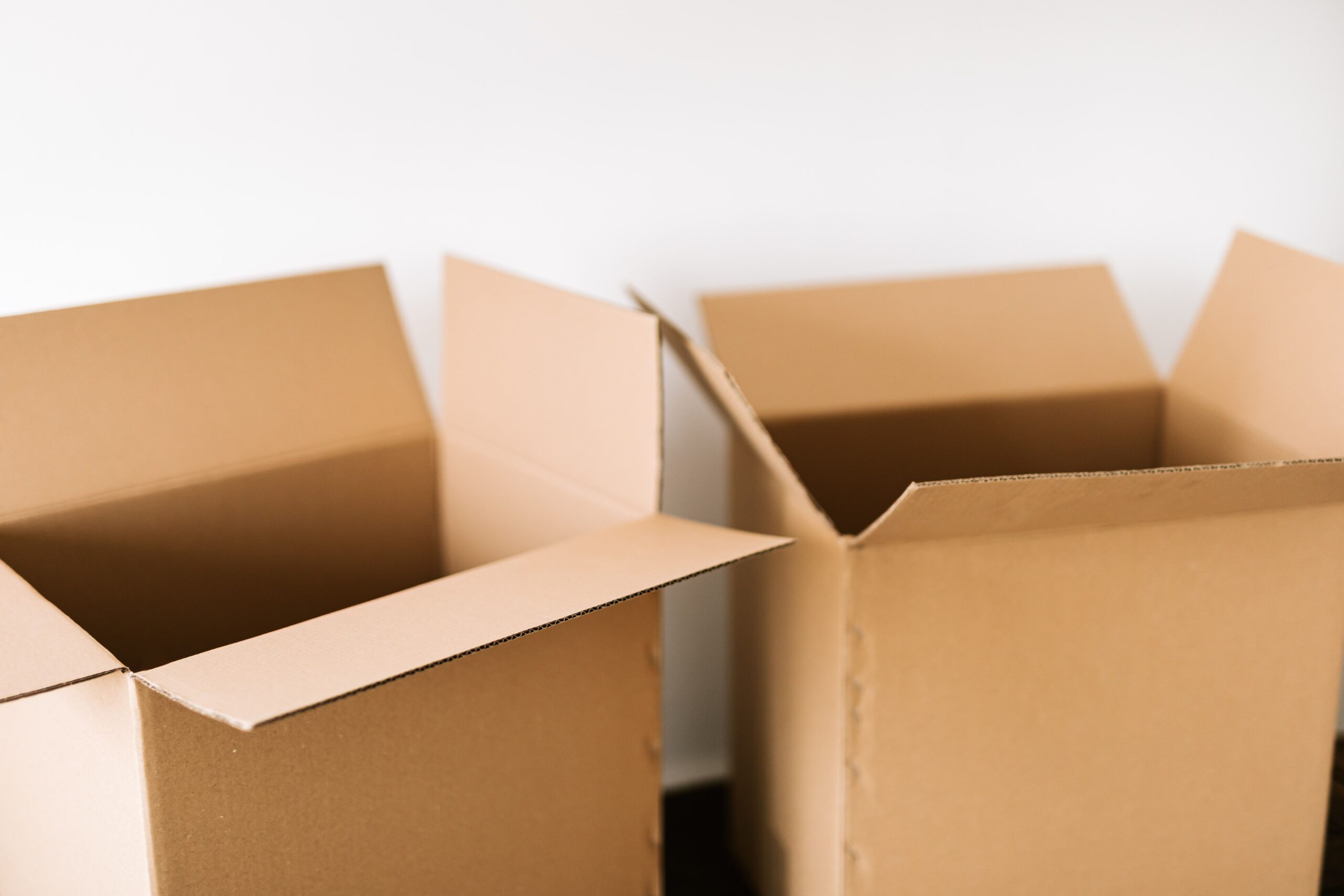
Cardboard boxes are cheap, easy to find, and handy when you’re moving or clearing out a room. They’re fine for things you only need to pack away for a little while, but they aren’t always a good choice for long-term storage.
Cardboard can absorb moisture, attract insects and rodents, and weaken as it gets older. Items left inside for months or years may end up damp, damaged, or infested before you even think to check on them.
If you’re planning to store belongings for a long time, take a closer look at what you’re packing. These 13 items are better off in a more suitable storage space.
Food
Pantry staples may seem safe in a cardboard box, but the box can attract rodents and insects looking for an easy meal. Keep packaged food in its original containers or pest-resistant storage, and store it in a cool, dry place away from heat and humidity.
Clothing and Linens
Clothes, blankets, and linens can pick up musty smells if moisture gets trapped inside a cardboard box. Use clean plastic storage bins or breathable garment bags, making sure everything is completely dry before packing it away.
Sentimental Keepsakes
Old letters, childhood drawings, family heirlooms, and other keepsakes can be damaged by moisture, pests, and acidic cardboard. Store paper mementos in acid-free archival boxes, and place other keepsakes in suitable protective containers.
Related: Decluttering Is Hard When You’re Sentimental—Here’s What Helps
Towels and Bedding
Spare towels, comforters, and sheets can develop musty odors or mildew if they’re packed away before they’re completely dry. Store them in clean containers or breathable fabric bags in a dry area, and avoid sealing damp bedding inside plastic.
Important Documents
Birth certificates, passports, tax records, and legal paperwork can be difficult to replace if they’re damaged. Keep them in waterproof document cases or archival folders, preferably in a secure location away from leaks and humidity.
Family Photos
Printed photographs can stick together, fade, or develop mold when exposed to moisture and heat. Keep treasured pictures in acid-free photo albums or archival boxes, and store them somewhere cool and dry.
Books
Books can absorb moisture from cardboard boxes, leading to musty smells, mold, and damaged pages. Store them upright on sturdy shelves or in clean, acid-free containers in a cool, dry room.
Electronics
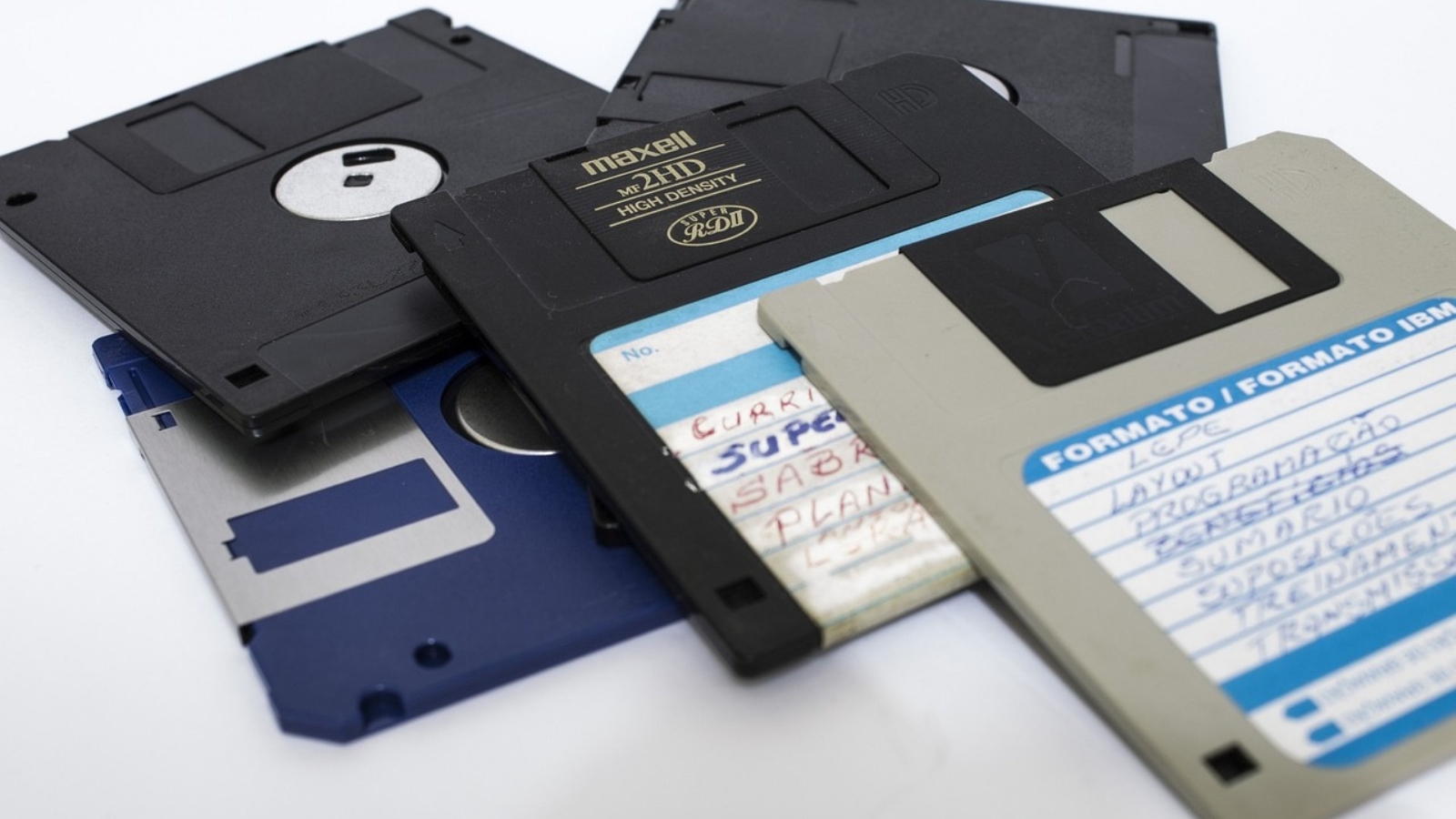
Computers, cameras, gaming consoles, and other electronics can suffer from moisture, dust, and extreme temperature changes during storage. Keep them in their original packaging when available or use suitable protective cases, and store them in a dry space with stable temperatures.
Valuable or Fragile Items
Jewelry, collectibles, glassware, and antiques need more protection than an ordinary cardboard box can offer. Use padded containers or individual protective cases, and make sure fragile pieces can’t knock against one another.
Holiday Decorations
Glass ornaments, decorative figurines, and seasonal lights can get crushed or damaged if they’re packed into aging cardboard boxes. Sturdy plastic bins with dividers or padded compartments offer better protection, especially for decorations you bring out every year.
Vinyl Records
Vinyl records can warp in high temperatures, while moisture can damage their sleeves and encourage mold. Keep records upright in a cool, dry room and use sleeves and storage crates made for vinyl.
Craft Supplies
Paper, fabric, yarn, ribbon, and other craft materials can attract pests or become damaged if moisture gets into their storage boxes. Clear containers with secure lids make it easier to keep supplies clean and see what you have.
Household Chemicals
Cleaning products, paint, pesticides, and other household chemicals can leak, spill, or react badly if their containers are damaged. Keep them in their original, clearly labeled containers on suitable shelving, follow the storage instructions on each label, and keep incompatible products apart.