
Plants have long been valued for their beauty, food, and medicinal uses. Still, not every plant is safe to grow or sell. Some contain powerful toxins or controlled substances, while others spread so aggressively that they damage local ecosystems. Because of these risks, federal and state laws restrict or prohibit the sale, cultivation, or possession of certain plants in the United States.
Here are 15 plants that are illegal to own or sell in all or parts of the U.S.
Peyote (Lophophora williamsii)
Peyote is a small, spineless cactus native to parts of the southwestern United States and Mexico. It contains mescaline, a naturally occurring hallucinogenic compound that can alter perception and mood. Because of its psychoactive effects, peyote is classified as a Schedule I controlled substance under federal law, with limited legal exemptions for certain religious ceremonies.
Related: 12 Common Garden Plants That Are Surprisingly Poisonous
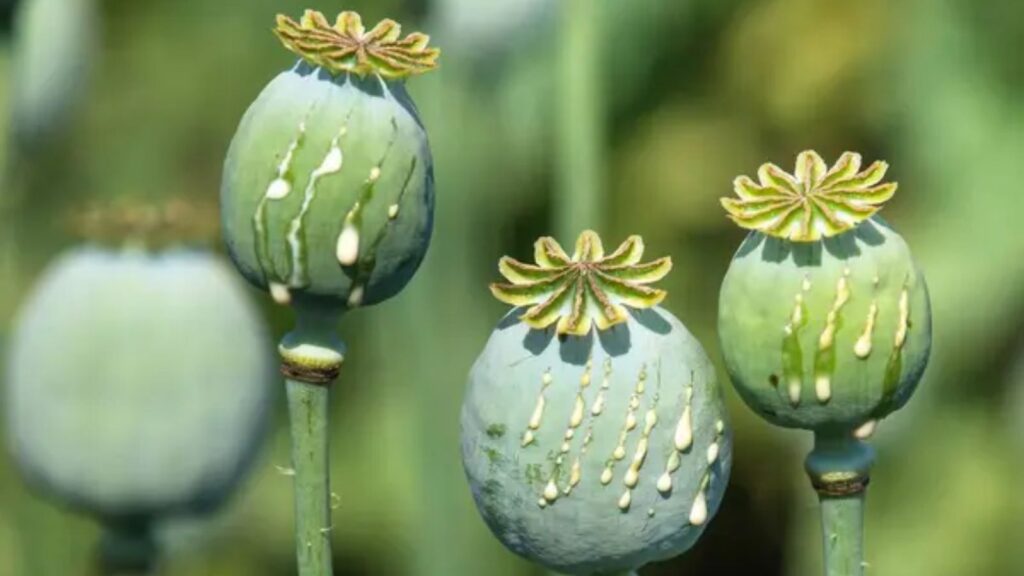
Opium Poppy (Papaver somniferum)
Opium poppies are admired for their colorful blooms, but they also produce compounds used to make opium and several opioid drugs. While the flowers themselves are attractive, cultivating these plants for opium production is illegal in the United States. Their sale and cultivation are closely regulated because of their connection to illegal narcotics.
Marijuana (Cannabis spp.)
Cannabis laws vary widely across the country. While many states allow medical or recreational use, marijuana remains illegal under federal law unless authorized through approved programs. Growing, selling, or possessing cannabis without meeting the legal requirements in your area can result in penalties.
Related: 14 Plants That Turn Vertical Gardens Into Living Walls
Coca Plant (Erythroxylum coca)
The coca plant grows naturally in parts of South America and has been used traditionally for centuries. Its leaves contain alkaloids used to produce cocaine, a powerful stimulant. According to U.S. Customs and Border Protection, coca leaves and cocaine are controlled substances, making the plant illegal to import or cultivate in the United States.
Salvia divinorum
Native to southern Mexico, Salvia divinorum contains compounds that can cause intense hallucinations and altered states of consciousness. Federal law does not ban the plant outright, but many states have made it illegal to possess, grow, or sell because of its psychoactive effects.
Related: 15 Common Outdoor Plants That Can Cause Skin Reactions
Khat (Catha edulis)
Khat is a shrub native to East Africa and the Arabian Peninsula. Its leaves contain cathinone, a stimulant with effects similar to amphetamines. Because of its potential for abuse, khat is prohibited under U.S. federal law.
Kratom (Mitragyna speciosa)
Kratom is a tropical tree from Southeast Asia whose leaves have been used traditionally for pain relief and stimulant effects. It can also cause dependence and other side effects. Federal law does not ban kratom nationwide, but several states and local governments prohibit its sale or possession.
Jimsonweed (Datura stramonium)
Jimsonweed, sometimes called devil’s snare, contains toxic alkaloids that can cause hallucinations, confusion, and dangerous poisoning if consumed. Because of the health risks, some states restrict its sale or possession.
Related: 12 Deer-Resistant Plants That Help Protect Your Garden
Wild Sugarcane (Saccharum spontaneum)
Wild sugarcane is a fast-growing perennial grass originally from Africa and Asia. It spreads aggressively and can crowd out native vegetation, making it a serious invasive species in some regions. Several states restrict its cultivation and sale to protect local habitats.
Kudzu (Pueraria montana)
Kudzu was introduced from Asia as an ornamental and erosion-control plant, but it quickly became one of the country’s most troublesome invasive vines. It can blanket forests, fields, and buildings, smothering native plants along the way. Some states prohibit the sale, cultivation, or transport of kudzu to slow its spread.
Purple Loosestrife (Lythrum salicaria)
Purple loosestrife produces striking purple flowers, but it spreads aggressively through wetlands. Once established, it crowds out native vegetation and reduces wildlife habitat. Many states have banned its sale or possession because of the damage it causes to wetland ecosystems.
Yellow Iris (Iris pseudacorus)
Also known as yellow flag iris, this wetland plant has escaped cultivation in many parts of the country. It forms dense stands that displace native species and alter natural waterways. Several states restrict its sale or cultivation because of its invasive nature.
Giant Hogweed (Heracleum mantegazzianum)
Originally brought to North America as an ornamental plant, giant hogweed poses a serious health risk. Its sap can cause severe skin burns and blistering when exposed to sunlight. Because of its invasive growth and dangerous sap, many states prohibit its sale, transport, or cultivation.
Water Hyacinth (Eichhornia crassipes)
Water hyacinth is a floating aquatic plant known for its attractive lavender flowers. In warm climates, it multiplies quickly and can cover lakes, rivers, and ponds, blocking sunlight and reducing oxygen levels for fish and other aquatic life. Many states regulate or ban its sale to protect waterways.
Giant Reed (Arundo donax)
Also called Spanish cane, giant reed is a tall grass native to the Mediterranean region. It spreads aggressively along rivers and streams, replacing native vegetation and increasing wildfire risk. Because of its invasive nature, several states prohibit its cultivation or sale.