Most of us assume donated clothing follows a fairly simple path. We drop off a bag of unwanted clothes, a thrift store sells them, and someone else gets a bargain.
Sometimes that’s exactly what happens. But charities and thrift stores process far more clothing than they can realistically sell, which means many donated items take a very different route. Behind the scenes is an enormous secondhand clothing industry involving sorting centers, recyclers, exporters, clearance outlets, and resale markets that most donors never see.
Before your next closet cleanout, here are 12 things nobody tells you about donating clothes to charity.
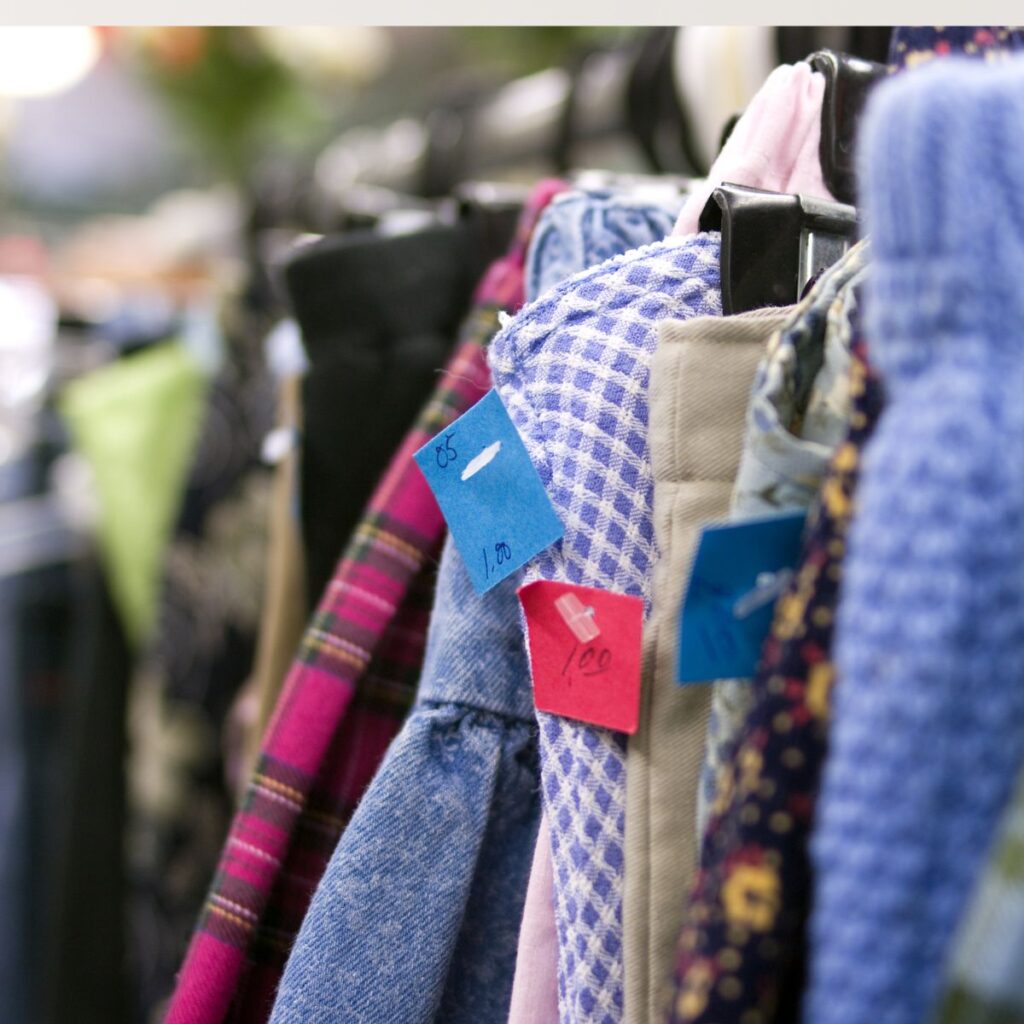
Not Every Item Makes It to the Sales Floor
Many people assume every donated item ends up hanging on a rack waiting for a new owner. In reality, charities sort through large volumes of clothing and keep only items they believe shoppers are likely to buy.
Items with stains, damage, excessive wear, or outdated styles are often removed before they ever reach the sales floor.
Unsold Clothing Doesn’t Stay on the Rack Forever
If an item sits unsold for too long, stores eventually remove it to make room for newer inventory. Thrift stores rely on constant turnover, so shelf space is valuable.
Items that don’t sell may be discounted, bundled, recycled, or moved elsewhere.
Some Clothes End Up in Bargain Bins
Before being removed completely, many unsold items are heavily discounted. These clearance sections give clothing one final opportunity to find a buyer.
Savvy thrift shoppers often search these areas first because some of the best deals can be found there.
A Lot of Donated Clothing Leaves the Country
One of the biggest surprises for many donors is how much clothing gets exported. Bales of secondhand clothing are regularly shipped to countries around the world with resale markets.
This helps move excess inventory, but it also means your donation may travel thousands of miles from where you dropped it off.
Not Everything Exported Gets Reused
While some exported clothing is successfully resold, not all of it finds a buyer. In some regions, secondhand markets receive more clothing than they can absorb.
As a result, some items eventually become waste despite being donated with good intentions.
Fast Fashion Has Changed the Donation System
Many of today’s donated clothes were never designed to last very long. Lower-quality fabrics and construction can make clothing difficult to resell or reuse.
This creates additional challenges for charities trying to extend the life of donated garments.
Some Valuable Donations Never Reach Local Stores
Designer labels, collectibles, vintage clothing, and other high-value items are often identified during sorting. Many organizations sell these items online or through specialty channels where they can generate more revenue.
As a result, some of the best donations never appear on local thrift store racks.
Donations Help Fund Programs
Even if your clothing doesn’t directly go to someone in need, it can still make a difference. Many charities use proceeds from thrift store sales to support shelters, job training programs, food assistance, rehabilitation services, and other community programs.
In many cases, the financial support generated by donations is just as important as the clothing itself.
Donating Is Helpful—But Buying Less Helps Even More
Donating clothing is generally better than throwing it away, but it doesn’t solve the larger problem of textile waste. The biggest challenge isn’t a lack of donations—it’s the enormous amount of clothing being produced, purchased, and discarded every year.
Choosing higher-quality clothing, wearing items longer, repairing what you own, and buying less overall can often have an even bigger impact than donating alone.
Charities Receive More Clothing Than They Can Sell
Most donation centers aren’t struggling to find inventory. In fact, many receive far more clothing than they can realistically process or sell.
The rise of fast fashion and frequent closet cleanouts has created a steady flow of donations that often exceeds local demand.
Clothing Is Carefully Sorted
Donated clothing doesn’t simply go from a donation bin to a store rack. Employees and volunteers spend countless hours sorting, inspecting, categorizing, and pricing items before they are sold.
This process helps determine which items can be resold, recycled, or sent elsewhere.
Some Donations Cost Charities Money
Many people don’t realize that unusable donations can actually create expenses for charities. Clothing that is heavily stained, moldy, damaged, or unsanitary often has to be disposed of at the organization’s expense.
That means not every donation is automatically helpful.