Nobody likes finding bugs inside the house. A few ants on the counter or a spider in the corner might seem harmless, but small pest problems can grow quickly if they’re ignored. Some insects can contaminate food, trigger allergies, or cause damage to parts of your home over time.
The good news is that keeping pests out often comes down to a few simple habits and small home repairs. Most bugs get inside through tiny openings, easy access to food, or areas that provide moisture and shelter.
In this guide, you’ll find 12 simple fixes that can help stop unwanted insects and critters before they become a bigger problem. A little prevention can go a long way toward keeping your home cleaner, more comfortable, and far less inviting to pests.
Seal Cracks and Openings
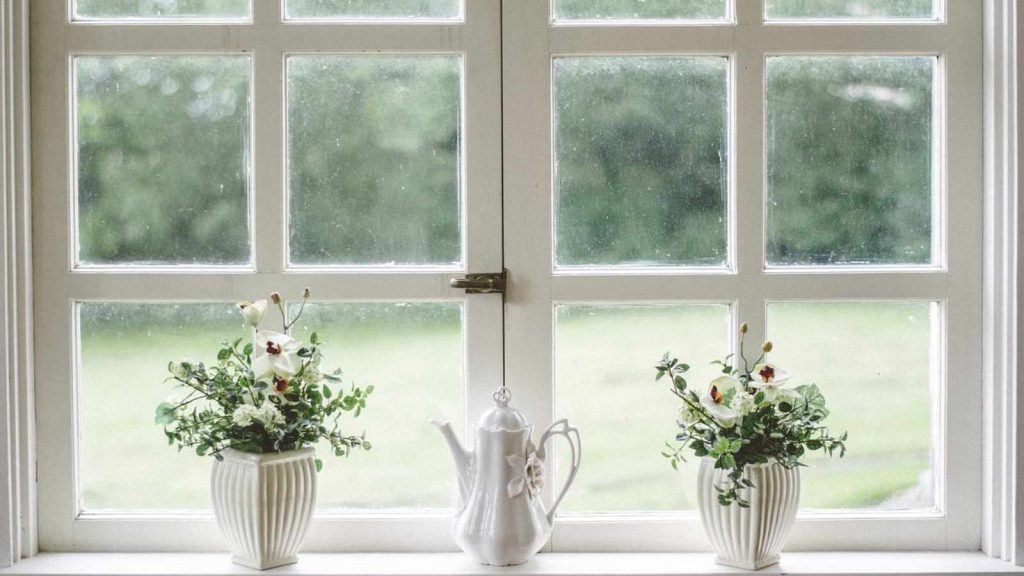
Inspect your home for cracks or openings in walls, foundations, and windows. These gaps serve as entry points for pests looking for shelter. Use caulk or weatherstripping to seal these vulnerabilities effectively.
Maintain a Clean Kitchen

Keeping your kitchen tidy is crucial in preventing bug infestations. Wipe down surfaces regularly, store food in sealed containers, and promptly clean up spills and crumbs. This reduces food sources that attract pests.
Dispose of Trash Regularly
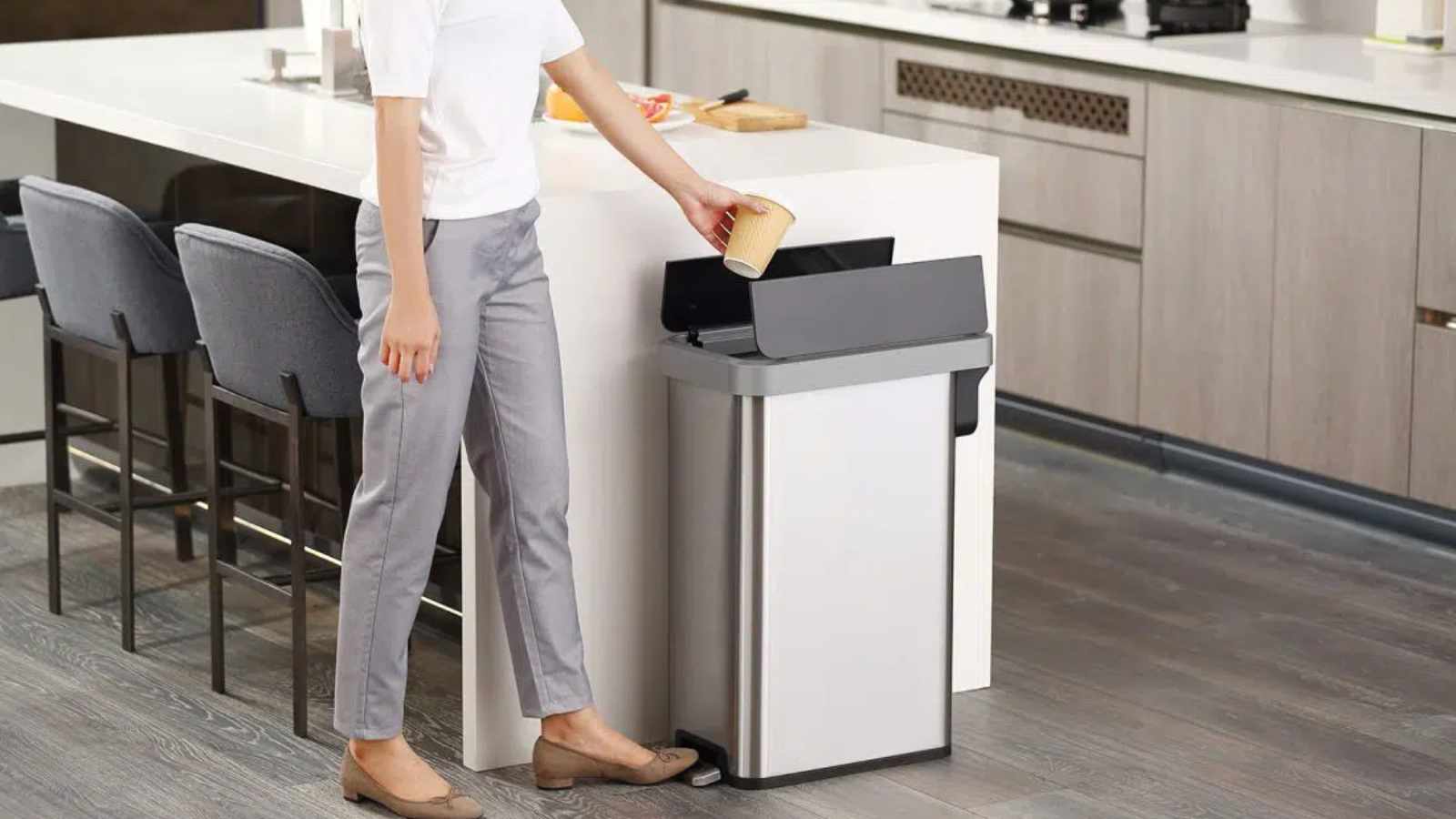
Make it a habit to take out the trash frequently and use bins with tight-fitting lids. Overflowing garbage can attract numerous pests, providing a feast for ants, flies, and rodents. Ensure that your outdoor trash receptacles are secured as well.
Trim Overgrown Vegetation

Plants and shrubs can provide a bridge for pests to reach your home. Regularly trim back overgrown vegetation close to your house, creating a barrier between your home and potential pest habitats.
Install Screens on Windows and Doors
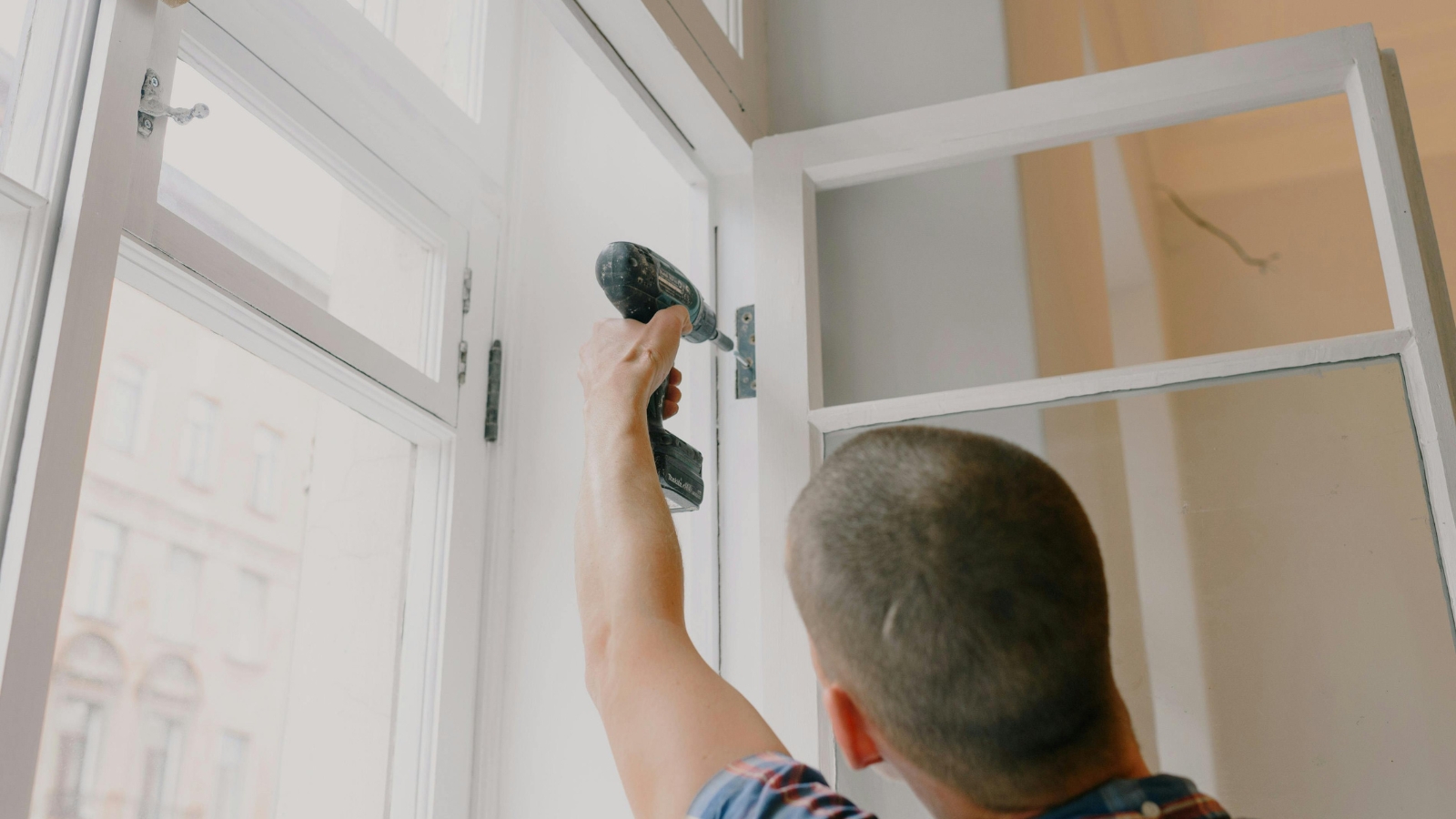
Using screens on windows and doors can effectively keep bugs from entering your home. Make sure to repair any holes or tears in existing screens to maintain their protective function against insects.
Store Firewood Properly
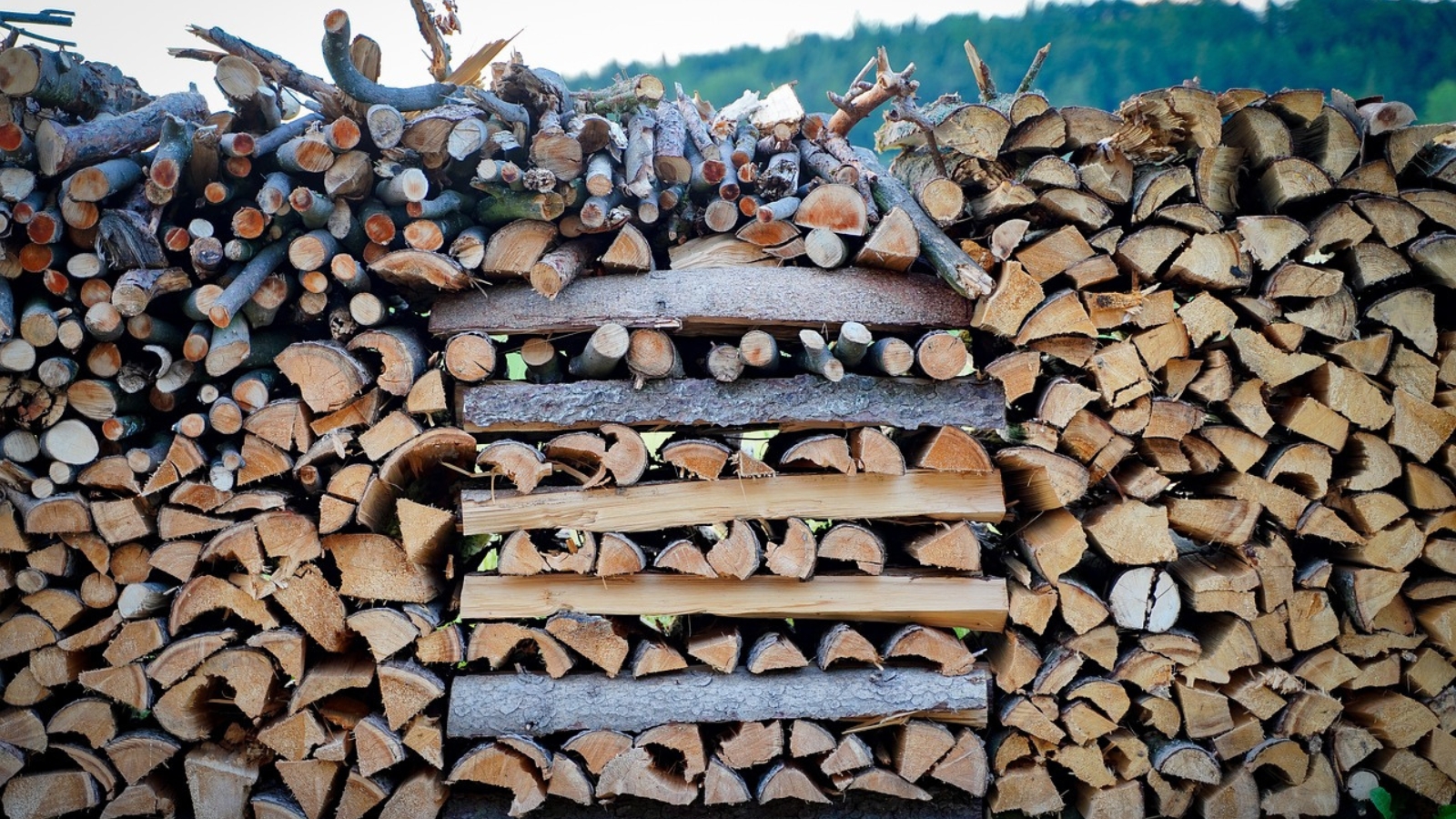
If you use firewood, store it away from your home and off the ground. Keeping wood elevated and covered prevents it from attracting pests like termites or ants that can easily migrate indoors.
Fix Leaks and Moisture Issues
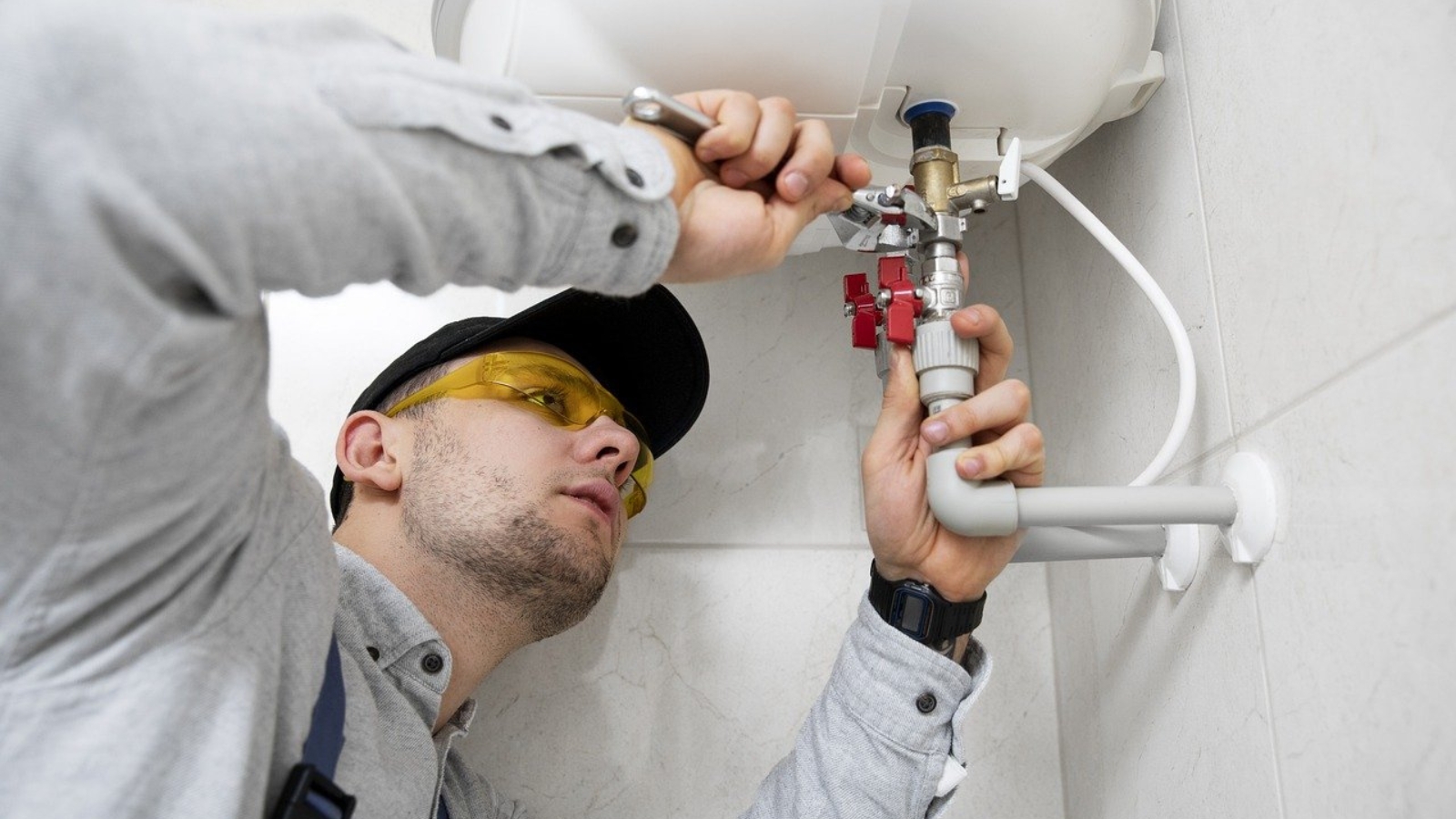
Pests thrive in damp conditions, so addressing leaks under sinks or in basements is essential. Use dehumidifiers or ventilate these areas to reduce moisture, making your home less inviting to bugs.
Avoid Standing Water
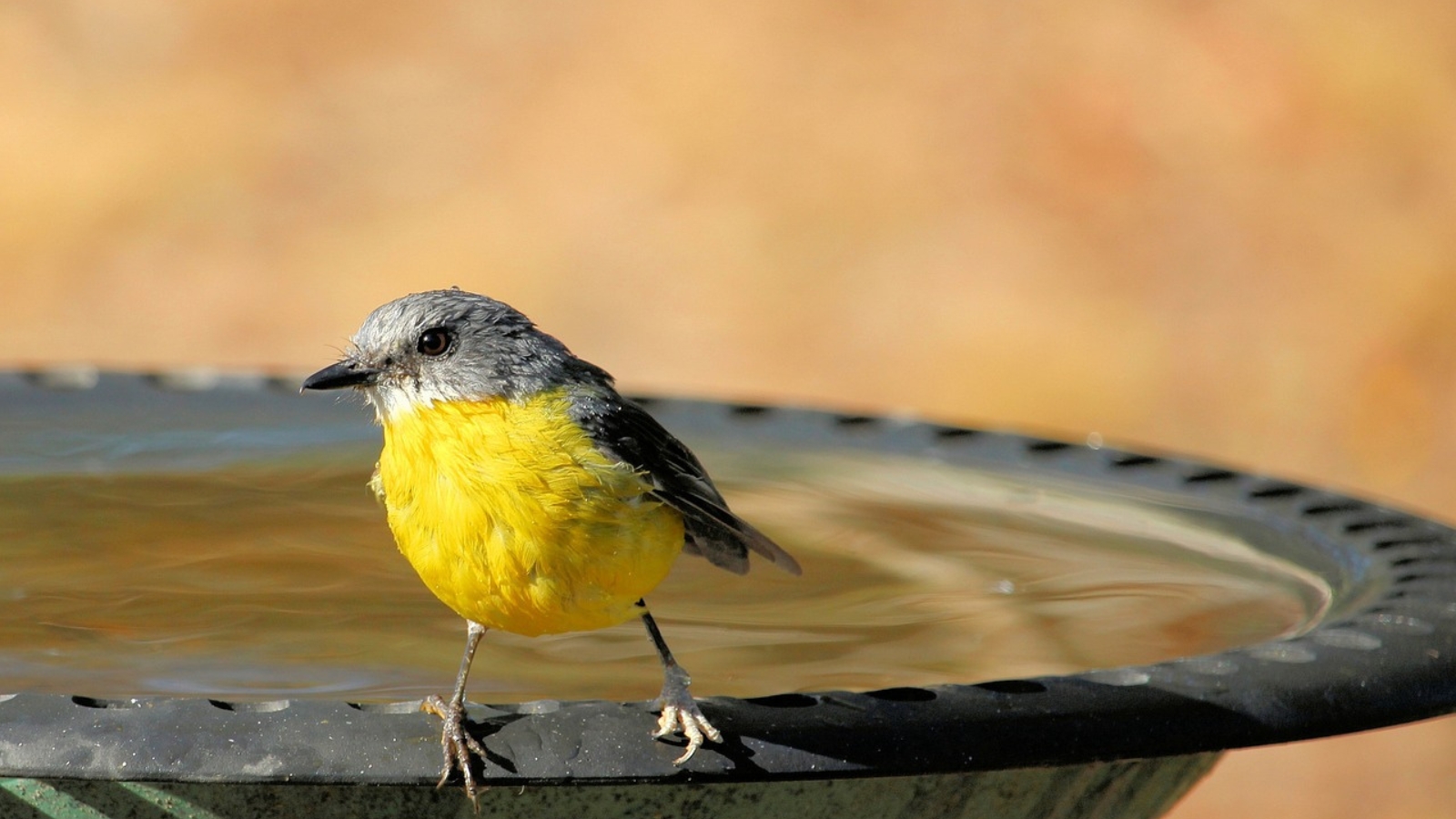
Standing water can become a breeding ground for mosquitoes and other pests. To keep bug populations in check, regularly check for and eliminate stagnant water around your home, such as in plant pots or bird baths.
Use Natural Deterrents

Natural pest repellents like peppermint oil, vinegar, or diatomaceous earth can discourage bugs from settling in. Spraying these substances where pests are frequently seen can help create a barrier against them.
Keep Pet Areas Clean
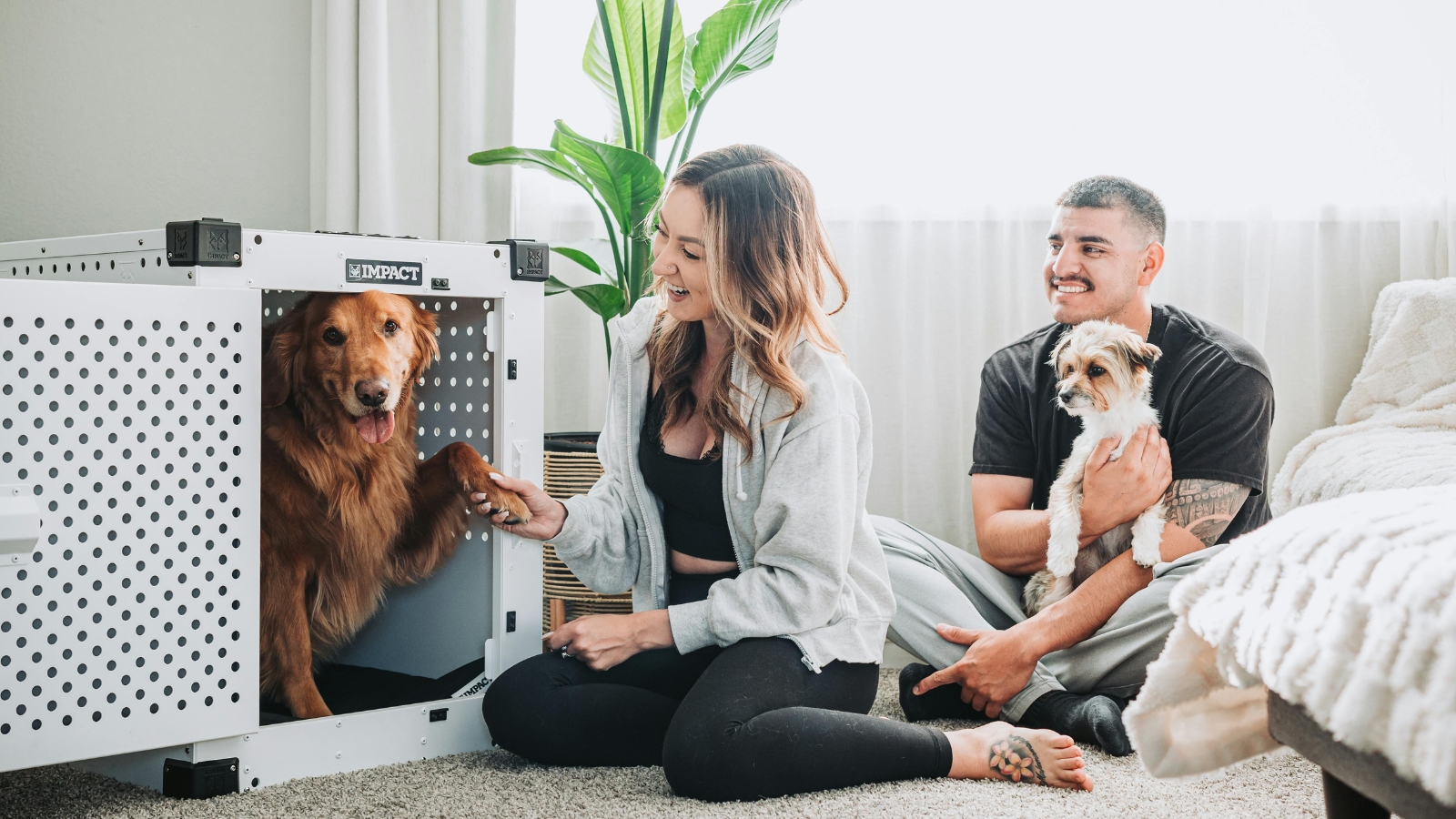
Pet food and bedding can attract pests if not maintained properly. Clean pet areas regularly and store pet food in sealed containers. This reduces the likelihood of attracting unwanted critters to your home.
Inspect Packages Before Bringing Them Inside
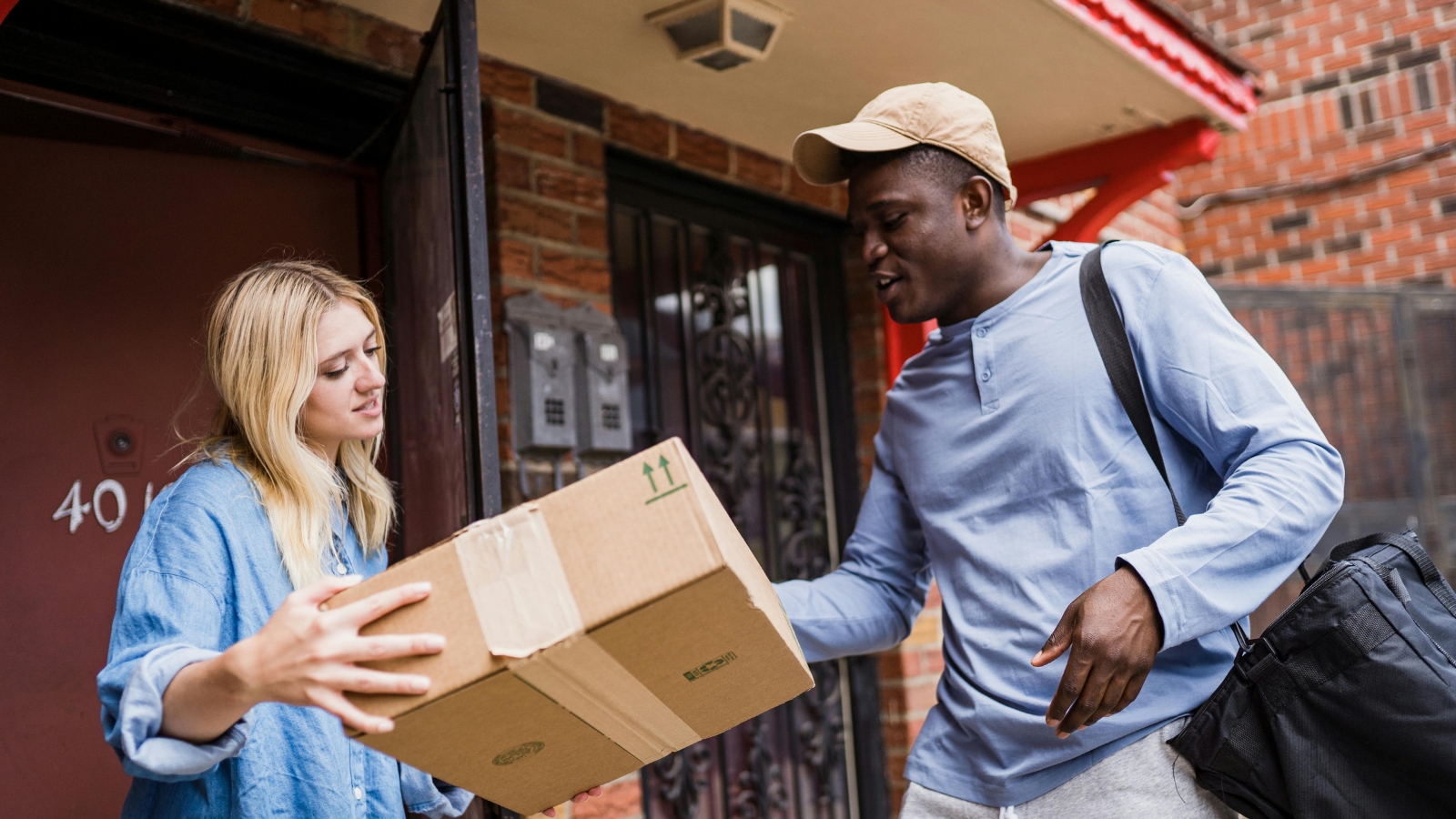
Pests can hitch a ride in boxes and bags, especially when shopping or receiving deliveries. Always inspect packages before bringing them inside to catch any unwanted passengers before they enter your home.
Educate Yourself About Local Pests

Understanding the specific pests common to your area can help you stay on guard. Learn about their habits and seasonal patterns to better prepare your prevention strategies and tackle any issues promptly.