There’s a certain confidence that comes with starting a DIY project. You gather your supplies, clear some space, and figure you have everything you need. Then, halfway through the job, you reach for a tool you barely remember owning—only to realize you got rid of it months ago.
That’s when the supposedly unnecessary tools in your garage suddenly seem pretty useful.
It’s tempting to clear out anything that doesn’t get regular use, especially when storage space is limited. But some tools earn their place simply because they solve very specific problems. Trying to replace them with whatever happens to be nearby can turn a quick project into a frustrating afternoon.
Here are 10 DIY tools that are easy to overlook but worth keeping around.
Tape Measure
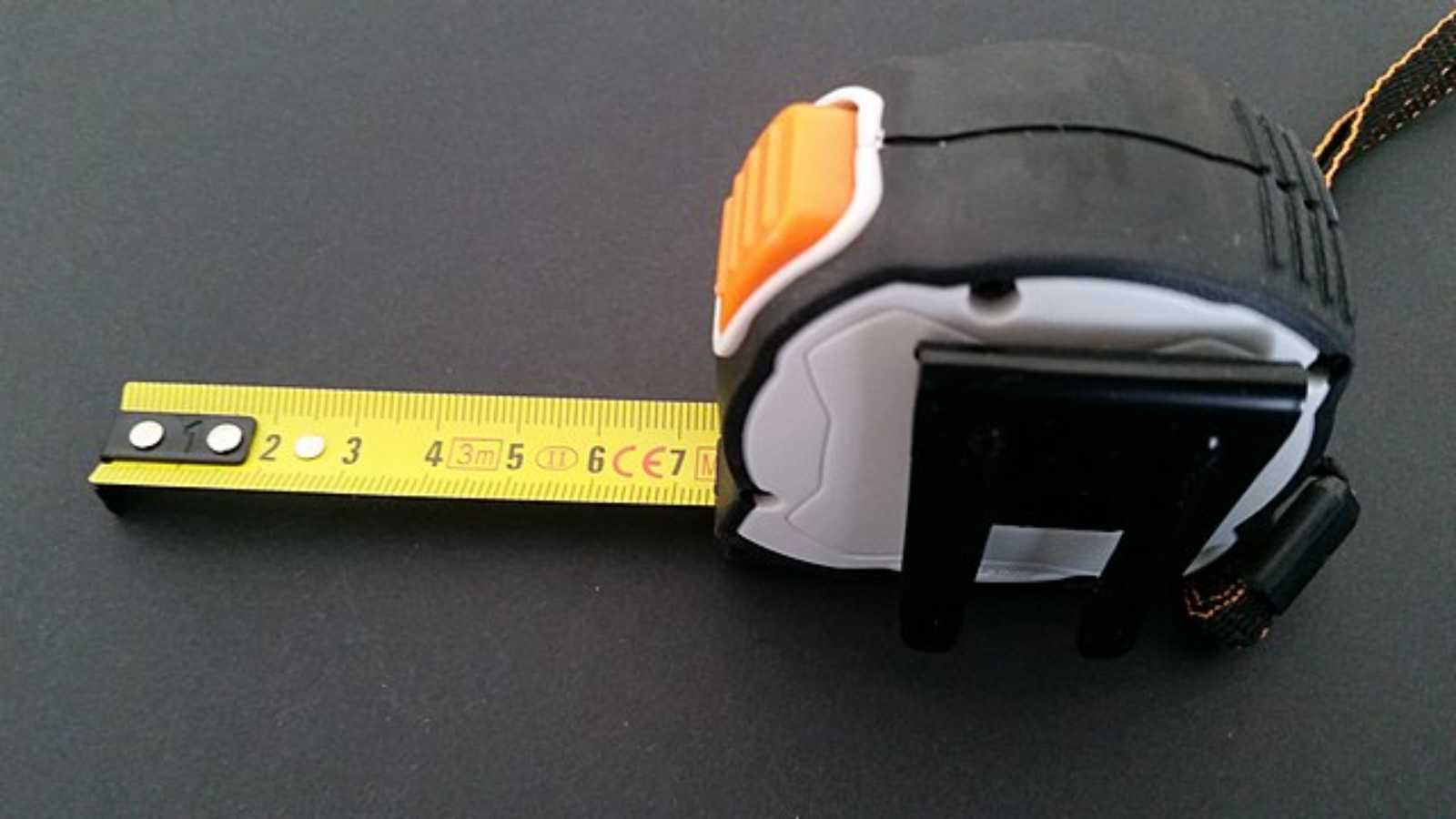
Guessing measurements works until you end up with a shelf that’s slightly too long or curtains that don’t quite reach where they should.
A tape measure takes seconds to use and can prevent a lot of wasted materials. It’s useful for everything from hanging pictures and installing shelves to measuring furniture before bringing it through a doorway.
It also tends to be one of those tools people borrow and forget to return, so having your own tucked away in the toolbox is a smart move.
Related: 15 Genius DIY Hacks for Brilliant Home Fixes
Utility Knife
Scissors can handle plenty of household jobs, but they aren’t a great substitute for a utility knife.
A sharp utility knife makes quick work of cardboard, carpet, vinyl flooring, wallpaper, packaging, and other materials that can be awkward to cut with scissors. Many models also have replaceable blades, so you can keep the tool around for years.
Just use it carefully and keep the blade closed or retracted when it isn’t being used.
Level
A shelf can be off by just a few degrees and still look noticeably crooked once it’s on the wall. The same goes for pictures, cabinets, curtain rods, and other fixtures.
A spirit level gives you a quick way to check whether something is straight before you start drilling holes or tightening hardware.
It may spend most of its time sitting in a drawer, but you’ll be glad it’s there the next time a project needs to be perfectly straight.
Related: Revamp Your Garage: 20 Effortless DIY Garage Organization Tips
Rubber Mallet
A regular hammer isn’t always the right tool for the job. Sometimes you need to tap something into place without leaving dents, scratches, or other marks.
That’s where a rubber mallet comes in.
It can be useful for assembling furniture, fitting flooring pieces, adjusting pavers, or making small corrections where a metal hammer would be too harsh. The softer head gives you more control while reducing the chance of damaging the surface.
Clamps
Clamps are basically an extra pair of hands when you’re working alone.
They can hold boards together while glue dries, keep materials steady while you drill, or prevent pieces from moving while you make a cut. Without clamps, you may find yourself trying to hold everything in place at once, which rarely ends well.
A few different sizes can cover a surprising number of projects. They don’t take up much room, either, especially compared with the frustration of trying to complete a job without them.
Stud Finder
Tapping on a wall and hoping you’ve found a stud isn’t much of a plan when you’re hanging something heavy.
A stud finder helps locate the wooden or metal framing behind drywall, giving you a better idea of where to place hardware. This can be particularly useful for mounting shelves, televisions, cabinets, mirrors, and other heavy items.
Some models also detect electrical wiring or pipes, depending on their features. Always follow the manufacturer’s instructions and use caution before drilling into a wall.
Related: 13 DIY Flooring Tricks That Lead to Major Damage
Allen Wrenches
Furniture manufacturers seem to love hex screws, which is why Allen wrenches have a habit of becoming useful at the most inconvenient times.
Many flat-pack furniture kits include a tiny Allen wrench, but those little tools are easy to lose. Having a complete set means you’re much less likely to end up searching through drawers for the one size you need.
They’re also useful for bicycles, exercise equipment, door hardware, machinery, and other household items that use hex-head fasteners.
A full set takes up very little space, making this one toolbox item that’s easy to justify keeping.
Wire Strippers
Wire strippers have one job, and they do it far better than a kitchen knife or pair of scissors.
If you’re doing approved, basic electrical work, the right wire stripper can remove insulation without damaging the wire underneath. That makes the task cleaner and reduces the temptation to improvise with an unsuitable tool.
Electrical work can be dangerous, so anything involving household wiring should be handled according to local requirements and within your level of training. The National Fire Protection Association reports that electrical distribution and lighting equipment are involved in a substantial share of home fires.
Having the correct tool is a good reason to avoid risky shortcuts.
Caulking Gun
Squeezing a tube of caulk by hand sounds easy until you’re halfway through a project and your fingers are tired.
A caulking gun gives you much better control over the flow of sealant. That makes it easier to create an even bead around windows, sinks, tubs, countertops, trim, and other areas that need sealing.
It also makes larger jobs considerably less tiring. A basic caulking gun costs little and can sit in the garage for months before suddenly becoming one of the most useful things you own.
Related: 10 DIY Tools That Seem Replaceable—Until They’re Gone
Needle-Nose Pliers
Regular pliers are great for gripping and twisting, but they can be too bulky for small jobs.
Needle-nose pliers have long, narrow jaws that can reach into tight spaces and grab small objects. They’re handy for working with wires, retrieving dropped hardware, bending small pieces of metal, and handling items that are difficult to reach with your fingers.
They’re particularly useful during repairs where there isn’t much room to work. You may go months without touching them, but once you need them, there aren’t many good substitutes.
DIY projects don’t always require a garage full of specialized equipment. A relatively small collection of basic tools can handle a surprising number of household repairs and improvements. The trick is knowing which tools are worth keeping before you discover you need one halfway through a project.