
Have you ever spotted a lamp at Goodwill for $20, then found a nearly identical one at another location for just $5? Price differences like that can leave shoppers wondering who sets the tags and why the same types of donations can cost so much more from one store to the next.
A Reddit discussion about Goodwill pricing offered a glimpse into what happens behind the scenes. Pricing guidelines, regional policies, store managers, and the employees who sort donations can all play a part, so there isn’t always one simple explanation for the difference.
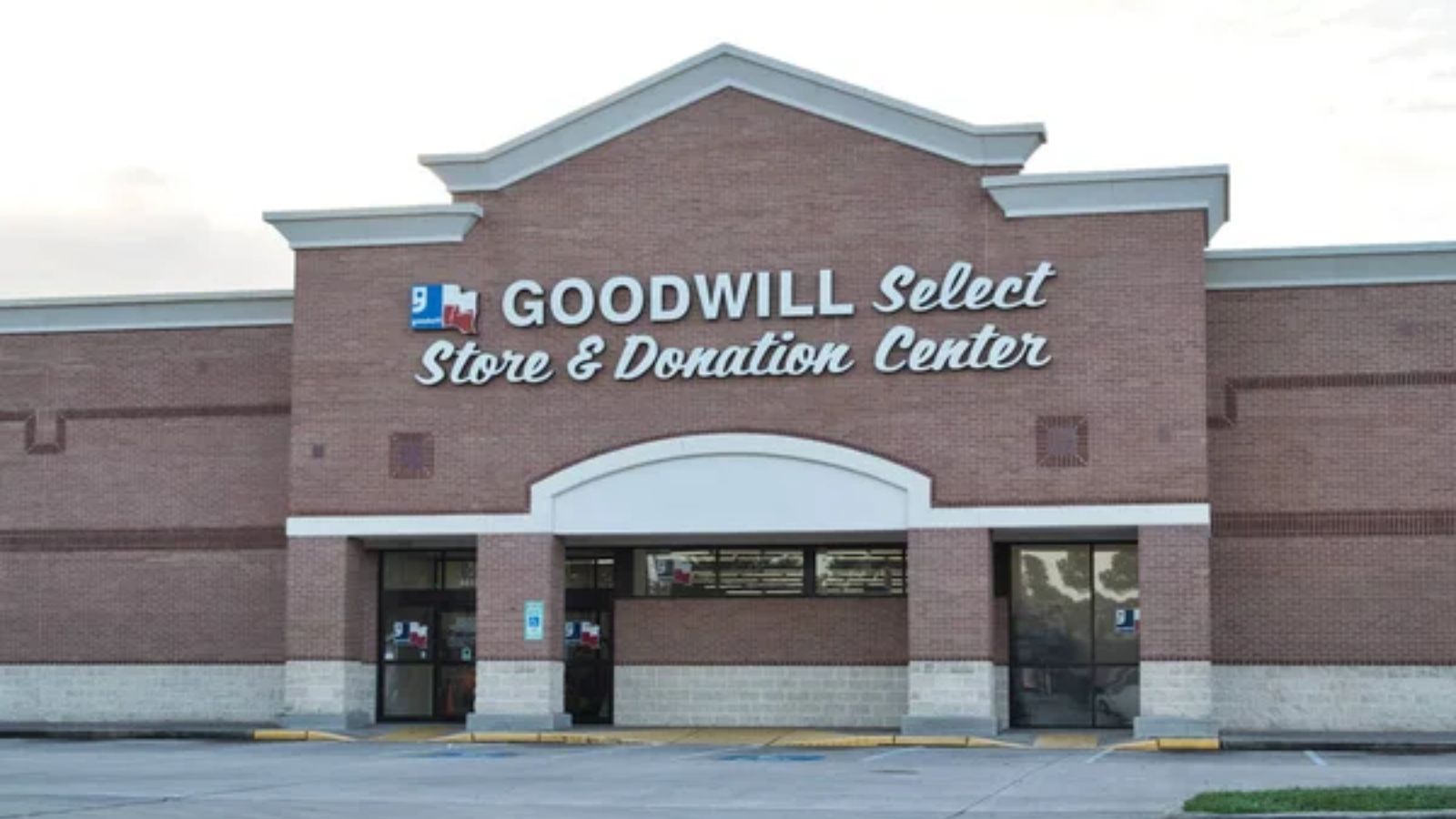
There Isn’t One Person Pricing Everything at Goodwill
Goodwill pricing may involve several levels of decision-making, with regional leadership setting guidelines, store managers overseeing pricing, and employees assigning prices to individual donations. The amount of freedom each employee has depends on the location and the type of merchandise being priced.
Related: Goodwill Used to Be Cheap—Shoppers Say These Prices Tell a Different Story
Pricing Rules Can Vary by Location
Some Goodwill stores use set prices for certain clothing categories, while furniture, housewares, and other donations may be priced with more room for individual judgment. Regional rules and local store practices can lead to different price tags, even on items that look nearly identical.
Related: Before you dig through the Goodwill Bins, a thrifting expert says to bring this
Two Employees Can Price Similar Items Differently
Employees have different levels of experience and may recognize different brands, materials, or collectibles when sorting donations. One worker might spot a sought-after handbag or vintage kitchen item and give it a higher price, while another might price a similar piece as an ordinary secondhand item.
Recognizable Brands May Cost More
Some Goodwill locations use set prices for clothing categories, with higher amounts for certain well-known labels. That can leave two similar pairs of jeans with very different price tags simply because one carries a brand name the store has flagged for a higher price.
Housewares Can Be Especially Unpredictable
The housewares section includes everything from basic coffee mugs and vases to kitchen appliances, vintage cookware, and collectible serving dishes. Since these items vary so much in age, condition, and demand, an ordinary dish may carry a surprisingly high price, while a valuable vintage piece might be overlooked.
Related: Most People Walk Right Past This at Goodwill, but It’s Where I Look First
Employees May Have Hundreds of Items to Price Each Day
Pricing donations can be a high-volume job, and one worker in the Reddit discussion described a store where employees were expected to price hundreds of items in a day. With so much merchandise coming through, there may be little time to research every brand, model, or collectible, which can lead to mistakes and uneven pricing.
Related: 9 Goodwill Finds That Can Turn Into Regrettable Purchases Without These Checks
Why Goodwill Prices Can Be So Hard to Predict
Prices can differ based on the store, regional guidelines, merchandise category, and the employee handling the donation. That can mean finding an item priced higher than expected, but it can also leave room for shoppers to discover overlooked bargains.
Before buying something, check its condition, look up comparable prices, and decide whether the tag makes sense for your budget. A secondhand item isn’t automatically a bargain just because it’s on a Goodwill shelf.