
Reality TV shows have a unique allure. They entertain, surprise, and sometimes shock us by offering glimpses into the lives of others. However, beyond the glitz and glamor, there’s a darker side to reality TV that can impact mental health.
Understanding the potential effects is important for middle-income young women who often find themselves drawn to these programs. Here are 13 ways reality TV can impact your mental well-being and practical tips to mitigate these effects.
Promotes Unrealistic Beauty Standards

Reality TV often features contestants with unattainable body types for the average person. This lack of diversity can reinforce unhealthy beauty standards. The Guardian reports that shows like “Love Island” perpetuate these ideals, leading many viewers to feel dissatisfied with their bodies.
When every cast member looks like they stepped out of a magazine, it’s easy to see why viewers might develop skewed perceptions of what’s normal or attainable.
Increases Feelings of Social Comparison and Inadequacy

Seeing the glamorous lifestyles of reality TV stars can make viewers compare their lives negatively. It’s not just about looks but also about wealth, status, and relationships.
When you see someone jetting off to exotic locations or living in a luxurious mansion, it’s natural to feel a twinge of jealousy or inadequacy. This phenomenon, social comparison, can lead to shame and low self-esteem.
Normalizes Toxic Behaviors and Relationships

Reality TV often depicts manipulative, aggressive, or dysfunctional relationship dynamics. Shows like “The Bachelor” and “Real Housewives” can make toxic behaviors seem normal or even desirable.
Over time, regular viewers might start accepting these behaviors in their lives or relationships. This normalization can skew perceptions of what constitutes healthy interactions and relationships.
Triggers Addictive Viewing Patterns
The drama and emotional intensity of reality TV can be addictive. Just like other forms of addictive behavior, watching reality TV can trigger dopamine release, making viewers crave more.
According to a study by Central Michigan University, this craving for drama can develop into addictive viewing patterns, impacting daily life and responsibilities.
Elevates Stress and Anxiety Levels
The manufactured drama and conflict on many reality shows can elevate viewers’ stress and anxiety levels. Watching intense arguments or emotionally charged situations can trigger similar feelings in the viewer.
Over time, this can contribute to chronic stress and anxiety, affecting overall mental health.
Negatively Impacts Self-Esteem

Constant exposure to idealized bodies and lifestyles on reality TV can erode viewers’ self-esteem. When viewers constantly see people who seem to have it all—perfect looks, wealth, and relationships—it’s easy to feel less confident about oneself. This ongoing comparison can take a toll on self-worth and overall mental well-being.
Promotes Materialism and Status-Seeking

Many reality shows glorify wealth, luxury, and status-seeking behaviors. Programs like “Keeping Up with the Kardashians” highlight a lifestyle of excess, shifting viewers’ values and priorities.
This focus on materialism can lead to a culture where worth is measured by possessions and outward appearances rather than personal qualities and achievements.
Increases Aggressive Tendencies

Studies have found that viewers, especially younger ones, may exhibit more aggressive behaviors after watching reality TV. Shows that feature verbal or relational aggression can make these behaviors seem acceptable.
According to researchers from the University of Michigan, exposure to such content can increase viewers’ likelihood of mimicking these aggressive behaviors.
Distorts Perceptions of Reality
Heavy reality TV viewing can blur the lines between scripted drama and actual reality. For some viewers, especially children and teens, distinguishing between real and manufactured can become challenging.
This distortion can affect how they perceive their lives and relationships, leading to unrealistic expectations.
Triggers Mental Health Issues in Participants

It’s not just viewers who are affected; reality show participants often face significant psychological stress during and after filming. The pressure to perform, the scrutiny from the public, and the manufactured drama can all take a toll.
Many contestants report experiencing anxiety, depression, and other mental health issues long after the cameras stop rolling.
Reinforces Stereotypes and Prejudices

Many reality shows rely on stereotypical portrayals of gender, race, and other identities. These depictions can reinforce viewers’ biases and contribute to a narrow understanding of the world.
Shows perpetuating stereotypes can harmfully shape viewers’ attitudes and beliefs, leading to prejudice and discrimination.
Provides Unhealthy Escapism
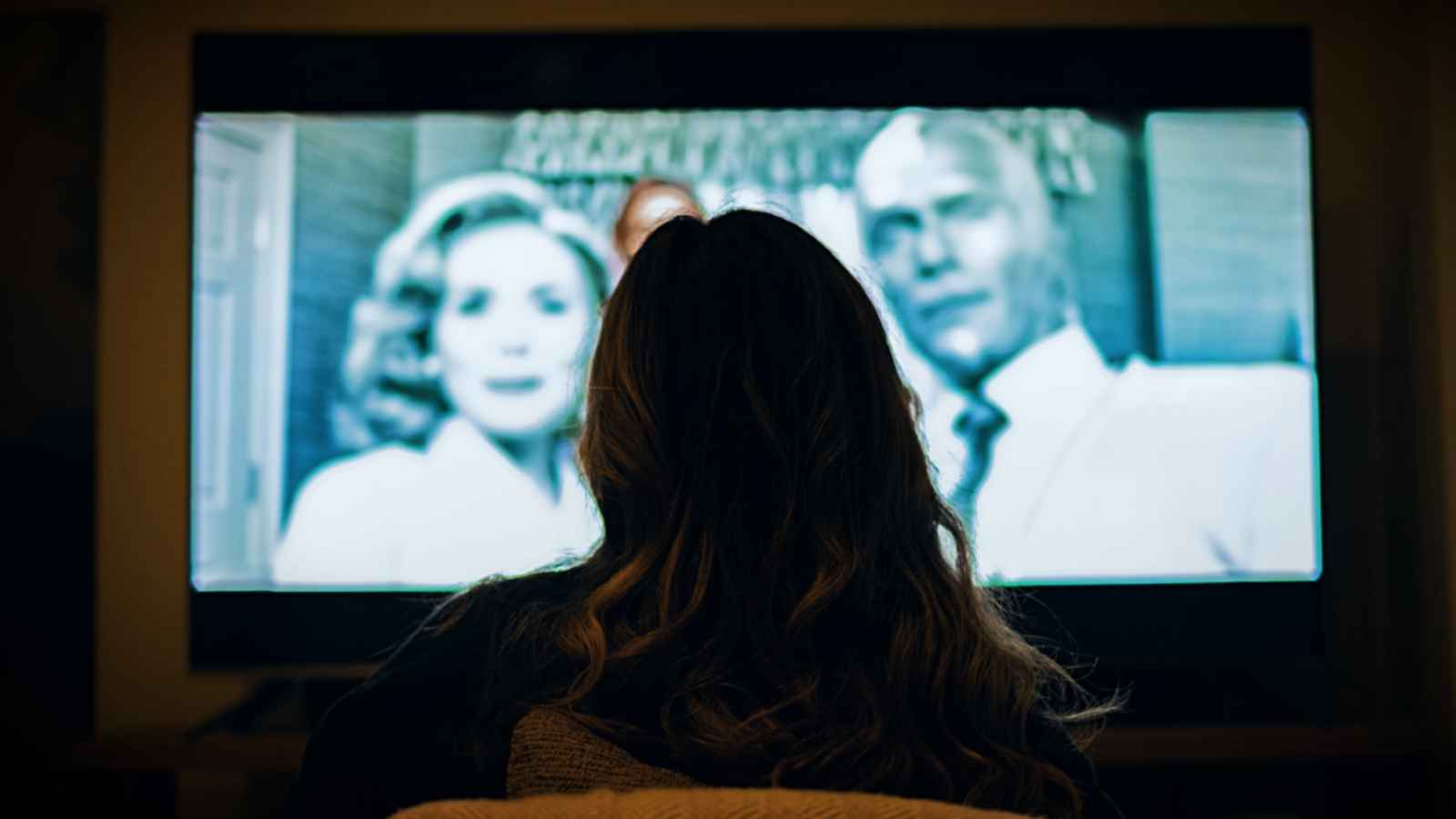
While reality TV can offer an entertaining distraction, it may also promote unhealthy escapism. For some viewers, getting lost in the drama of these shows can be a way to avoid dealing with real-life problems. While escapism isn’t inherently bad, relying on it too heavily can prevent individuals from addressing important issues in their own lives.
Fuels Body Image Issues and Anxiety

Have you ever noticed how most contestants on dating shows have chiseled bodies and flawless skin? Research has shown that these idealized portrayals can lead to body anxiety and negative self-image, especially among young viewers.
According to a survey by the Mental Health Foundation, nearly 24% of 18-24-year-olds reported that reality TV makes them worry about their body image. This constant exposure can elevate feelings of inadequacy and anxiety.