
A trip to a new destination is exciting, but every place comes with its own set of risks. Some locations are known for breathtaking scenery or famous landmarks, yet they also present serious dangers that travelers shouldn’t ignore. Those dangers can range from harsh weather and dangerous wildlife to political unrest and high crime.
Doing your homework before booking a trip can make a big difference. Knowing what challenges you might face allows you to prepare, avoid unnecessary risks, and make smarter decisions while traveling. These are 20 destinations where extra caution is always a good idea.
Mount Everest, Nepal
Standing on the world’s highest peak is a dream for many climbers, but reaching the summit comes with serious risks. The thin air at high elevations can cause altitude sickness, while sudden storms and freezing temperatures can quickly turn dangerous. Avalanches, falling ice, and deep crevasses make every climb a major undertaking, even for experienced mountaineers.
Related Article: 17 Cheapest Places to Travel in 2026
The Amazon Rainforest, Brazil
The Amazon is one of the most fascinating places on Earth, but it’s also one of the easiest places to get into trouble without proper preparation. Dense vegetation makes it easy to lose your way, and the rainforest is home to venomous snakes, jaguars, insects, and countless other wild animals. The hot, humid climate can also make travel physically demanding.
Syria
Years of conflict have made Syria one of the least suitable destinations for tourism. Active conflict zones, damaged infrastructure, and ongoing security concerns create serious risks for visitors. Many governments continue to advise their citizens against traveling there.
Cape Town, South Africa
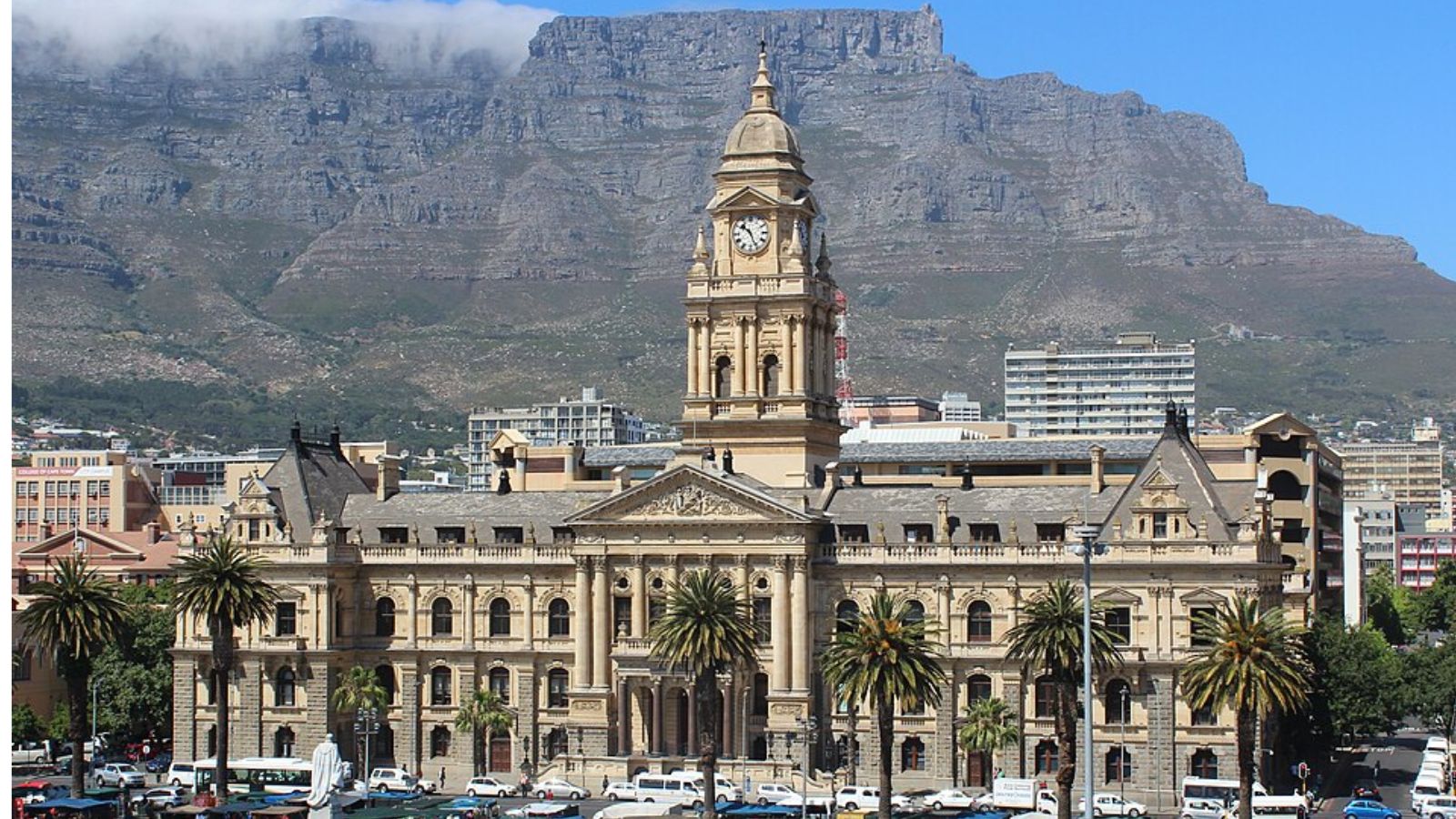
Cape Town attracts visitors with its beautiful coastline, mountains, and rich culture, but some neighborhoods struggle with high crime rates. Robbery, vehicle theft, and muggings are concerns, particularly after dark or in unfamiliar areas. Staying in well-populated locations and remaining aware of your surroundings can reduce many of these risks.
Related Article: 16 Travel Mistakes That Will Ruin Your Vacation
Afghanistan
Afghanistan has faced decades of conflict, leaving many parts of the country unsafe for travelers. Security conditions can change with little warning, and threats such as terrorism, armed conflict, and kidnapping remain major concerns. Most countries strongly discourage all nonessential travel.
Caracas, Venezuela
Caracas has long struggled with economic instability and violent crime. Tourists can become targets for theft, armed robbery, and other criminal activity. Anyone visiting should stay informed about local conditions, avoid displaying valuables, and exercise caution throughout their trip.
North Korea
North Korea offers a travel experience unlike anywhere else, but it comes with strict rules that visitors must follow at all times. Foreign tourists are closely monitored, and even minor violations of local laws can lead to severe penalties. Anyone considering a visit should carefully review all travel requirements before arriving.
Madidi National Park, Bolivia
Madidi National Park is famous for its remarkable wildlife and untouched wilderness. While its natural beauty attracts adventurous travelers, its remote location can create challenges. Dangerous animals, thick jungle, and limited access to emergency services mean visitors should never explore the park without experienced guides.
Related Article: 17 Incredible Train Trips Worth Taking at Least Once
Nigeria
Nigeria offers vibrant cities, beautiful landscapes, and a rich cultural history, but some regions continue to experience security concerns. Armed robbery, kidnapping, and civil unrest have affected parts of the country. Travelers should check current travel advisories and avoid areas with ongoing security issues.
Death Valley, California
Death Valley is famous for its dramatic desert scenery and record-breaking heat. Summer temperatures regularly climb high enough to create life-threatening conditions for anyone who isn’t prepared. Carrying plenty of water, avoiding strenuous activity during the hottest part of the day, and staying on marked roads are all important safety measures.
Lake Natron, Tanzania
Lake Natron is one of Tanzania’s most unusual natural attractions. Its striking red and orange waters are created by high mineral levels, but those same minerals make the lake extremely alkaline. The water can irritate skin and eyes, and the intense heat adds another challenge. It’s a fascinating place to photograph, but it’s best enjoyed from a safe distance.
Snake Island, Brazil
Ilha da Queimada Grande, better known as Snake Island, is one of the few places in the world where people are not allowed to visit freely. The island is home to thousands of golden lancehead vipers, one of the world’s most venomous snakes. Because of the danger, public access is prohibited, and only authorized researchers are occasionally permitted to go ashore.
Danakil Desert, Ethiopia
The Danakil Desert is famous for its colorful hot springs, active volcanoes, and salt flats. It is also one of the hottest places on Earth, with extreme daytime temperatures that can make travel exhausting. Volcanic activity, toxic gases in some areas, and the remote location mean visitors should only explore the region with experienced guides.
Pakistan
Pakistan offers spectacular mountain scenery, ancient forts, and welcoming hospitality across much of the country. Still, some regions experience political instability and security concerns. Travelers should research their destination carefully, follow current travel advisories, and avoid areas where tensions remain high.
Mount Washington, New Hampshire
Mount Washington may not be the tallest mountain in North America, but it has earned a reputation for some of the world’s most unpredictable weather. Calm skies can quickly give way to heavy winds, freezing temperatures, and dense fog. Hikers should check weather forecasts before setting out and carry proper gear for sudden changes in conditions.
Half Dome, California
Half Dome is one of the most recognizable landmarks in Yosemite National Park, attracting thousands of hikers each year. The hike is long and physically demanding, and the final cable section requires careful footing. Wet rock, steep drop-offs, and afternoon thunderstorms can quickly make the climb much more dangerous, making preparation and good judgment essential.
Ukraine
Ukraine is home to historic cities, beautiful countryside, and a rich cultural heritage. Ongoing conflict has made many parts of the country unsafe for travel, particularly in active combat zones. Anyone planning a visit should closely monitor official travel advisories and avoid affected regions.
Democratic Republic of the Congo
The Democratic Republic of the Congo is known for its rainforests, mountain gorillas, and remarkable wildlife. At the same time, armed conflict, limited infrastructure, and political instability continue to affect many parts of the country. Travelers who visit should plan carefully and remain aware of local security conditions throughout their stay.
Guatemala
Guatemala attracts visitors with its ancient Mayan ruins, volcanoes, colorful markets, and beautiful lakes. While many popular tourist destinations are welcoming, crime remains a concern in some cities and neighborhoods. Staying alert, avoiding isolated areas after dark, and following local advice can help reduce risks.
Yemen
Yemen is rich in history, unique architecture, and dramatic landscapes, but years of armed conflict and a humanitarian crisis have made it one of the most difficult places in the world to visit safely. Security conditions remain highly unstable, and most governments strongly advise against travel to the country.