The 1970s are often remembered as one of television’s greatest decades for sitcoms. More than 100 new comedies premiered during those ten years, giving viewers everything from family-centered laughs to workplace humor and sharp social satire. While shows like All in the Family and The Mary Tyler Moore Show became household names, plenty of other sitcoms also found loyal audiences before gradually fading from public memory.
Some of these series broke new ground, while others simply entertained millions for a few seasons before disappearing from rerun schedules. Here are 15 sitcoms from the ’70s that deserve another look.
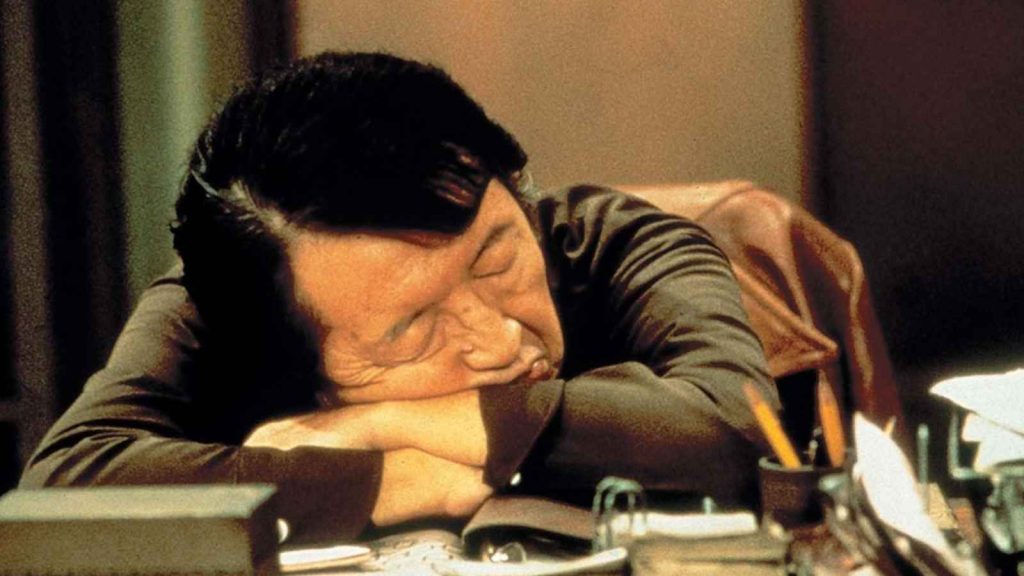
Jack Soo in Barney Miller (1975)
“What’s Happening!!” (1976–1979)
This ABC comedy followed three teenage friends, Raj, Dwayne, and Rerun, as they dealt with school, family, and everyday life in Los Angeles. The show’s easygoing humor and memorable cast made it a favorite with viewers during its three-season run.
While critics praised its likable characters, some felt the stories became repetitive over time. Even so, the sitcom remained popular enough to return with the sequel series What’s Happening Now!! during the 1980s.
Related Article: 10 Movie Villains Who Made Surprisingly Good Points
“Barney Miller” (1975–1982)
Set inside a New York City police precinct, Barney Miller mixed dry humor with thoughtful stories about crime, politics, and everyday life. Hal Linden starred as the calm and patient Captain Barney Miller, surrounded by an unforgettable group of detectives.
Critics regularly praised the show’s writing, and it earned several Emmy Awards, including Outstanding Comedy Series in 1982. While it isn’t discussed as often today as some of its contemporaries, it remains one of the smartest sitcoms of its era.
“Chico and the Man” (1974–1978)
Jack Albertson and Freddie Prinze starred as an unlikely pair running a neighborhood garage. Ed Brown was stubborn and old-fashioned, while Chico Rodriguez brought youthful energy and optimism, creating a friendship that became the heart of the series.
The show ranked among television’s biggest hits during its first two seasons. After Freddie Prinze’s tragic death in 1977, the series struggled to recover and ended the following year.
Related Article: 12 Movie Relationship Fights That Left Us Torn
“Temperatures Rising” (1972–1974)
This hospital comedy focused on an unusual group of doctors, nurses, and staff members. Paul Lynde headlined the original version before the producers repeatedly reworked the cast and format in an effort to improve ratings.
Those frequent changes made it difficult for the show to establish its own identity. Viewership steadily declined, and the sitcom ended after two seasons.
“Maude” (1972–1978)
Bea Arthur starred as Maude Findlay, an outspoken suburban woman who never hesitated to speak her mind. The sitcom tackled subjects that many television series avoided at the time, including women’s rights, civil rights, and ab*rtion.
The series earned critical praise throughout its run, and Bea Arthur won a Golden Globe in 1977. While Maude made a lasting impact on television, it isn’t remembered as often as many other sitcoms from the decade.
Related Article: 12 Movie Relationship Arguments That Had Everyone Picking Sides
“Sanford and Son” (1972–1977)
Set in a Los Angeles junkyard, Sanford and Son followed Fred Sanford and his son Lamont as they argued, joked, and worked together running their salvage business.
The sitcom became one of NBC’s biggest hits, with its second season finishing as the second-highest-rated show in the country. Redd Foxx also earned a Golden Globe for his performance, helping make the series one of the decade’s biggest successes.
“Welcome Back, Kotter” (1975–1979)
Gabe Kotter returned to his old Brooklyn high school as a teacher, where he found himself leading a class of wisecracking students known as the Sweathogs.
The series became a cultural hit thanks to its memorable catchphrases and the breakout popularity of John Travolta. Ratings eventually slipped after Travolta reduced his role to focus on his movie career, but the show remains a snapshot of mid-’70s television.
Related Article: 12 Movie Characters That Were Meant to Be Unlikable—and Succeeded
“The Bob Newhart Show” (1972–1978)
Bob Newhart played Chicago psychologist Dr. Robert Hartley, whose calm personality contrasted perfectly with the eccentric patients and coworkers around him.
The sitcom built its reputation on clever dialogue instead of loud punchlines. Critics praised its realistic portrayal of married life and Newhart’s signature deadpan style, making it one of television’s most respected comedies.
“The Jeffersons” (1975–1985)
Spinning off from All in the Family, this sitcom followed George and Louise Jefferson after they moved into a luxury apartment in Manhattan following the growth of George’s dry-cleaning business.
The show broke barriers by focusing on a wealthy Black family and remained on the air for 11 seasons. It earned numerous Emmy nominations and left a lasting mark on television history, even if it doesn’t receive as much attention today.
“Good Times” (1974–1979)
Good Times centered on the Evans family as they faced the everyday challenges of life in Chicago’s Cabrini-Green housing project. The series balanced humor with stories about financial hardship, family relationships, and racial inequality.
As the show continued, more attention shifted toward J.J.’s larger-than-life personality and his famous “Dy-no-mite!” catchphrase. Some critics felt that change pulled attention away from the show’s earlier social themes.
“Me and the Chimp” (1972)
Created by Garry Marshall, this short-lived sitcom starred Ted Bessell as a dentist whose family adopted a mischievous chimpanzee named Buttons.
The unusual premise never connected with a large audience, and the show ended after just 13 episodes. Today, it’s one of the more obscure sitcoms of the decade.
“One Day at a Time” (1975–1984)
Bonnie Franklin starred as Ann Romano, a divorced mother raising two teenage daughters while rebuilding her life on her own.
The sitcom addressed topics like addiction, teen pregnancy, and su*cide while keeping its focus on family relationships. Its honest storytelling made it stand out during its original run, though it has become less familiar to modern audiences.
“Soap” (1977–1981)
Soap poked fun at daytime soap operas with outrageous storylines, cliffhangers, and eccentric characters from the Tate and Campbell families.
Its humor and controversial subjects sparked protests before the series even premiered, leading some stations to refuse to air it. Despite the controversy, many critics praised its originality, and TV Guide later ranked it among television’s greatest shows.
“Three’s Company” (1977–1984)
John Ritter, Joyce DeWitt, and Suzanne Somers starred in this hit comedy about three roommates whose living arrangement depended on a simple misunderstanding.
The series ranked among television’s highest-rated programs during its peak years and attracted millions of viewers each week. Changes behind the scenes, including Suzanne Somers’ contract dispute, affected the cast dynamic, but the show remains one of the decade’s defining sitcoms.
“Bridget Loves Bernie” (1972–1973)
This CBS sitcom followed newlyweds Bridget, an Irish Catholic schoolteacher, and Bernie, a Jewish taxi driver, as they adjusted to married life while balancing very different family traditions.
The show finished as the fifth most-watched program during the 1972–73 television season. Still, protests from religious organizations over its portrayal of an interfaith marriage created enough controversy that CBS canceled the series after just one season, despite its strong ratings.