Baking soda is one of those inexpensive household staples that seems to have a use for almost everything. Most people reach for it when baking or cleaning, but it can also come in handy for a few outdoor jobs.
Gardeners have used baking soda in homemade sprays, cleaning mixtures, and pest-control experiments for years. Some uses are helpful, while others need a little caution. Baking soda contains sodium, so adding too much to soil can damage plants rather than help them.
Here are 16 ways you can put baking soda to work around the garden, along with a few things to keep in mind before you start sprinkling it everywhere.
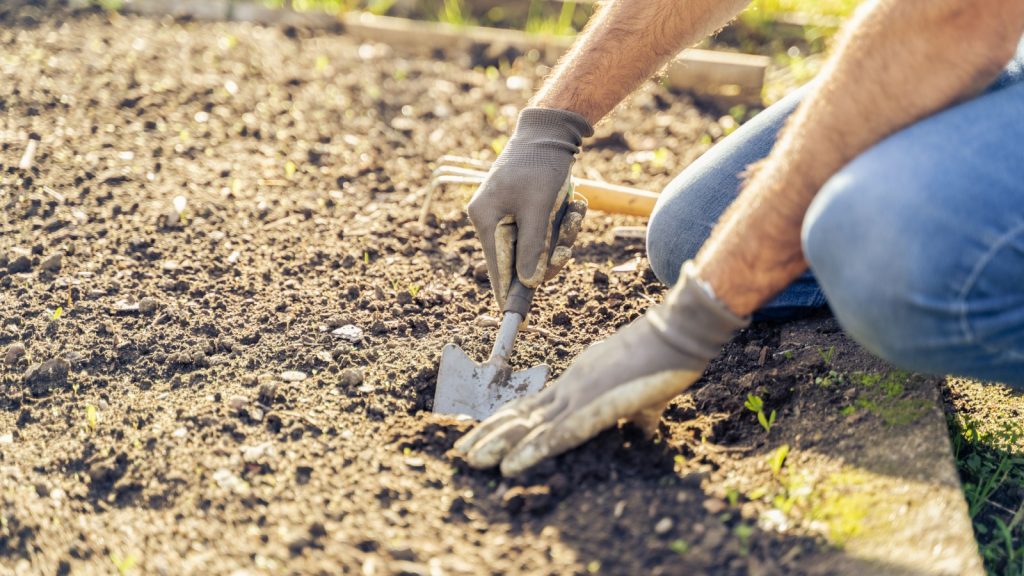
Test and Adjust Acidic Soil
Baking soda is alkaline, so it can raise soil pH. This may sound like an easy fix for acidic soil, but it isn’t something to add blindly.
Start with a soil test to find out your current pH. If your soil really is too acidic, garden lime is usually a better choice for making a lasting pH adjustment.
If you’re curious about plants that actually prefer acidic conditions, check out these 15 vegetables that thrive in acidic soil.
Help Manage Powdery Mildew
Powdery mildew appears as a white, powdery coating on leaves and stems. Baking soda is sometimes used in homemade sprays because it can make the leaf surface less favorable for fungal growth.
A common homemade mixture uses a small amount of baking soda mixed with water and a few drops of mild liquid soap. Test the spray on a small section of the plant first and wait to see how it reacts before treating the entire plant.
Avoid spraying during the hottest part of the day, since wet foliage combined with strong sunlight can cause leaf damage.
Discourage Slugs and Snails
Slugs and snails can turn healthy seedlings into ragged little plants overnight. Baking soda is sometimes sprinkled around affected areas as a homemade deterrent.
If you try this method, use only a small amount and keep it away from the plant itself. Baking soda contains sodium, and repeated applications can build up in the soil.
For a serious slug problem, hand-picking, barriers, traps, and other garden-safe control methods may give you better results.
Skip Baking Soda as a Regular Fertilizer
You may see claims that baking soda works as a natural fertilizer because it contains sodium. That doesn’t make it a good source of plant nutrition.
According to SheriKisaan.com, baking soda has been discussed for several agricultural and gardening uses. Still, it shouldn’t replace a proper fertilizer.
Too much sodium can interfere with plant growth and soil quality. If your plants need nutrients, use compost or a fertilizer suited to the crop rather than relying on baking soda.
Clean Garden Tools
Garden tools collect soil, sap, plant residue, and other grime after repeated use. Baking soda can make a useful gentle scrub for dirty tools.
Make a paste with baking soda and a little water, then use a brush or cloth to work it over the dirty areas. Rinse the tool and dry it thoroughly afterward.
For routine tool care, the Northern Gardener also recommends cleaning tools regularly to keep them in good condition.
Don’t mix baking soda and vinegar in the same container expecting a stronger cleaner. The two react with each other and largely cancel out.
Freshen a Compost Bin
A compost bin can develop an unpleasant smell, especially if it contains too many wet food scraps or isn’t getting enough air.
A light sprinkle of baking soda can help with odors, but it shouldn’t be your main solution. Too much baking soda can alter the conditions inside your compost.
If your compost smells rotten, add dry materials such as shredded cardboard, dry leaves, or straw and turn the pile to improve airflow.
Keep Cut Flowers Looking Fresh
Baking soda is sometimes suggested as an additive for vase water, but it isn’t a reliable way to keep cut flowers fresh.
Clean water, a clean vase, regular water changes, and trimming the stems are much more useful. Commercial flower food is another option if you want to keep bouquets fresh for longer.
If you do experiment with baking soda, use only a tiny amount and watch the flowers for any changes. Too much can alter the water chemistry and damage delicate stems.
Remove Weeds From Cracks and Pavers
Baking soda can be useful for weeds growing in places where you don’t want vegetation at all, such as cracks between paving stones or along a driveway.
Apply a small amount directly to the weed rather than spreading it across garden beds. Baking soda isn’t selective, so it can also harm plants you want to keep.
For weeds growing close to flowers or vegetables, hand-pulling or another targeted method is usually a better choice.
Read more about garden plants that can be poisonous to kids and pets.
Help Prepare Seed-Bed Soil
Baking soda isn’t a seed-germination booster, so adding it to the soil isn’t a guaranteed way to get seeds growing faster.
Good seed germination depends on factors such as moisture, temperature, light, planting depth, and suitable soil.
If you’re starting plants from seed, focus on those conditions rather than adding baking soda. For more ideas, see these 12 medicinal plants you can easily grow in your garden.
Check Tomato Soil pH
Tomatoes grow well in slightly acidic soil, so adding baking soda just because you want to change the soil isn’t a good idea.
If you’re having trouble with your tomato plants, test the soil before making any changes. A soil test can tell you whether the pH is actually outside the preferred range and whether nutrients are missing.
For more help with growing tomatoes, check out these 10 common mistakes when growing tomatoes in containers.
If your soil needs a pH adjustment, use a product recommended for that purpose rather than guessing with kitchen ingredients.
Discourage Ants
Ants can become a nuisance around garden beds, particularly when they’re attracted to food sources or honeydew produced by aphids.
Baking soda is sometimes used as a homemade ant deterrent, but results can be inconsistent. A more useful step is figuring out why the ants are there in the first place.
Check plants for aphids and other sap-feeding insects, clean up spilled food around outdoor entertaining areas, and remove obvious nesting spots when practical.
If you’re dealing with plants that attract unwanted pests, these 14 garden plants that can cause breathing problems for allergic individuals are also worth knowing about.
Clean a Bird Bath
Bird baths need regular cleaning because algae, dirt, droppings, and stagnant water can build up quickly.
Baking soda makes a mild abrasive cleaner that can help scrub away grime. Sprinkle some onto a damp brush or sponge and scrub the basin. Rinse the bird bath thoroughly with clean water before refilling it.
You don’t need a strong fragrance or chemical residue around birds, so a thorough rinse is especially important.
Freshen Outdoor Cushions
Outdoor cushions can pick up odors from moisture, dirt, pollen, and everyday use.
For a dry fabric cushion that needs freshening, sprinkle a light layer of baking soda over the surface and leave it for a few hours. Brush or vacuum the powder away afterward.
Check the manufacturer’s care instructions first, especially if the cushions have delicate fabric or special coatings. For actual stains or mildew, use a cleaner made for the specific material.
Manage Cabbage Worms
Cabbage worms can cause serious damage to crops such as cabbage, kale, broccoli, and other brassicas.
Baking soda and flour mixtures are sometimes promoted as homemade treatments, but there’s limited evidence that this method provides dependable control. Rather than relying on it, inspect plants regularly and remove caterpillars and eggs by hand when you find them.
Row covers can also help prevent adult moths from laying eggs on young plants.
Clean Garden Statues
Outdoor statues collect dirt, algae, bird droppings, and other marks as they sit outside.
For a suitable hard surface, make a paste from baking soda and water and test it on a small hidden area first. If the material handles it well, gently scrub the surface with a soft brush.
Avoid using abrasive cleaners on painted, delicate, porous, or easily scratched finishes. A gentle rinse and soft brush may be all you need for some statues.
Don’t Use Baking Soda on Burned Plants
Baking soda is sometimes recommended online as a treatment for plants with burned or stressed leaves, but it isn’t a remedy for sunscald, fertilizer burn, or heat damage.
If a plant has burned leaves, first figure out what caused the damage. Move a potted plant out of harsh sunlight, provide appropriate water, and stop using any fertilizer or spray that may have caused the problem.
Damaged leaves may not recover, but new growth can appear once the underlying problem has been corrected.
Baking soda can be useful around the garden, but more isn’t better. It’s an inexpensive household product, yet it can still damage plants and soil if it’s used too heavily. Use it mainly for cleaning, odor control, and a few carefully targeted garden jobs, and test homemade mixtures on a small area before treating an entire plant.
A soil test is also a much better starting point than guessing with baking soda. Knowing what your soil actually needs can save you from creating a new problem while trying to fix an old one.