Research from US Foods found that the average American eats at a restaurant about three times each month. Going out for a meal is a nice break from cooking, and it’s a chance to enjoy dishes you may not make at home. Still, just because something looks tempting on the menu doesn’t always mean it’s the best thing to order.
Chefs spend years working in restaurant kitchens, so they often know which menu items offer the best value and which ones are better left alone. From seafood served at the wrong time of the week to overpriced dishes you can easily make at home, these are the restaurant orders many chefs think twice about.
The Hidden Costs of Ordering Fish on Mondays
Fresh seafood can be outstanding, but timing matters. Many chefs recommend skipping fish on Mondays because of the way restaurant deliveries are scheduled.
Celebrity chef Anthony Bourdain often pointed out that many restaurants receive fresh seafood before the busy weekend. By Monday, some of that fish may have already been sitting in the kitchen for several days.
That doesn’t mean every restaurant serves old fish at the start of the week. Restaurants that receive daily deliveries or specialize in seafood are often a different story. Still, if you’re eating somewhere without a strong seafood reputation, ordering fish later in the week may give you a better chance of getting the freshest catch.
Related: 12 Once-Popular Restaurant Chains That Disappeared for Good
The Risks Behind Monday Fish Specials
A daily special sounds like something created just for that day, but that’s not always the case. In some kitchens, specials help use ingredients that need to be sold before they’re no longer at their best.
Executive Chef Silvia Barban, who appeared on Top Chef, explained it this way: “Specials are tricky in restaurants. It could be the freshest and most delicious special, but in some restaurants, specials are the way to clean up the fridge.”
That doesn’t mean every special should be avoided. Many chefs use them to highlight seasonal ingredients or showcase something new. Still, if the special features seafood early in the week, it may be worth asking your server how fresh it is before ordering.
Why You Should Skip Fish Pies on Mondays
A hot fish pie topped with a golden, crispy crust is hard to resist. Still, the same concerns about Monday seafood can apply here.
Fish pies are often made with pieces of fish that aren’t served as whole fillets. If the seafood has already been sitting in the kitchen since the weekend, the finished dish may not taste as fresh as it could.
If fish pie is one of your favorites, try ordering it later in the week or at a restaurant known for serving fresh seafood every day.
Related: 15 Beloved Restaurant Chains We Still Wish Were Around
The Real Deal with Oysters
Fresh oysters can be one of the best things on the menu, but they’re also one of the riskiest if they haven’t been handled properly.
Before ordering, check whether the restaurant has a good reputation for seafood. It’s also perfectly reasonable to ask where the oysters came from and when they were delivered. Restaurants that take pride in their seafood are usually happy to answer those questions.
If the staff can’t give you much information or seems unsure, it may be smarter to choose something else. Eating raw shellfish is one time when freshness matters more than almost anything else.
The Problem with Extra-Charge Steak Sauces
Ordering a steak only to find that every sauce costs extra can leave a bad impression. Many chefs believe a well-prepared steak should already come with everything needed to enjoy it.
While premium sauces sometimes justify an added charge, paying extra for a basic peppercorn or mushroom sauce can make an already expensive meal cost even more.
If steak is what you’re craving, look for restaurants that include sauces as part of the meal instead of adding them as separate menu items.
Related: 15 Mistakes That Keep Your Pasta From Tasting Restaurant-Quality
Flank Steak Woes
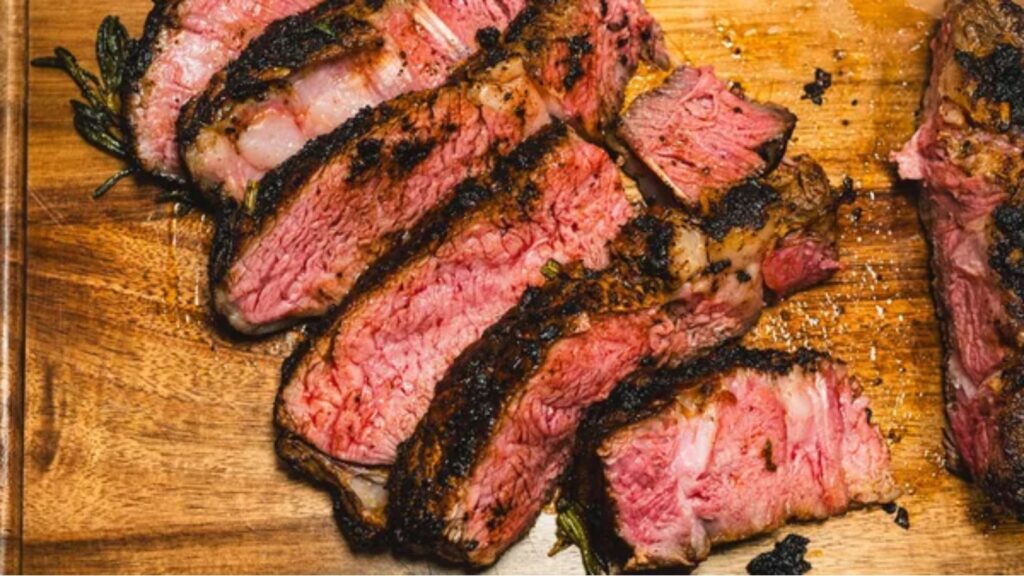
Flank steak has a rich, beefy flavor, but it’s also one of the trickier cuts to cook well. Because it’s lean, it can become tough if it’s even slightly overcooked.
Restaurants that know how to prepare flank steak can turn it into an excellent meal, but that’s not true everywhere. Unless you’re dining at a steakhouse or a place known for cooking different cuts of beef, another steak option may be a safer bet.
Many home cooks also enjoy preparing flank steak themselves since they can control the cooking time and slice it properly across the grain for a much more tender result.
Why Chicken Isn’t the Best Restaurant Choice
Chicken is one of the most common items on restaurant menus, but many chefs think it’s one of the least exciting things to order.
It’s inexpensive, easy to cook, and something most people already prepare several times a month at home. Unless the restaurant is known for a signature chicken dish, your money may be better spent on something that takes more skill, special ingredients, or equipment you don’t have in your own kitchen.
Dining out can be a chance to try flavors and cooking styles you wouldn’t normally make yourself.
Related: 15 Closed Restaurant Chains We Miss and Wish Would Reopen
Salmon—A Dish You Can Easily Make at Home
Salmon is another menu item many chefs skip when they eat out. While it’s healthy and delicious, it’s also one of the easiest fish to prepare in your own kitchen.
A good piece of salmon cooks in minutes and works well with countless seasonings, herbs, and sauces. Because it’s so simple to make, paying restaurant prices doesn’t always feel worthwhile.
Instead, save restaurant visits for dishes that require more preparation or ingredients you wouldn’t usually buy yourself. That way, you’re getting something that feels more special than an ordinary weeknight dinner.
Lobster Rolls and Their Costly Compromise
A lobster roll sounds like the perfect treat, but many chefs question whether it’s worth the price. Lobster is expensive to buy and time-consuming to prepare, so restaurants often charge a premium. The problem is that the sandwich doesn’t always contain enough lobster to match the cost.
Chef and restaurateur Evan Hennessey of Stages at One Washington and The Living Room in Dover, New Hampshire, shared his opinion with HuffPost: “I like lobster, but not enough to justify the cost of a $40-50 [lobster] roll.”
If you’re craving a lobster roll, look for restaurants known for generous portions and fresh seafood. Coastal towns where lobster is caught locally often offer better quality and better value than places far from the source.
Related: 12 Failed Restaurant Chains That Couldn’t Stand the Test of Time
Cheap Steak Isn’t Always a Bargain
Finding an inexpensive steak on a menu can feel like a great deal, but a low price often comes with trade-offs. Restaurants usually cut costs by choosing lower-grade beef or less desirable cuts.
A quality steak depends on good meat, proper aging, careful seasoning, and skilled cooking. Those things aren’t cheap, which is why excellent steakhouses usually charge more.
If you’re in the mood for steak, paying a little extra for a restaurant with a strong reputation is often money well spent. A disappointing steak can leave you wishing you had ordered something else.
Plant-Based Meat Pitfalls
Plant-based burgers and other meat substitutes have become common on restaurant menus, yet some chefs feel they aren’t the most exciting choice.
Many of these products are sold in grocery stores and can be prepared at home without much effort. If you’re dining out, you might get more enjoyment from a meal built around fresh vegetables, grains, beans, mushrooms, or other ingredients that showcase the chef’s cooking.
Restaurants with creative vegetarian or vegan menus often offer dishes that are far more memorable than a packaged meat substitute.
Pasta Prices and Perceptions
Pasta is comforting, filling, and one of the most popular restaurant orders. It’s also one of the least expensive meals to make at home.
A simple pasta dish made with dried noodles and basic sauce can carry a surprisingly high restaurant price. Unless the pasta is handmade, filled from scratch, or paired with premium ingredients, many chefs feel the value just isn’t there.
If pasta is what you’re craving, look for dishes featuring fresh house-made noodles, slow-cooked sauces, or ingredients you wouldn’t normally keep in your kitchen. Those meals often feel much more worthwhile.
Plain Rice Predicaments
Rice is one of the least expensive foods on almost any menu, yet restaurants often charge several dollars for a small serving.
Since rice is easy to prepare at home, many chefs suggest spending your dining budget on dishes that require more time, skill, or specialty ingredients.
If rice comes with your entrée, that’s one thing. Ordering a separate bowl of plain rice at a high markup is another story.
Soup Surprises
A bowl of soup can be comforting, especially on a cold day, but some chefs recommend asking a few questions before ordering.
Many restaurants make soup by using ingredients left from previous days. Done properly, this helps reduce food waste and can produce excellent results. Other kitchens may rely on ingredients that are nearing the end of their usable life.
The safest choice is to order soup from restaurants known for making it fresh or featuring a daily soup prepared from seasonal ingredients. If you’re unsure, your server can usually tell you whether the soup is made in-house or brought in ready to heat and serve.
Salad Overpricing
Ordering a salad seems like a healthy choice, but it isn’t always the best value on the menu. Many restaurant salads are made with pre-cut vegetables, packaged greens, and basic toppings that don’t justify the price.
Chef Evan Hennessey didn’t hold back when talking about restaurant salads. “When you go to a restaurant and just want some leafy greens and vegetables, and they’re charging you $14-16 for a bunch of Sysco pre-cut tasteless carrots and pre-cooked chicken, it’s ridiculous,” he told HuffPost. “But the market will allow that.”
Of course, there are exceptions. Restaurants that buy produce from local farms or prepare their own dressings and toppings can turn a simple salad into something worth ordering. If the salad looks like something you could throw together in a few minutes at home, you may want to spend your money on another dish.
Scrambled Eggs and Restaurant Realities
Scrambled eggs seem like a safe breakfast order, but they’re also one of the easiest meals to make yourself. Since they cook so quickly, it’s disappointing to pay restaurant prices only to receive eggs that are dry, rubbery, or overcooked.
Making scrambled eggs at home lets you control every step, from the texture to the seasoning. You can add fresh herbs, cheese, or vegetables and still spend far less than you would at a restaurant.
If you’re going out for breakfast, it may be more rewarding to order something that’s harder to prepare at home, such as eggs Benedict, a well-made omelet with specialty fillings, or a house specialty that reflects the restaurant’s style.
Pineapple on Pizza Dilemma
Few foods create as much debate as pineapple on pizza. Some people love the sweet-and-savory combination, while others believe fruit has no place on a traditional pie.
Many chefs who specialize in Italian cooking recommend sticking with classic toppings if you’re dining at an authentic pizzeria. Fresh mozzarella, basil, mushrooms, prosciutto, sausage, or pepperoni allow the dough, sauce, and cheese to take center stage.
That said, pizza should be something you enjoy. If pineapple is your favorite topping, order it without worrying about the debate. The best pizza is the one you’ll be happy to eat.