
The 1990s gave us some of the most memorable cars ever built. It was a decade when automakers pushed the limits of performance, design, and technology without losing sight of what made a car fun to drive. Whether you were into affordable sports cars, American muscle, Japanese performance legends, or exotic supercars, the ’90s had something unforgettable.
Many of these models are still highly sought after today. Some became stars of movies and video games, while others earned their reputation on racetracks and rally stages. Here are 17 of the most iconic cars from the 1990s.
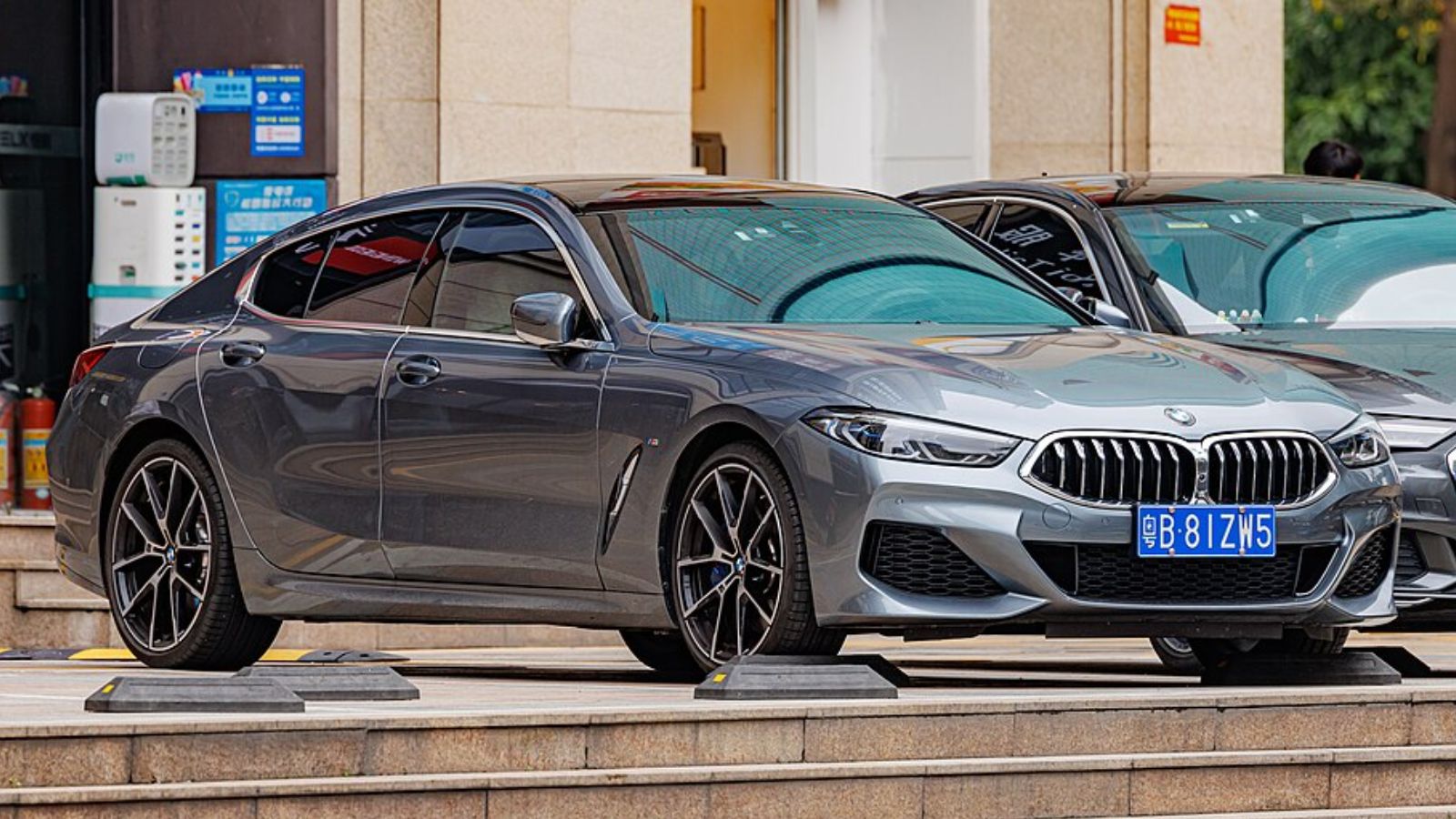
Acura NSX
When the Acura NSX arrived in 1990, it changed what people expected from a supercar. Honda built it with an aluminum body, a mid-engine layout, and a high-revving V6 that produced around 270 horsepower. It offered exotic performance without the reliability headaches that many supercars were known for.
The NSX also benefited from input by Formula 1 legend Ayrton Senna during development. Its balance, handling, and everyday drivability helped it earn a reputation that still holds up decades later.
Mazda RX-7
The third-generation Mazda RX-7 remains one of the most recognizable sports cars from the decade. Its lightweight body and twin-turbocharged rotary engine gave it quick acceleration and razor-sharp handling.
Unlike traditional piston engines, the rotary delivered power in its own unique way, giving the RX-7 a personality that stood apart from nearly everything else on the road. Its popularity among enthusiasts and tuners has only grown over the years.
Toyota Supra
Few cars represent the ’90s performance scene better than the fourth-generation Toyota Supra. Under the hood was the famous 2JZ-GTE inline-six engine, known for its strength and ability to handle massive horsepower with the right upgrades.
Its appearance in movies helped make it a household name, though the Supra had already earned respect for its speed, reliability, and tuning potential long before Hollywood noticed.
Nissan 300ZX
The Nissan 300ZX Z32 blended sleek styling with impressive performance. Buyers could choose a twin-turbocharged V6 that delivered 300 horsepower, making it one of the quickest Japanese sports cars of its time.
It also featured advanced engineering for the era and a cabin that felt modern without sacrificing the driver’s connection to the road. Even today, the 300ZX continues to attract collectors and enthusiasts.
Mitsubishi 3000GT VR-4
The Mitsubishi 3000GT VR-4 packed an impressive amount of technology into one car. All-wheel drive, four-wheel steering, active aerodynamics, and electronically controlled suspension helped it stand out from its competitors.
Its twin-turbocharged V6 produced 300 horsepower, giving it performance to match its long list of features. The VR-4 showed just how ambitious Japanese automakers had become during the decade.
Dodge Viper
The Dodge Viper wasn’t built to be subtle. Its massive V10 engine, long hood, and stripped-down design delivered a raw driving experience that demanded respect.
Early models skipped many of the electronic driving aids that are common today, leaving drivers with nothing but horsepower and skill. That wild personality became part of the Viper’s lasting appeal.
Chevrolet Corvette ZR-1
Nicknamed the “King of the Hill,” the Corvette ZR-1 raised the bar for American performance cars. It’s specially developed LT5 V8 initially produced 375 horsepower before climbing to 405 horsepower in later versions.
With sports car performance that could compete with many European rivals, the ZR-1 proved the Corvette belonged among the world’s best performance cars.
Ford Mustang Fox Body
Although the Fox Body Mustang began production in the late 1970s, its final years carried well into the early 1990s and helped cement its legendary status.
The lightweight platform and available 5.0-liter V8 made it affordable, easy to modify, and incredibly popular with racers and weekend enthusiasts. It remains one of the most modified Mustangs ever built.
McLaren F1
The McLaren F1 wasn’t just another supercar, it became the benchmark for nearly every car that followed. Powered by a naturally aspirated BMW-built V12 producing 627 horsepower, it reached a top speed of 240 mph, a record that stood for years.
Its center-mounted driver’s seat, carbon-fiber construction, and obsessive attention to weight made it one of the greatest engineering achievements in automotive history.
Ferrari F50
Built to celebrate Ferrari’s 50th anniversary, the F50 brought Formula 1 technology to the street. Its naturally aspirated V12 traced its roots to Ferrari’s racing program and delivered more than 500 horsepower.
With only 349 examples produced, the F50 quickly became one of Ferrari’s most desirable collector cars.
Lamborghini Diablo
The Lamborghini Diablo looked like every kid’s dream car during the ’90s. Sharp angles, scissor doors, and a roaring V12 made it impossible to ignore.
As the decade progressed, horsepower climbed above 500, and the Diablo became the first Lamborghini capable of exceeding 200 mph. It remains one of the brand’s most recognizable models.
Porsche 911 (993)
Many Porsche fans consider the 993 the last classic 911 because it was the final air-cooled generation. Its timeless styling and excellent driving manners have made it one of the most collectible versions ever built.
The twin-turbocharged 993 Turbo offered more than 400 horsepower while maintaining the everyday usability that helped define the 911.
Subaru Impreza WRX STI
The Subaru WRX STI earned its reputation through rally racing. Its turbocharged engine, all-wheel-drive system, and sharp handling made it equally comfortable on dirt roads or winding pavement.
The blue paint, gold wheels, and oversized rear wing became instantly recognizable and helped turn the STI into a performance icon.
Mitsubishi Lancer Evolution
The Mitsubishi Lancer Evolution spent much of the decade battling the WRX STI in rally competition. Each new version became quicker and more capable while keeping its turbocharged four-cylinder engine and all-wheel-drive layout.
Its precise handling and aggressive styling made the Evo one of the most respected performance sedans ever produced.
Mazda MX-5 Miata
The Mazda MX-5 Miata proved you didn’t need huge horsepower to have fun behind the wheel. Its lightweight design, responsive steering, and perfect balance made every drive enjoyable.
Affordable pricing and outstanding reliability introduced countless drivers to the world of sports cars, helping the Miata become one of the best-selling roadsters ever made.
Honda/Acura Integra Type R
The Integra Type R squeezed remarkable performance from a naturally aspirated 1.8-liter four-cylinder engine that loved to rev. Engineers reduced weight, sharpened the suspension, and focused on handling instead of chasing bigger horsepower numbers.
Its combination of precision, reliability, and driving enjoyment helped earn its place among the greatest front-wheel-drive performance cars ever built.
BMW 8 Series
The original BMW 8 Series combined luxury with serious performance. Long, low, and packed with technology, it offered effortless highway cruising while still delivering strong acceleration.
Models equipped with the V12 engine showcased BMW’s engineering ambitions during the decade, making the 8 Series one of the most distinctive grand touring cars of the 1990s.