
The kitchen is the heart of the home, where you cook and create memories. Despite our best efforts to keep it shiny, there are some cleaning habits you should avoid, as they could do more harm than good. There are many of us who either ignore cleaning or use inappropriate methods, unknowingly inviting germs, bacteria, and even mold into our cooking spaces. What’s worse, a dirty kitchen could be making us sick without our knowing.
Here are 13 common kitchen cleaning mistakes that could be harming your health. If you know what to avoid, you’ll be able to keep your kitchen truly clean of harmful bacteria, viruses, and allergens.
Neglecting the Refrigerator

If you don’t clean your refrigerator often, it becomes a breeding ground for bacteria. Sure, you might think that keeping it cold will be enough to keep everything fresh, but spills and spoiled food can easily become sources of contamination.
Bacteria like Salmonella and E. coli could easily set up residence if you’re not regularly cleaning shelves, drawers, and door seals. A simple wipe down of all surfaces with a mild disinfectant can go a long way. Also, toss expired items.
Overusing All-Purpose Cleaner

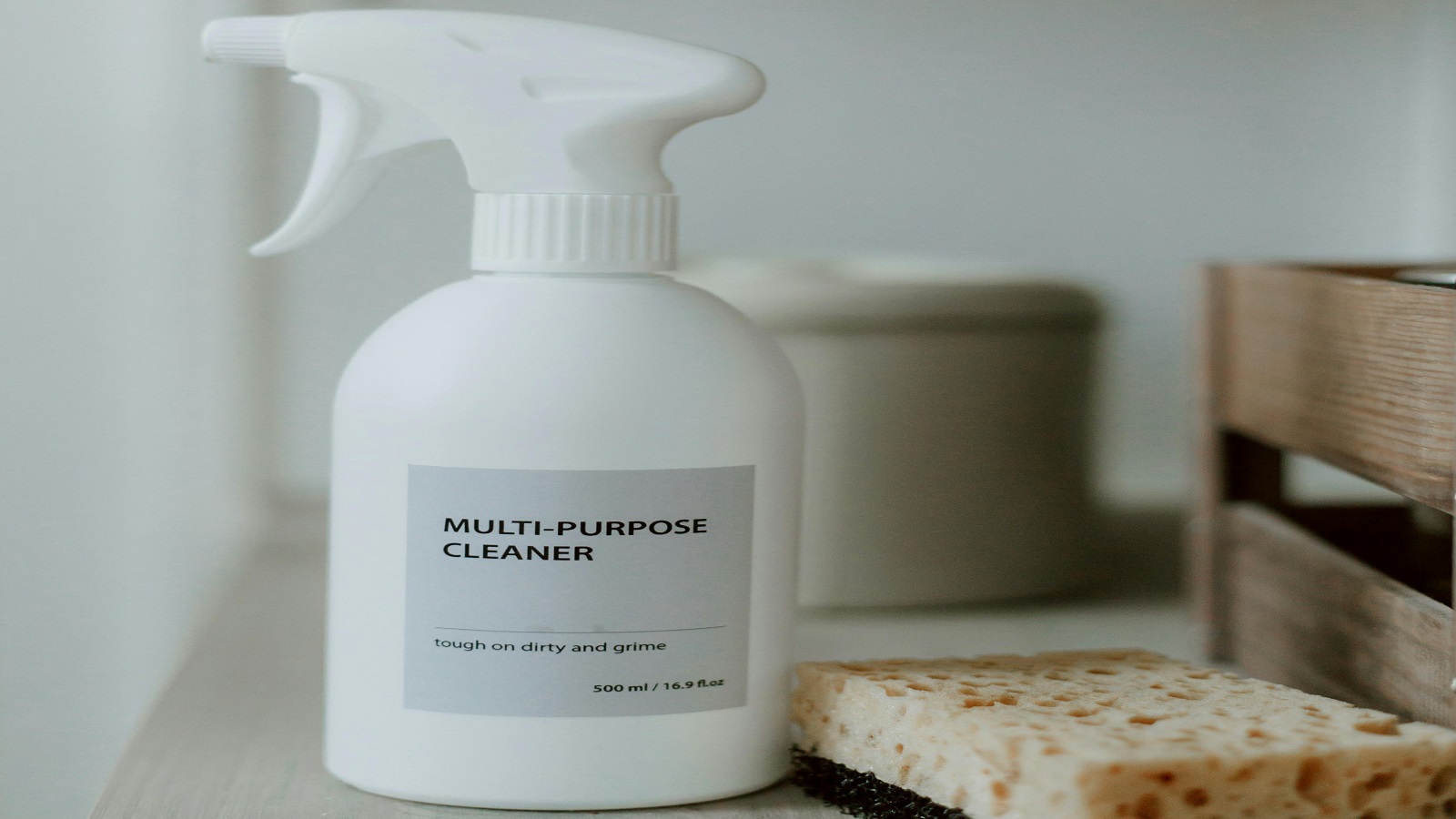
While all-purpose cleaners are great for a lot of things, they don’t do a good job of sanitizing food prep areas. Most of these products are not designed to kill germs; they are designed to clean.
They may make the surface look clean when using them to wipe down countertops, cutting boards, and utensils, but truly sanitizing a surface can be tricky. Instead, kill harmful bacteria with a kitchen-safe disinfectant.
Using the Same Sponge for Everything

In any kitchen, a sponge is one of the most commonly used cleaning tools, but it’s also one of the dirtiest. A sponge left sitting after wiping down a counter or washing dishes can become a breeding ground for E. coli and Salmonella, so it’s important to clean or replace it regularly.
Ignoring the Sink

You scrub your sink now and then, but is it as clean as you think? The sink is the last place we tend to consider bacteria, but it’s where we wash our hands, rinse our fruits and veggies, and clean our dishes.
An uncleaned sink can easily become a breeding ground for bacteria like Listeria and Norovirus, so if you’re not regularly disinfecting the sink, it’s something you should start doing.
A Dirty Dish Towel Left Around
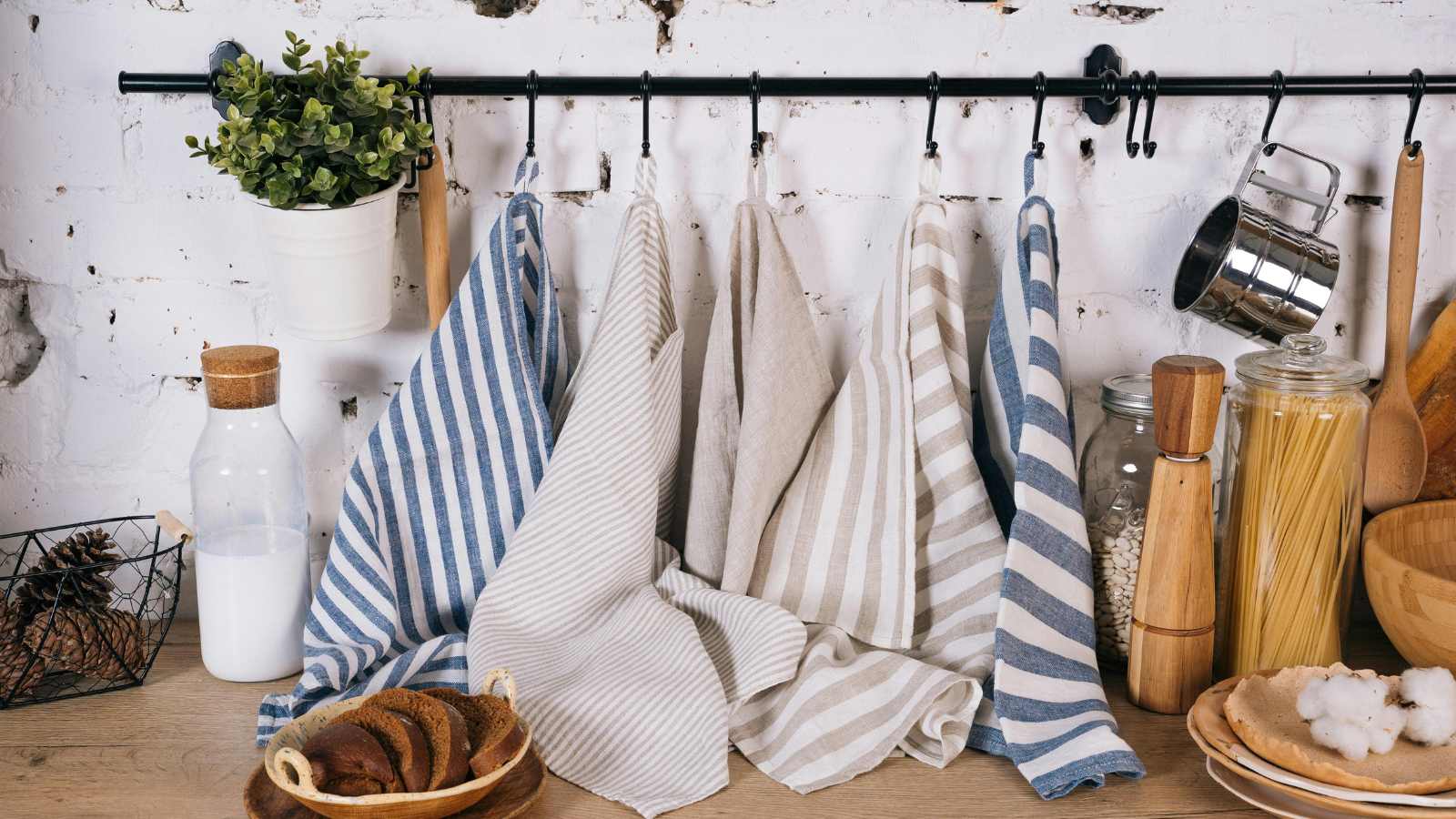
With Dish towels, you dry your hands, wipe up spills, or wipe down countertops, but how often do you really clean them? Dish towels can become damp and rife with bacteria after repeated use if they’re not washed often enough.
In fact, they can be as germy as sponges and even harbor E. coli, Staphylococcus, and Salmonella. Wash dish towels on the hot-water high setting to kill bacteria. If you still see odors or stains, replace them.
Not Cleaning the Cutting Boards
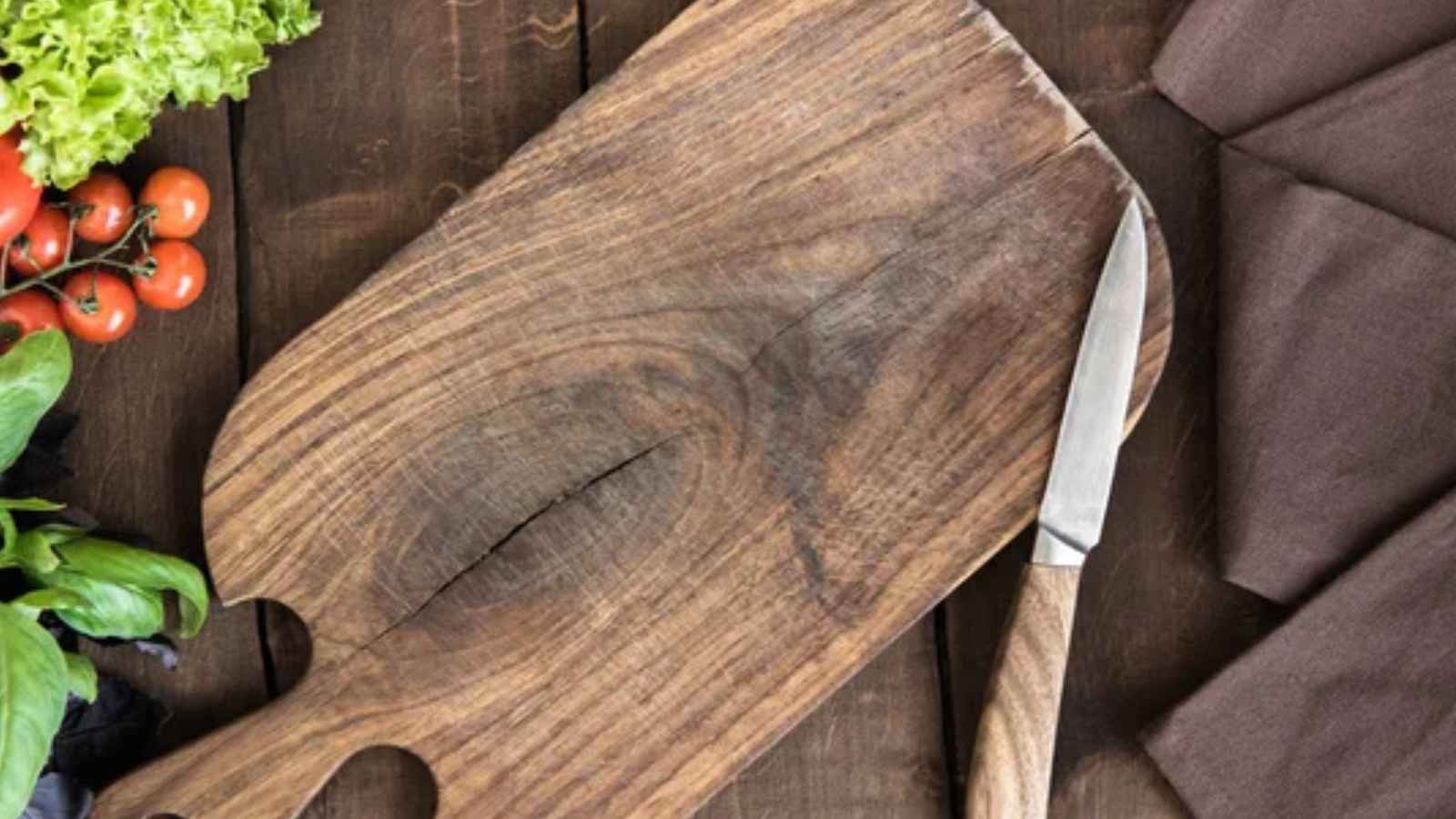
Chopping boards can be a breeding ground for bacteria if they are not cleaned properly. Harmful microorganisms often left behind in raw meat, fruits, and vegetables can transfer to your next meal.
After cutting raw meat on your cutting board, make sure to sanitize it. To avoid cross-contamination, you might consider having raw meat and produce on separate boards.
Not Washing Your Hands Enough

You probably know we need to wash our hands before we cook, but many of us don’t wash them properly. Wash your hands after touching raw meat, trash, or anything dirty.
This is a simple step that many don’t pay much attention to, but it’s a very effective way to help you fight the spread of harmful bacteria. The CDC says handwashing helps cut the spread of foodborne illness by up to 50%.
Not Keeping the Oven or Stove Regularly Cleaned

Ovens and stoves are considered low-maintenance appliances, but food particles and grease can accumulate in these and can become a source of bacterial growth.
The warmth of these appliances makes them a breeding ground for bacteria, and areas like burners, grates, and oven racks are the best places for them to thrive. Clean these areas every few weeks and make it a habit.
The Trash Can Is Not Disinfectant

Your trash can is probably one of the least things you think about cleaning, but it’s one of the most contaminated items in your kitchen. It has food scraps, wrappers, and other waste that can invite bacteria, mold, and pests.
If you do not clean the trash can, you risk making it stink and spreading germs throughout the kitchen. Disinfect your trash can once a week.
Overlooking the Dishwasher

You’d think the dishwasher is already clean, but it’s actually one of the most germ-infested spots in the kitchen. Although it employs hot water to scrub your dishes, leftover food debris and soap scum can build up in the gadget over time, creating a home for bacteria.
Clean your dishwasher once a month. Use a dishwasher cleaner, or a vinegar or baking soda mixture to clean out debris and disinfect the inside.
Using Dirty Cooking Utensils

Most people don’t think twice before grabbing a spoon or spatula, then wiping it on the counter before starting to cook again.
Bacteria can be spread from your food using cooking utensils that haven’t been washed properly. It’s even more true with raw meat or eggs, which are riskier to begin with. If you’re using utensils, sanitize them after every use and before using them on other foods.
Not Cleaning Behind the Refrigerator

You may clean the inside of your refrigerator daily, but how often do you clean behind it? Now, this area is notorious for collecting dust, food crumbs, and even mold if the fridge isn’t moved at all for cleaning.
These hidden spaces quickly accumulate bacteria and allergens. Pull your refrigerator out every few months and make a point to clean behind it. Doing this simple little task will prevent hidden health risks and keep your kitchen cleaner.
Skipping the Microwave

Typically, the big appliances are the ones we want to conserve energy for. The microwave, being a small appliance, is often forgotten about. Germs love to breed in the microwave, as spills and splatters can spread quickly. After each use, wipe down your microwave. A clean microwave will keep bacteria from spreading to your next meal.