Space exploration is one of humanity’s most incredible achievements, requiring rigorous training, planning, and equipment. The first space shuttle (STS-1) was launched from NASA’s Keneddy’s Space Center in Florida on April 12th, 1991, with astronauts John W. Young and Robert L. Crippen, as reported by NASA.
Astronauts undergo a meticulous selection process and adhere to strict protocols to ensure their safety and mission success. One critical aspect of this preparation involves understanding what items are banned from space missions. Here are 13 items astronauts are not permitted to take into space.
Fresh Bread

Fresh bread is a no-go in space because it tends to produce crumbs. These crumbs can float around in microgravity, posing a risk to sensitive equipment and potentially causing respiratory issues. Despite bread being a good source of carbohydrates, its short shelf life also makes it unwelcome in space.
Instead, astronauts consume tortillas, which are more manageable and don’t create floating debris. Fun fact: NASA has been using tortillas since the 1980s.
Soda and Carbonated Beverages

Soda and other carbonated beverages are banned from space missions for several reasons. First, their bubbles do not settle in microgravity, making it challenging to drink them without causing a mess.
Second, the gas buildup in an astronaut’s stomach can cause discomfort and lead to symptoms similar to acid reflux, such as excessive burping.
Salt and Pepper
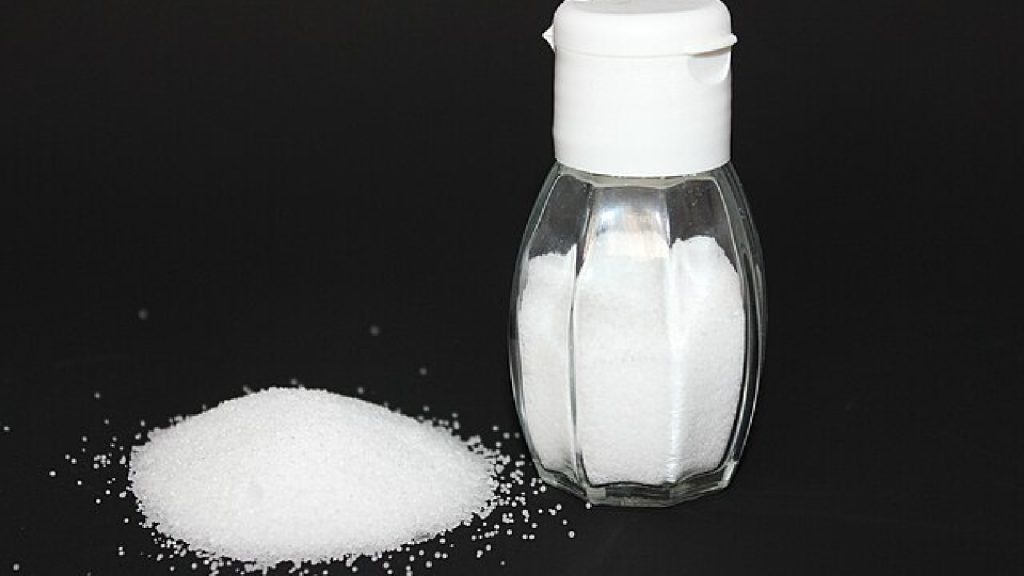
Salt and pepper may seem like harmless seasonings, but they are not allowed on space missions. Again, the microgravity environment makes it difficult to contain these tiny granules, causing them to float around.
Thus, they clog air purifiers and filters, potentially damaging equipment or irritating the astronauts’ eyes and respiratory systems. To add flavor to their meals, astronauts use liquid salt and pepper solutions instead.
Ice Cream

Many people adore ice cream, but it’s not permitted on space missions. The absence of freezers or refrigerators at the International Space Station (ISS) means frozen treats would melt, creating a messy situation.
However, astronauts can enjoy freeze-dried ice cream, which doesn’t require refrigeration and won’t melt. This unique treat debuted in space during the Apollo 7 mission in 1968.
Firearms

Firearms are banned from space missions despite some science fiction depictions suggesting otherwise. NASA has a strict policy against weapons in space due to the risk of accidental discharge in confined pressurized surroundings, which could puncture the walls of the spacecraft or cause severe damage to equipment.
Astronauts are trained in self-defence techniques but rely primarily on communication with Mission Control for any potential threats.
Strong Magnets

Strong magnetic fields could interfere with the spacecraft’s electronic systems and orient needles used in compasses, leading to malfunctions and data corruption, making navigation challenging.
Additionally, magnets can cause metal objects to become projectiles if they come too close.
Pets

Bringing pets to space might seem cool, but it’s not allowed. Space.com reports the first mammal to reach space was a rhesus monkey named Albert II. Aside from the potential mess and maintenance issues, animals can experience significant stress from confinement in a cramped spacecraft.
Moreover, since the 1990s, most scientific research missions involving animals have been banned due to ethical concerns.
Glass Objects

Glass is highly discouraged from space missions due to its potential for shattering and creating sharp, floating debris. NASA has strict guidelines for the design and materials used in space equipment, ensuring that all items are made of non-shattering materials like plastic or metal alloys and ceramics, which are also chemically non-reactive.
Open Flame Devices

Open flames present a serious fire hazard within the spacecraft’s confined, oxygen-rich environment. Flames’ behavior changes in microgravity, increasing the risk of uncontrolled fires.
Furthermore, maintaining adequate ventilation for open flames is impractical in space due to the lack of gravity. Consequently, astronauts rely on specially designed heaters and hot plates for cooking and heating meals.
Excessive Personal Items

Space missions come with strict storage constraints, limiting the personal items astronauts can bring. They must comply with rigorous weight restrictions, and all belongings undergo thorough testing before approval for space travel.
To maximize efficiency and safety, astronauts are permitted only essential personal items, enhancing crew mobility and ensuring unobstructed emergency procedures.
Pens and Pencils

While writing utensils may seem necessary, they are not permitted in space. The tips of pens and pencils can break off and create floating debris, which could damage equipment or even float into an astronaut’s eye.
In space, a special space pen called the Fisher Space Pen was created by Paul Fisher and launched into space in 1968. Discover Magazine reports that it utilizes a nitrogen-pressurized ink cartilage that allows for its use in microgravity
Alcohol

Astronauts are strictly prohibited from consuming alcohol in space. While this may seem obvious, some countries have previously sent alcoholic beverages on space missions as gifts or for scientific research. However, NASA enforces a ban on alcohol consumption aboard the International Space Station (ISS) due to safety concerns and potential distractions from essential duties.
According to Daniel G. Huwot, NASA’s Johnson Space Center spokesperson, alcohol is prohibited because its compounds can negatively affect the station’s water recovery systems. Additionally, the issue of responsibility cannot be overlooked; impaired judgment in a $150 billion space station travelling through a near-vacuum at 17,200 mph could have serious consequences.
Radioactive Materials

Radioactive materials are prohibited on space missions due to the considerable risks they pose. In addition to the potential hazards of radiation exposure, using radioactive materials in a confined, high-pressure environment is extremely dangerous.
Although some scientific missions may require nuclear-powered devices, strict protocols and safety measures must be followed.
Disclaimer – This list is solely the author’s opinion based on research and publicly available information.
15 Most Beautiful Beaches in the World

15 Most Beautiful Beaches in the World
The 10 Most Dangerous Waterfalls in the World. Would You Venture?
The 10 Most Dangerous Waterfalls in the World. Would You Venture?