
Finding foods that align with a healthy lifestyle and hunger is tough, and calorie-conscious eating can make it even harder. A study on moderation and avoidance from GlobalData says 54% of global consumers noted they pay close or very high attention to the ingredients in their food and drink products. The report went on to say that sugar, fat, and salt are the ingredients they are most likely to avoid.
For many, the idea of guilt-free meals or snacks seems far from reality, as healthful choices must come with compromise. These types of food help you feel full but also provide the vitamins and minerals that help you feel energized, support your immune system, and give you good health in the long run. However, understanding certain nutrient-rich, low-calorie options might open a world of abundance rather than restriction.
Green Beans

Green beans are a crunchy, low-calorie vegetable that can be enjoyed in large quantities without guilt. One cup of raw green beans contains only 31 calories but provides essential nutrients like vitamin C, vitamin K, and fiber. According to the USDA, green beans also contain a good amount of folate, which is essential for cell growth and repair.
The crunchy texture of green beans makes them a great snack and side dish. Green beans are versatile-you steam them, roast them, or even add them to salads for an extra serving of vegetables.
Apples
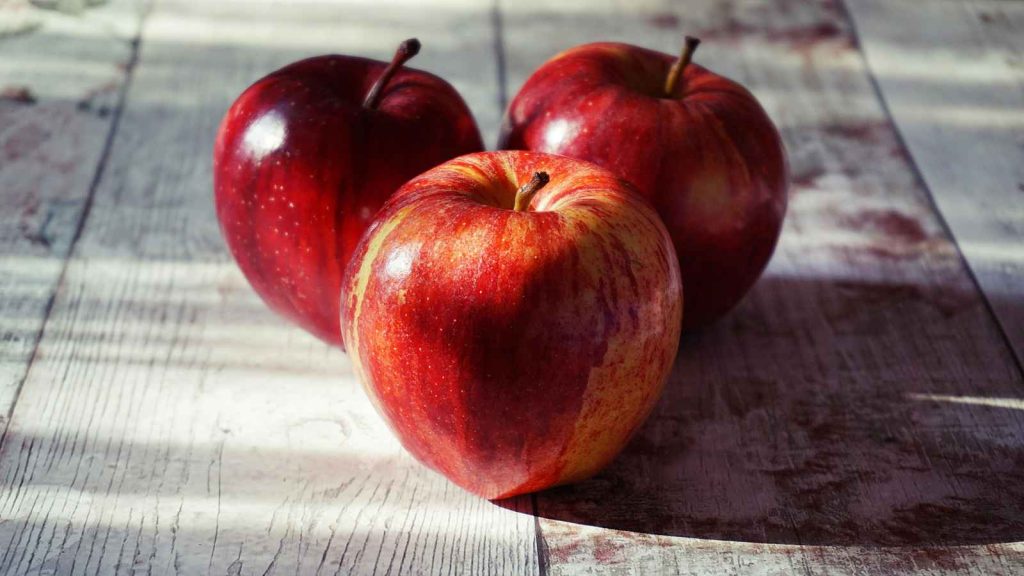
Apples are naturally sweet and filling fruits due to their low-calorie and high-fiber content, making them a free fruit. A medium apple contributes approximately 95 calories but provides 4 grams of fiber, supporting digestion and promoting satiety.
According to Harvard Health, eating one medium apple may help lower blood pressure, cholesterol, and inflammation.
Apples are a versatile fruit, excellent for snacking on or incorporating into meals. Enjoy them raw, baked with a sprinkle of cinnamon, or sliced into salads for that touch of sweetness.
Asparagus

Asparagus is a nutrient-dense vegetable that is low in calories but high in vitamins. One cup of cooked asparagus, which contains only 40 calories, is a rich source of vitamin K, folate, and antioxidants like glutathione, believed to detoxify the body.
According to Healthline, asparagus is a natural diuretic that can help reduce bloating and help the kidneys function better.
Asparagus is versatile and satisfying, whether roasted, steamed, or added to soups. Its fiber helps give one that feeling of fullness, hence making it a very good food for weight management.
Pineapple
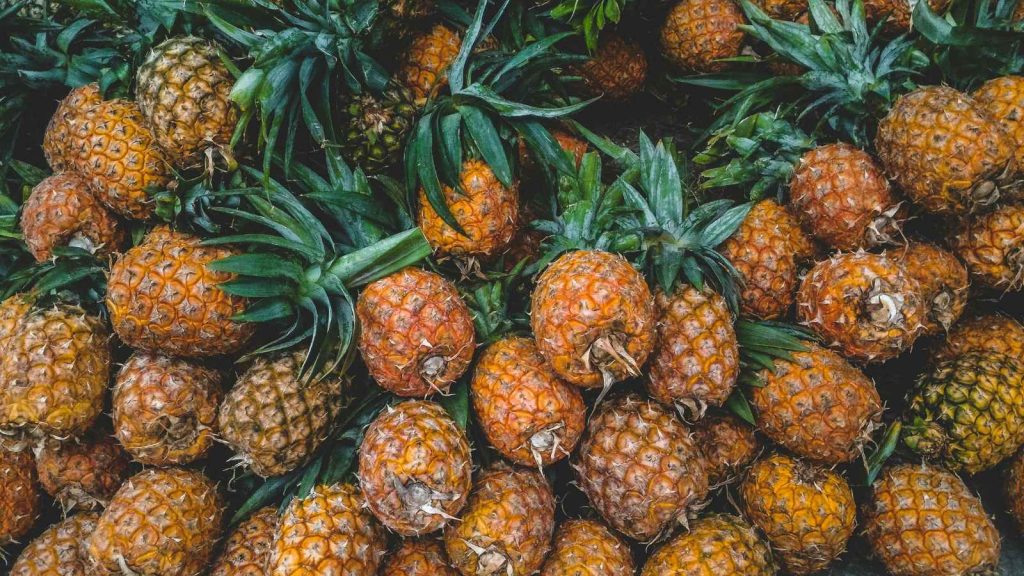
The tropical fruit pineapple is low in calories and rich in nutrients. It’s a great snack without feeling much guilt. One cup of pineapple chunks contains about 82 calories but provides over 130% of your daily vitamin C needs.
The National Institutes of Health says that pineapple contains an enzyme called bromelain, which may aid digestion and reduce inflammation. Sweetness in a whole different dimension: pineapple is naturally sweet; hence, it’s a perfect substitute for sugary desserts. Have it fresh, grilled, or blended into smoothies.
Spinach
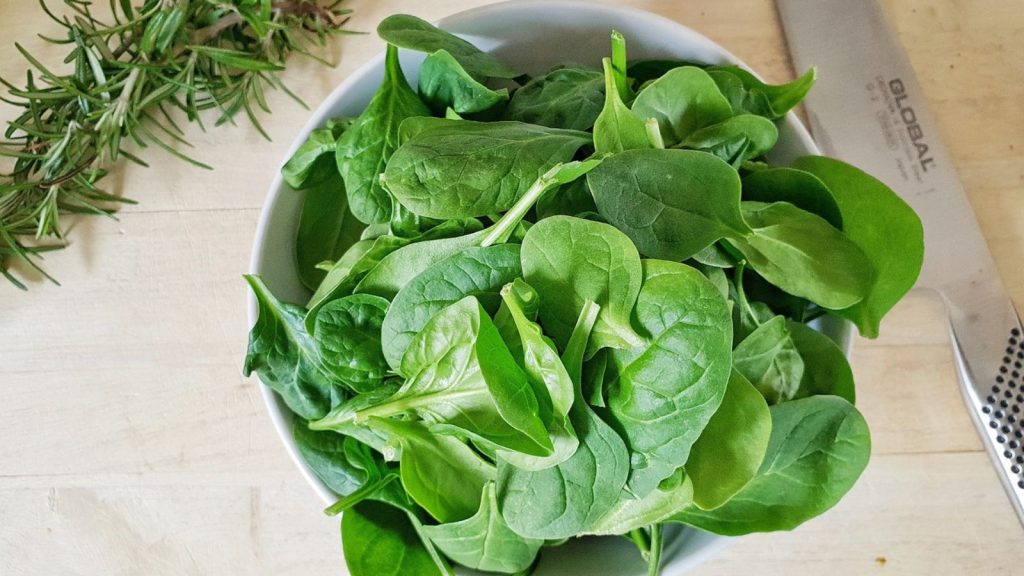
Spinach is a nutrient-dense leafy green that is incredibly low in calories—one cup of raw spinach contains only 7 calories. It’s also a very good source of iron, calcium, and magnesium, which are important for keeping bones strong and muscles healthy.
The International Osteoporosis Foundation believes the amount of vitamin K in spinach makes this leafy green particularly beneficial for bone health.
This green can be eaten in various ways: raw in salads, sautéed as a side dish, or blended into smoothies for a nutrient boost. Its mild flavor also goes with any meal.
Papaya

Papaya is a tropical fruit that is low in calories and packed with nutritious vitamins like vitamin C, vitamin A, and fiber. One cup of papaya chunks has only 62 calories but contains more than your recommended daily vitamin C intake.
According to the Cleveland Clinic, papaya contains the enzyme papain, which supports digestion and may help lower bloating.
Papaya is naturally sweet, making it a refreshing snack or addition to salads and smoothies. With its bright color, delicious taste, and health benefits, papaya is a healthy indulgence that befits overall wellness.
Eggplant

Eggplant is a low-calorie, nutrient-rich vegetable that you can enjoy without limits. A cup of cooked eggplant contains only 35 calories but provides fiber, potassium, and antioxidants like nasunin, which supports brain health. Eggplant’s phytonutrients can help lower cholesterol and improve heart health.
Versatile to the extreme, eggplant is used in everything from grilled slices to hearty stews. Its meaty texture also lends beautifully to plant-based applications in dishes such as eggplant parmesan or lasagna.
Oranges

Oranges are juicy, nutrient-enriched fruits. They contain few calories and a high amount of vitamin C. A medium orange contains about 62 calories and 70% of the daily vitamin C intake. Oranges’ antioxidants help boost the immune system by reducing inflammation.
Oranges are naturally sweet, making them satisfying snacks or ingredients in smoothies and salads. Their high water content and refreshing flavor make them a guilt-free way to stay hydrated and nourished.
Cantaloupe

Cantaloupe is a hydrating, low-calorie fruit that’s perfect for guilt-free snacking. One cup of diced cantaloupe contains only 53 calories but provides a significant amount of vitamins A, C, and potassium.
According to WebMD, cantaloupe’s high water content helps keep you hydrated while supporting healthy skin and digestion.
This juicy fruit can be eaten alone, in fruit salads, or in cool drinks. The sweet flavor and nutritional factors make cantaloupe a satisfying treat you can enjoy freely.
Lettuce

Lettuce is one of the lowest-calorie foods you can consume. A cup of chopped romaine has just eight calories. It’s also a good source of vitamins A, K, and folate, three essential nutrients that can keep you healthy. According to the USDA, lettuce is a hydrating food; over 95% of its content is water.
Lettuce is versatile and easy to add to meals since it forms the base of most salads and wraps. Its mild flavor and crunchy texture make adding volume and nutrients an acceptable, no-extra-calorie way.
Leafy Greens

Leafy vegetables like spinach, kale, and arugula are highly nutritious and can be consumed virtually unlimitedly. They are deficient in calories, with only about 7 calories in a single serving of raw spinach.
These greens are also rich in vitamins A, C, and K and antioxidants for your immune system and inflammation. Another benefit of leafy greens is their high fiber content, which promotes satiety and aids digestion.
Because they’re versatile and easy to fit into meals, leafy greens are a guilt-free choice for snacking, adding to salads, or blending into smoothies. Incorporating a mix of greens will ensure you have a wide array of nutrients and keep calories low.
Cucumbers

Cucumbers are a fresh and hydrating snack that can be consumed endlessly. One medium cucumber has only about 16 calories but contains excellent nutrients like vitamin K and potassium.
The Cleveland Clinic says the high water content in cucumbers is 95%, which is good for skin health and helps flush toxins from the body. Cucumbers also contain antioxidants, like beta carotene and flavonoids, which help fight oxidative stress.
They are crunchy enough to satisfy a junk food craving for high-calorie chips or crackers. Cucumbers add great hydration and crunch to any diet, whether raw, pickled, or as part of a salad.
Berries

Berries such as strawberries, blueberries, and raspberries are low in calories and antioxidants, making them the perfect guilt-free indulgence. Berries are loaded with anthocyanins, which are associated with improved brain health and reduced heart disease risks.
One cup of strawberries contains merely about 50 calories but offers over 100% of your daily recommended vitamin C intake. They are high in fiber, which helps you feel full and supports digestive health.
Their natural sweetness makes them a fantastic alternative to sugary desserts. You can enjoy fresh, frozen, or blended smoothies without worrying about excess calories while reaping their numerous health benefits.
Celery

Celery is arguably one of the most calorie-sensitive foods anyone could consume; it is often described as a “negative-calorie food” since it takes more energy to digest than it provides. One stalk contains six calories but provides hydration and nutrients, including vitamin K and potassium.
Celery also contains antioxidants like apigenin and luteolin, which may help reduce inflammation and promote heart health. Its versatility lets you enjoy it raw with a light dip or cooked into soups and stews for added flavor and crunch.
Watermelon

Watermelon is a refreshing, not-so-guilty-pleasing fruit because of its low calories and water content. A one-cup serving of watermelon has only 46 calories but is packed with vitamins C and A, and antioxidants such as lycopene.
Lycopene has been documented to support heart health and offer protection against specific cancers. Its high water content will also keep you well-hydrated, and a Penn State study points out that you’ll feel full longer because water-rich food takes up more room in your stomach.
Enjoy fresh watermelon as a sweet snack, or pop chunks in the freezer for a lighter version of popsicles.
Zucchini

Zucchini is a versatile vegetable that can be eaten in generous amounts without adding many calories to your diet. A medium zucchini has only about 33 calories but contains vitamins B6, C, and potassium. It is high in water and fiber, which help keep you full while supporting healthy digestion.
Besides being nutrient-rich, zucchini can be used in many low-calorie substitutions. It is spiralized into “zoodles” as a popular substitute for high-carb pasta. Slices roasted until tender make a delicious snack-type food.
Bell Peppers

Bell peppers, on the other hand, add color and crunch and are great for guilt-free eating. One medium pepper contains only about 25 calories but covers over 150% of the RDI of vitamin C. They are also rich in antioxidants like capsanthin and beta-carotene, which support eye health and boost immunity.
Their sweetness makes them versatile as a snack or added to meals. For a nutritious main dish, you can enjoy them raw with hummus, roasted, or stuffed with lean protein. Due to their vibrant colors and impressive nutrient profile, bell peppers add flavor to your diet and health benefits without overindulging.
Broccoli

Broccoli is one vegetable that is so dense in nutrition yet low in calories-one serving of broccoli carries only about 55 calories. One serving meets a significant percentage of the daily vitamin C, vitamin K, and fiber intake. The National Cancer Institute also points out that broccoli is rich in sulforaphane, a cancer-preventing chemical.
This cruciferous vegetable is also versatile. You can enjoy it raw with a dip, steamed as a side dish, or roasted with your favorite seasonings. Regular broccoli consumption can help with heart health by lowering cholesterol levels.
Carrots

Sweet and crunchy, carrots have a satisfying crunch that can be very soothing when snacking. One medium carrot contains approximately 25 calories but is rich in beta carotene, an antioxidant converted to vitamin A that supports eye health.
These vegetables contain a lot of water and fiber, making carrots a great candidate for filling up without adding too many calories. Enjoy them raw, roasted, or even blended into soups.
Mushrooms

Mushrooms are pretty low in calories but high in nutrients; hence, you can eat them freely. A cup of sliced mushrooms has no more than 15 calories and contains nutrients like selenium, potassium, and vitamin D that are important for your body.
A Penn State study shows that mushrooms have antioxidants, including ergothioneine, which may protect you from chronic diseases by preventing cellular damage.
Mushrooms’ umami flavor makes them a great addition to many dishes, from stir-fries to salads and pasta. They are also a great plant-based alternative to meat in recipes like burgers or tacos.
Cauliflower

Cauliflower is a low-calorie vegetable used in countless recipes to replace higher-calorie ingredients. One cup of raw cauliflower contains a minuscule 25 calories but boasts high levels of fiber, vitamin C, and choline, a nutrient essential in maintaining brain health.
The high fiber content promotes a healthy digestive system that can help control hunger. One of cauliflower’s standout qualities is its ability to mimic starchy foods. Cauliflower rice, mashed cauliflower, or even cauliflower pizza crusts are popular low-carb alternatives to traditional high-calorie foods.
Tomatoes
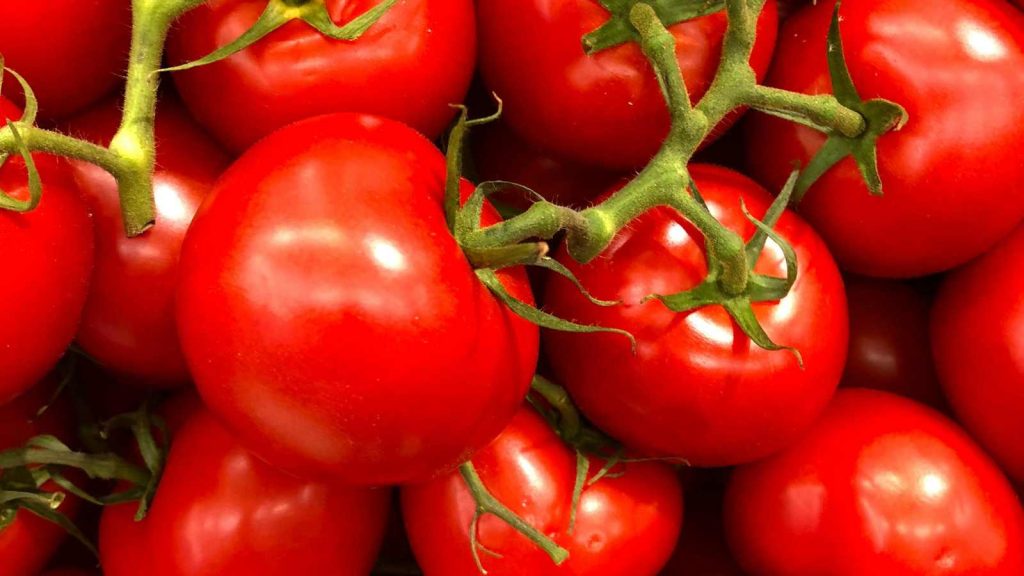
Tomatoes are juicy, flavorful, and extremely low in calories, with one medium tomato containing just 22 calories. They are an excellent source of vitamin C, potassium, and lycopene, an antioxidant that studies suggest may reduce the risk of heart disease and certain cancers.
According to the World Cancer Research Fund, diets rich in tomatoes and lycopene are linked to a lower risk of prostate cancer. If you like tomatoes raw in salads, roasted, or sautéed for sauces, they are a versatile, guilt-free addition to your meals. Their high water content keeps you hydrated and can contribute to feelings of fullness.
Radishes

Crunchy, peppery, and ultra-low in calories, radishes make a guilt-free snack. One cup of sliced radishes contains 19 calories and is a good source of vitamin C and antioxidants such as catechin. Radishes also contain glucosinolates, compounds that may have anti-cancer properties.
Radishes’ crispiness makes them a satisfying substitute for high-calorie snacks like chips. They can be eaten raw, pickled, or even put in salads for an added crunch.
Grapefruit

Grapefruit is one of the most sour, refreshing fruits; it’s low in calories and contains many nutrients. Half a grapefruit contains just 37 calories while providing more than half of your daily vitamin C needs. It also helps reduce weight, improve insulin sensitivity, and lower appetite.
With its high water and fiber content, grapefruit leaves the body feeling full and hydrated. It can be eaten alone, mixed in a fruit salad, or set atop a protein-based breakfast for a complete meal.
Cabbage

Cabbage is a low-calorie, nutrient-rich vegetable that you can enjoy in large quantities. A cup of chopped cabbage contains just 22 calories but is high in fiber, vitamin C, and vitamin K. According to WebMD, cabbage is also a good source of antioxidants like polyphenols, which can help reduce inflammation.
Cabbage is versatile and satisfying, whether raw in coleslaw, sautéed as a side dish, or fermented into gut-friendly kimchi. Due to its low-calorie count, it is a guilt-free addition to meals that adds volume and nutrients. If you regularly include cabbage in your diet, you can savor its health benefits without considering calorie intake.