Many people automatically throw away food the moment they see a date has passed. Others ignore those dates completely. The truth falls somewhere in the middle. Not every date printed on a package means the food is unsafe to eat. In many cases, it’s simply the manufacturer’s estimate of when the product will be at its best quality.
How long a food lasts depends on how it’s made, how it’s stored, and whether the package has been opened. Learning which foods typically stay safe beyond their printed date can help you cut down on food waste and save money without taking unnecessary risks.
That said, always trust your senses. If a food has an unusual smell, strange texture, mold, or signs of spoilage, throw it away regardless of the date on the package.
Canned Foods
Canned foods are one of the longest-lasting items you can keep in your pantry. Unopened cans that have been stored in a cool, dry place often remain safe long after the printed date.
Before opening a can, check for bulging lids, deep dents, rust around the seams, or leaks. If the can is damaged in any of these ways, discard it. A can in good condition may still be perfectly safe, though the flavor or texture may gradually decline over time.
Related: 10 Fast Food Restaurants With the Best Healthy Menu Options
Breakfast Cereal
A box of cereal doesn’t suddenly become unsafe once the date on the package passes. If the package is unopened or the cereal has been stored in an airtight container, it can often be enjoyed for months afterward.
The biggest difference you’ll probably notice is that it may lose some of its crispness. If it still smells fresh and there’s no sign of insects or moisture, it’s usually fine to eat.
Related: 15 Canned Foods Prepared Families Always Keep Around
Yogurt
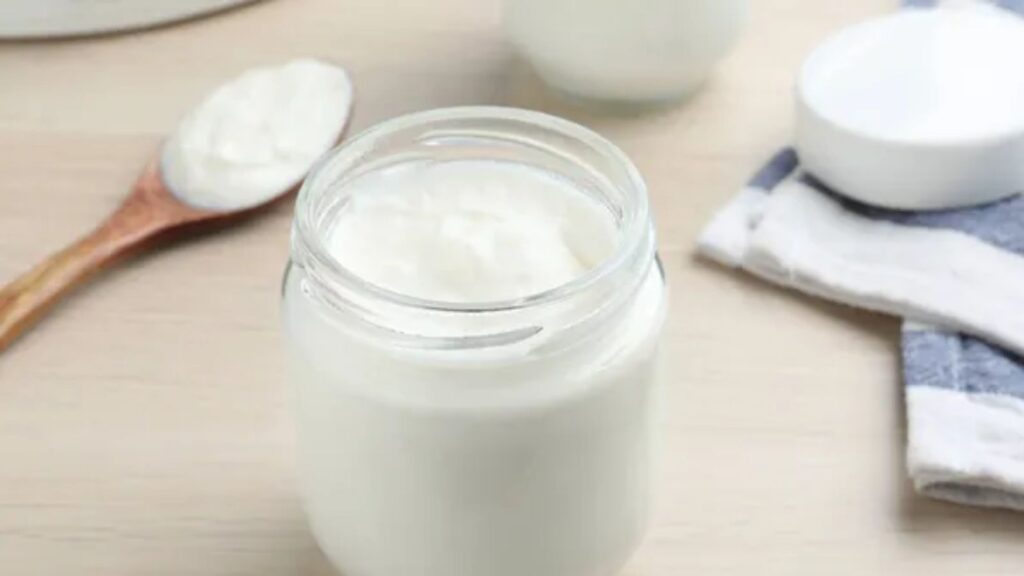
Yogurt often stays fresh longer than many people expect because the live cultures help slow the growth of unwanted bacteria.
An unopened container can frequently remain good for a week or two beyond the printed date if it has been kept refrigerated the entire time. Before eating, check for mold, an off smell, or excessive separation that doesn’t mix back together.
Related: 17 Foods With an Exceptionally Long Shelf Life
Dry Pasta
Dry pasta has a remarkably long shelf life. Stored in a cool, dry pantry inside a sealed container, it can often remain safe for one or even two years past the date on the package.
The main things to watch for are pantry pests, moisture damage, or mold. If none of those are present, your pasta is likely still good to cook.
Related: 15 Everyday American Foods That Are Restricted Abroad
Hard Cheeses
Hard cheeses like cheddar, Parmesan, and Gouda naturally last longer than soft cheeses because they contain less moisture.
If you notice a small spot of surface mold on a block of hard cheese, you can usually cut away at least an inch around and below the mold, then enjoy the remaining cheese. If it develops an unpleasant odor or unusual texture, it’s time to throw it out.
Eggs
Many people toss eggs far sooner than necessary. Eggs kept refrigerated can often remain safe for several weeks after the date printed on the carton.
A simple freshness test can help if you’re unsure. Place the egg in a bowl of water. Fresh eggs sink and lie flat, older eggs tend to stand upright, and eggs that float should be discarded. If an egg smells bad after cracking it open, don’t use it.
Frozen Vegetables
Frozen vegetables can stay safe for many months as long as they remain continuously frozen.
While freezer burn may affect their taste and texture, it doesn’t usually make the vegetables unsafe to eat. If they’re still frozen solid and the packaging hasn’t been damaged, they’re generally a reliable option long after the printed date.
Spices
Spices don’t usually spoil in the traditional sense. Instead, they gradually lose their aroma and flavor.
Ground spices often stay at their best for around two to three years, while whole spices can remain flavorful even longer. If your spices have little scent when you open the jar, they’re probably due for replacement, though they aren’t necessarily unsafe.
Bread
Most bread carries a “best by” date rather than an expiration date. If it hasn’t developed mold, it’s generally safe to eat after that date.
Stale bread can easily be turned into toast, breadcrumbs, stuffing, or croutons. If you won’t finish it quickly, freezing it helps extend its life for several months.
Chocolate
Chocolate keeps surprisingly well when stored in a cool, dry place away from heat and sunlight.
You may notice a white coating called chocolate bloom. While it changes the appearance and texture, it’s harmless and doesn’t mean the chocolate has spoiled. As long as it smells normal and has been stored properly, it’s usually safe to enjoy.
Peanut Butter
Thanks to its low moisture content, peanut butter has an impressive shelf life.
An unopened jar can often remain good for months beyond the printed date. Once opened, it will stay fresh longer if stored in the refrigerator, especially natural peanut butter. If it develops a rancid smell or unusual taste, it’s time to replace it.
Ketchup
Ketchup contains vinegar, which naturally helps preserve it.
After opening, it can often remain good for several months in the refrigerator. You may notice the color darken slightly or the flavor become less vibrant over time, but it’s generally safe as long as there’s no mold or unpleasant odor.
Mustard
Mustard is another condiment that keeps well because of its acidity.
It may gradually lose some of its sharp flavor after sitting in the refrigerator for several months, but it often stays safe well beyond the printed date. Keeping the lid tightly closed helps maintain its quality.
Rice
Uncooked white rice has one of the longest shelf lives of any pantry staple. Stored in an airtight container away from moisture, it can last for years.
Brown rice has a shorter shelf life because its natural oils can become rancid. Always check for unusual odors or signs of insects before cooking either variety.
Pickles
Pickles last a long time thanks to the vinegar used during the pickling process.
Once opened, keeping the jar refrigerated helps preserve both flavor and quality. If the liquid becomes cloudy, the lid bulges, or you notice mold or an unusual smell, it’s safest to throw the jar away. Otherwise, pickles often remain good for many months after the printed date.