Walk through an older house and you may come across things that make you stop and wonder what they were used for. A tiny door in the wall, a strange opening near the kitchen, a steeply angled window, or a built-in nook that no longer serves much purpose can tell you a lot about how people once lived.
Homes have changed along with heating, plumbing, refrigeration, electricity, and everyday routines. Features that once made perfect sense eventually became unnecessary as newer technology took their place.
Some of these old details have disappeared almost completely. Others are still hiding in older houses, waiting for a homeowner to recognize what they are. A few have even started showing up again in renovations because people like the character and practicality they bring.
Here are 17 home features that were once common but have largely faded from everyday houses.
Lath and Plaster
Before drywall became the standard, lath and plaster was one of the most common ways to finish interior walls and ceilings.
As Natasha Brinsmead, a home design expert at Home Building, explains, lath and plaster was used from the early 18th century through the mid-20th century, when drywall and other faster installation methods became more common.
The system used thin strips of wood covered with layers of plaster. It created solid walls and could provide good sound insulation, but installation took considerably more time and skilled labor than hanging drywall.
Older homes can still have beautiful plaster walls, though cracks and repairs can become a challenge as the house ages.
Related: 12 Warning Signs Your Home’s Insulation Needs Replacing
Coal Chutes
If you find a small metal door or opening leading into the basement of an older house, it may have been a coal chute.
Before other heating systems became widespread, coal was delivered to homes and moved through the chute into a basement storage area. From there, it could be fed into the furnace as needed.
Once heating systems switched to oil, natural gas, electricity, and other options, coal deliveries became a thing of the past. Many old houses still have these openings, though they may now be sealed, covered, or repurposed.
Dumbwaiters
Dumbwaiters were small lifts used to move food, dishes, laundry, and other items between floors.
They were particularly useful in large homes during the 19th and early 20th centuries. A meal could be sent from the kitchen to a dining room without someone having to carry a heavy tray up the stairs.
As household layouts changed and fewer homes employed live-in domestic workers, dumbwaiters became much less common. Some historic homes still have them, and a few have been restored for modern use.
Related: 10 Affordable Ways to Make Your Home Look More Inviting
Milk Doors
Before supermarket shopping became the norm, milk could be delivered directly to the house.
A milk door was a small exterior opening, often built into the wall near the kitchen. The delivery person could leave bottles inside without opening the main door.
Refrigerators and changing shopping habits eventually made these little doors unnecessary. In older homes, though, they can still be found tucked beside a doorway or beneath a kitchen window.
Witch Windows
Witch windows are unusual, slanted windows associated with older homes in parts of New England.
They’re sometimes called coffin windows because of the old story that the unusual angle made it possible to remove a coffin from an upper floor when the stairway or doorway was too narrow.
The actual reason for the design is still debated, and the folklore surrounding the windows has helped make them one of the more recognizable quirks of older New England houses.
Today, they’re mostly found in historic homes and older rural properties.
Related: 10 Budget-Friendly Cleaning Products You Can Make at Home
Clawfoot Tubs
Clawfoot tubs were once a familiar sight in well-appointed bathrooms.
Their freestanding design and decorative feet gave them a very different look from the built-in tubs found in many newer homes. As plumbing fixtures became easier to manufacture and install, built-in tubs and showers became more common.
Clawfoot tubs never completely disappeared, though. They remain popular in historic renovations and bathrooms that lean toward a vintage look.
Parlor Rooms
The parlor was the formal sitting room of many older homes.
It was often located near the front entrance and reserved for receiving visitors, entertaining guests, or displaying prized furniture and family belongings. It was a more formal space than the everyday family room found in many houses today.
As lifestyles became less formal, the parlor gradually gave way to living rooms, family rooms, open gathering areas, and multipurpose spaces.
Audrey Scheck, principal designer and founder of Audrey Scheck Designs, describes the parlor as a traditional sitting room located toward the front of the home.
In some older houses, the original parlor is still there, though its purpose may have changed.
Related: 12 Home-Buying Misconceptions That Can Lead to Costly Mistakes
Ice Boxes
Before refrigerators, households needed another way to keep food cold.
Ice boxes were insulated wooden cabinets, often lined with metal, that held large blocks of ice. Ice was delivered to homes regularly, and the melting ice kept food cool.
Once electric refrigerators became widely available, there was little reason to keep relying on deliveries of ice. The old ice box disappeared from everyday kitchens.
Antique versions can still be found in historic houses and among collectors.
Blade Bank Slots
This is one of those features that can leave modern homeowners completely puzzled.
Older homes sometimes had small slots built into bathroom walls or cabinets where used razor blades could be dropped. The blades would fall into the space behind the wall and remain there.
It made sense at a time when disposable metal razor blades were common and household waste systems were different. Today, these slots are largely forgotten, though a homeowner renovating an older bathroom may discover one behind a wall or cabinet.
Sleeping Porches
Before air conditioning became common, staying cool through a hot summer night could be a real challenge.
Sleeping porches offered a simple solution. These screened-in spaces allowed people to sleep outdoors while getting some protection from mosquitoes and other insects. They were particularly popular in warmer areas during the early 20th century.
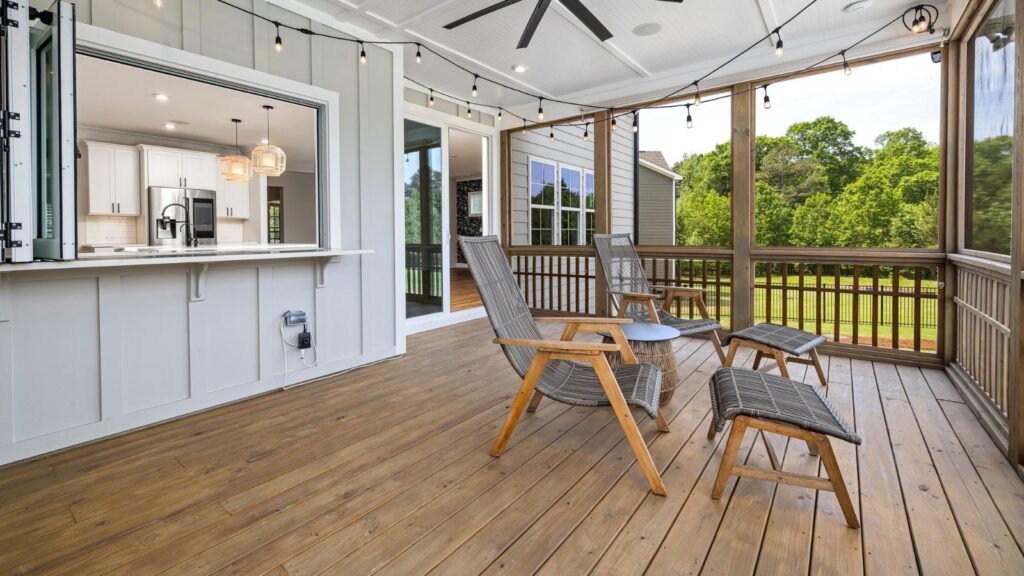
Air conditioning eventually made sleeping porches much less necessary. Still, some older houses retain them, and homeowners sometimes restore them as three-season sitting or sleeping spaces.
Laundry Chutes
Laundry chutes were a practical feature in larger homes.
Dirty clothes could be dropped through an opening upstairs and sent directly to a laundry room or collection bin downstairs. That saved people from carrying heavy baskets of clothing between floors.
They became less common as home designs changed and concerns about fire safety and building codes increased. You can still find them in some older houses, though many have been sealed or removed.
Phone Nooks
Before smartphones and cordless phones, the household telephone needed a permanent place to live.
Many older houses had a small shelf or alcove built specifically for the telephone. Some even had a spot underneath for the phone book.
Nita Stacy once described homes from her era as having these little phone nooks, which were considered a modern convenience at the time.
Today, the same space may hold decorations, keys, or nothing at all. The phone nook remains as a small reminder of a time when everyone knew exactly where the household phone was located.
Servants’ Quarters
Large homes built in the late 19th and early 20th centuries sometimes included separate rooms for live-in domestic workers.
These spaces could be located above the kitchen, near the back of the house, or on an upper floor. They often included small bedrooms and sometimes a separate bathroom.
As the use of full-time domestic staff declined, these rooms found new purposes. Many have since become guest bedrooms, offices, storage areas, or additional living space.
Their disappearance reflects how much household life has changed over the past century.
California Coolers
A California cooler was an early way to keep food cool without an electric refrigerator.
These ventilated cupboards were often built into kitchens or pantries, usually against an exterior wall. Openings allowed air to circulate, helping keep food cooler than the rest of the house.
They were especially useful in warm climates before electric refrigeration became widespread.
Today, California coolers are rare, but some remain in older homes. For homeowners interested in preserving historic kitchens, they offer a fascinating look at how people handled food storage before modern appliances.
Boot Scrapers
A boot scraper might be one of the easiest old home features to recognize.
These metal fixtures were often installed beside an entrance so people could scrape mud, dirt, and manure from their shoes before walking inside. They were especially useful when roads and sidewalks were unpaved.
As paved roads became more common and homes gained mudrooms, entry mats, and other ways to deal with dirty footwear, boot scrapers became less common.
Some older homes still have them attached near the front or back entrance.
Knob and Tube Wiring
Knob and tube wiring was widely used in American houses from the late 19th century into the early decades of the 20th century.
The system used ceramic knobs and tubes to support and protect electrical wires as they passed through walls and framing.
Modern electrical systems replaced it because they offer grounding and other safety features that older systems lack. The Electrical Safety Foundation International notes that knob-and-tube wiring is an ungrounded system and can present safety concerns.
If you discover knob and tube wiring in an older home, it’s a job for a qualified electrician rather than a DIY repair.
Wash Basins and Pitchers
Before indoor plumbing became standard, washing up often meant filling a pitcher with water and carrying it to a basin.
These sets were common in bedrooms and other areas where there was no running water. People could wash their hands and faces without making a trip outside or to another part of the house.
As indoor plumbing spread, sinks and bathrooms replaced the old basin-and-pitcher setup.
Today, these pieces are mostly found in antique shops, museums, historic houses, and homes decorated with vintage furnishings. They may look decorative now, but they once served a very ordinary purpose in daily life.