

Maintaining healthy arteries is vital for overall cardiovascular health. Clogged arteries can lead to heart disease, stroke, and other severe health conditions. According to the American Heart Association, heart disease has been the leading cause of death in the United States for nearly a century.
In The Journal of the American Medical Association, Dr. Mozaffarian states, “Suboptimal diet is the leading cause of death in the United States and is a key cause for cardiovascular disease.” Read on for 20 foods to help keep your arteries clear and your heart healthy.
Olive Oil

Olive oil has monounsaturated fats, which reduce LDL (harmful) cholesterol levels. Healthy fats can help improve heart health by promoting better blood lipid profiles. I
A study in the New England Journal of Medicine found that individuals on a Mediterranean diet, which includes olive oil, had a 30% lower risk of heart disease. Add it as a salad dressing or use it for light sautéing.
Nuts

Nuts like almonds, walnuts, and hazelnuts are commendable sources of omega-3 fatty acids. Omega-3 fatty acids are known to elevate good cholesterol while decreasing bad cholesterol.
According to a study published in the American Journal of Clinical Nutrition, regular nut consumption is associated with a 30% decline in the risk of cardiovascular diseases. For optimal benefits, snack on a handful of mixed nuts daily.
Berries

Strawberries, raspberries, and blueberries have antioxidants that reduce oxidative stress and inflammation in the arteries. National Institutes of Health reports show that consuming blueberries regularly can improve endothelial function and decrease blood pressure. Add them to your morning cereal, or enjoy them as a refreshing snack.
Fatty Fish

Fatty fish have omega-3 fatty acids, which help lower blood triglycerides and decrease plaque buildup in arteries. Additionally, fish provides a source of healthy protein, enhancing overall nutrition.
Researchers at the American Heart Association recommend eating fatty fish twice a week to support heart health. Salmon, mackerel, and sardines are good sources.
Avocado

Avocados are loaded with monounsaturated fats and potassium, which contribute to improved arterial health. Monounsaturated fats help lower harmful cholesterol levels, and potassium aids in regulating blood pressure.
A study in the Journal of the American Heart Association found that eating one avocado daily can lower LDL cholesterol levels. Spread avocado on toast or add slices to your salads and sandwiches.
Whole Grains
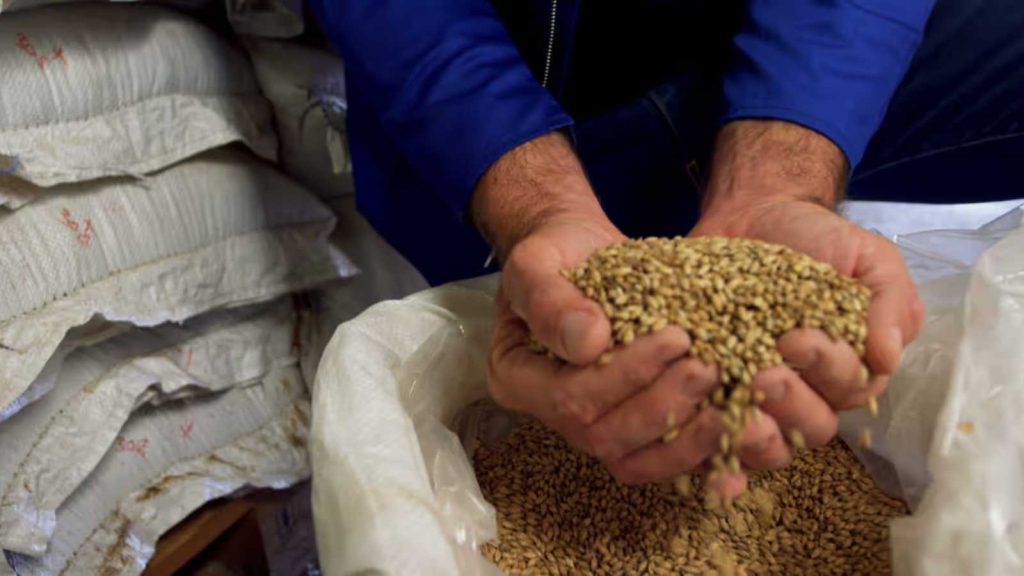
Whole grains like oats, brown rice, and quinoa are fiber-rich. Fiber in foods helps bind to cholesterol molecules in the digestive system, restricting their absorption into the bloodstream. This process encourages the body to use existing cholesterol to create new bile acids, lowering blood cholesterol levels.
According to research published in the British Medical Journal, individuals who consume more whole grains have a 21% lower risk of heart disease.
Leafy Greens
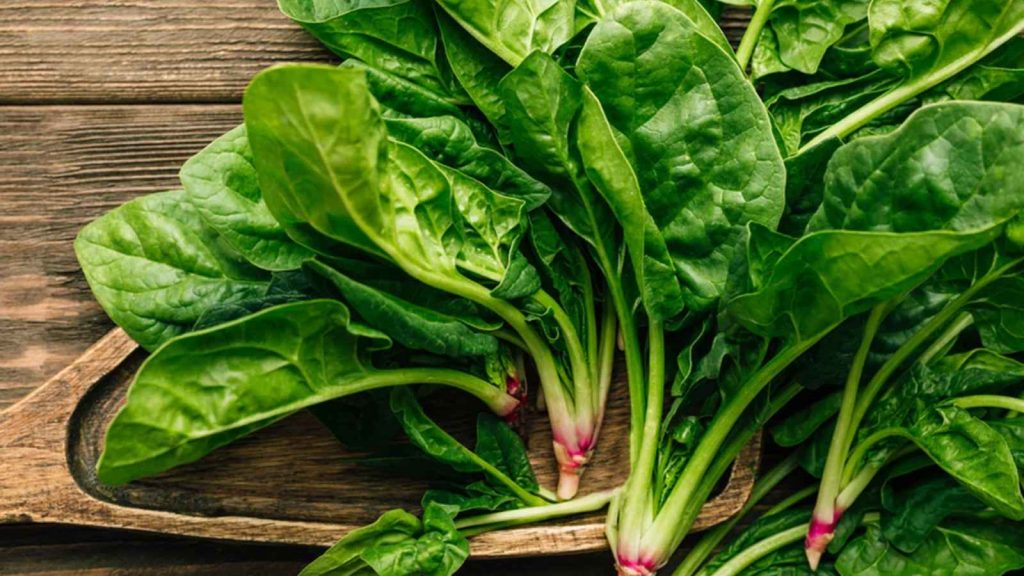
The American Journal of Clinical Nutrition states that increased consumption of leafy greens is linked to a reduced risk of cardiovascular diseases.
Spinach and Swiss chard have high vitamin K content, which helps prevent arterial calcification. Incorporate these greens into your diet with salads, smoothies, or as a side dish.
Citrus Fruits

A study published in the American Heart Association Journals indicates vitamin C can enhance endothelial function and lower blood pressure.
Citrus fruits like oranges, grapefruits, and lemons have high vitamin C content, which can reduce inflammation and improve arterial function. Enjoy citrus fruits as a snack, or juice them for a refreshing twist.
Red Grapes

Red grapes contain resveratrol, a compound that can protect the arterial walls from damage. A report by the National Institutes of Health states that resveratrol can impede the formation of arterial plaques. Snack on red grapes or enjoy a glass of red wine in moderation to reap these benefits.
Green Tea

Research from the Journal of the American College of Nutrition shows that regular green tea consumption can lower the risk of cardiovascular diseases. Enjoy a cup of green tea daily for a heart-healthy boost.
Green tea is rich in catechins. This antioxidant can improve blood flow and reduce cholesterol levels.
Turmeric

The Journal of Clinical Investigation reports that curcumin can limit arterial inflammation and prevent the buildup of arterial plaques. Turmeric contains curcumin and can improve arterial health. Add turmeric to your meals or tea for its heart-protective benefits.
Garlic
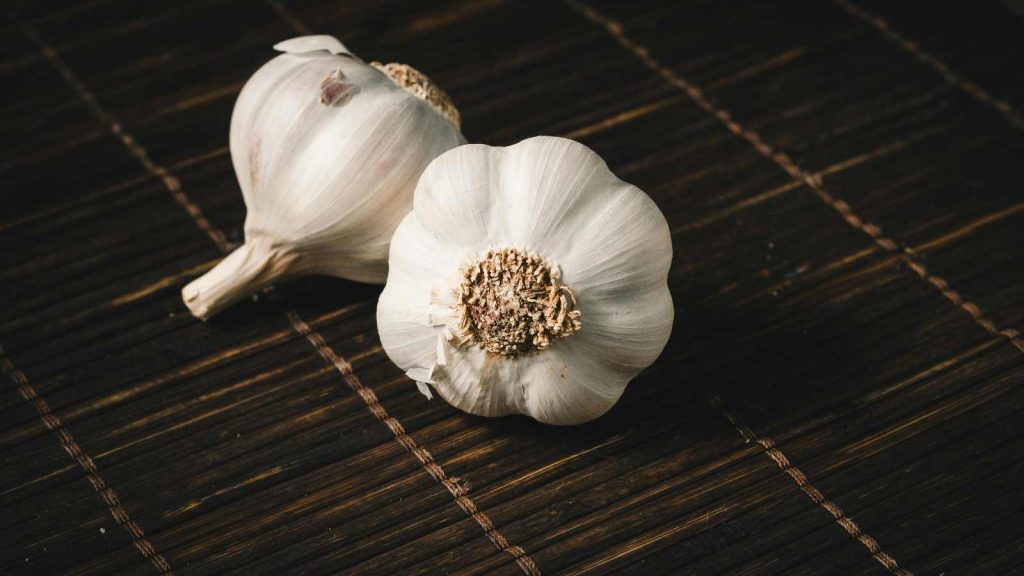
Garlic has been established to lower cholesterol levels and reduce blood pressure, contributing to healthier arteries.
A meta-analysis in the Journal of Nutrition found that garlic supplementation can significantly reduce LDL cholesterol levels. Incorporate fresh garlic into your cooking to take advantage of its health benefits.
Chia Seeds

Chia seeds are a viable source of omega-3 fatty acids and fiber, which can improve cholesterol levels and reduce inflammation.
The National Institutes of Health highlights that chia seeds can positively affect cardiovascular health. Add chia seeds to your smoothies or oatmeal for a nutritious boost.
Tomatoes
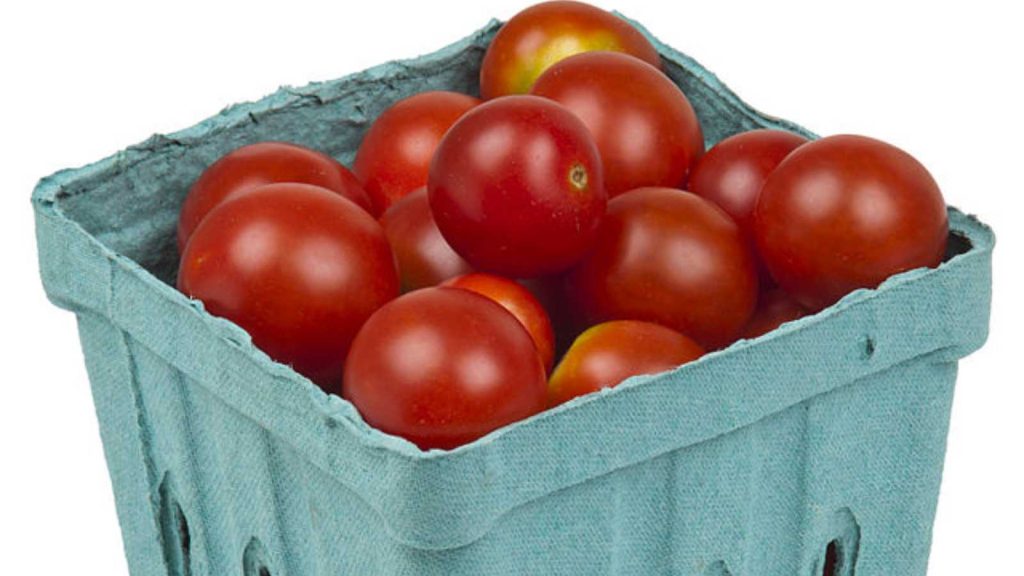
Tomatoes have lycopene, an antioxidant that can reduce the risk of heart disease. A study by Cambridge University found that higher lycopene levels are associated with lower arterial stiffness. Enjoy tomatoes in salads, sauces, or soups to benefit from their heart-healthy properties.
Pomegranate
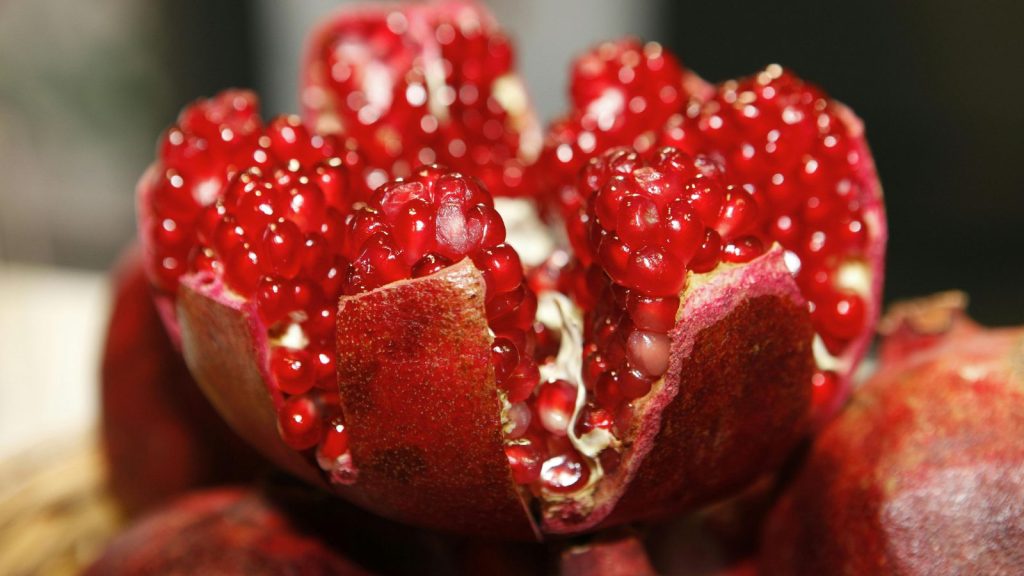
The National Institutes of Health reports that pomegranate juice can reduce arterial plaque and improve blood flow. Pomegranates have antioxidants that can improve arterial health and boost nitric oxide production, which helps relax blood vessels. Enjoy pomegranate seeds as a snack, or drink the juice for a refreshing treat.
Legumes

Legumes such as beans, lentils, and chickpeas are high in protein and fiber, which can lower cholesterol levels and improve heart health. A report by the Semantics Scholar shows that legume consumption is associated with a reduced risk of cardiovascular diseases. Incorporate legumes into your meals for a heart-healthy diet.
Broccoli
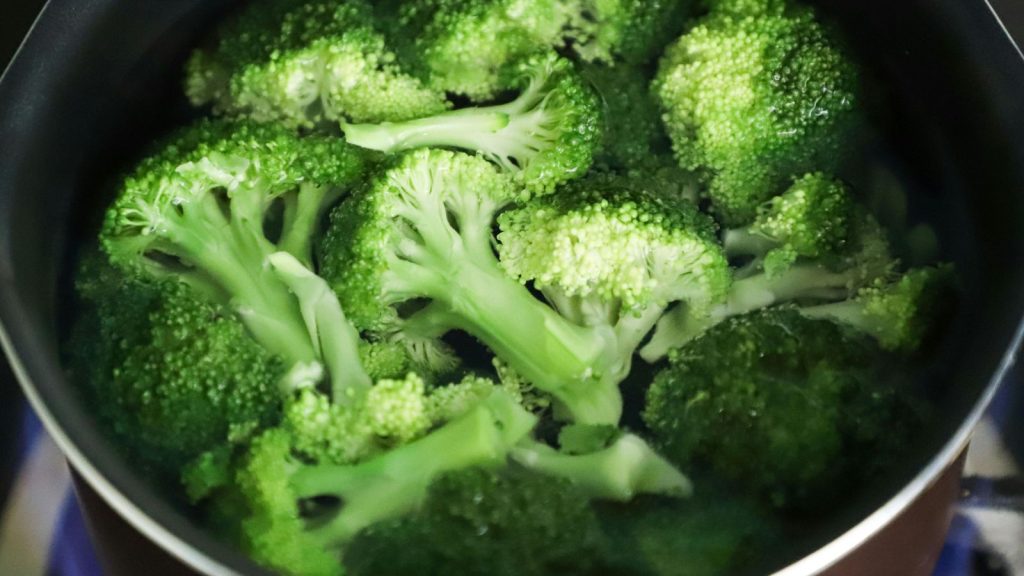
Research published in the Journal of Biological Chemistry indicates that sulforaphane can reduce inflammation and prevent arterial plaque buildup.
Broccoli contains sulforaphane, a compound that can protect arteries from damage. Eat broccoli as a side dish or stir-fry to reap these benefits.
Asparagus

The National Institutes of Health suggests that asparagus can limit arterial stiffness and improve blood flow. It is also a good source of fiber, folate, and antioxidants, all contributing to arterial health. Enjoy asparagus steamed, roasted, or grilled as part of a balanced diet.
Dark Chocolate
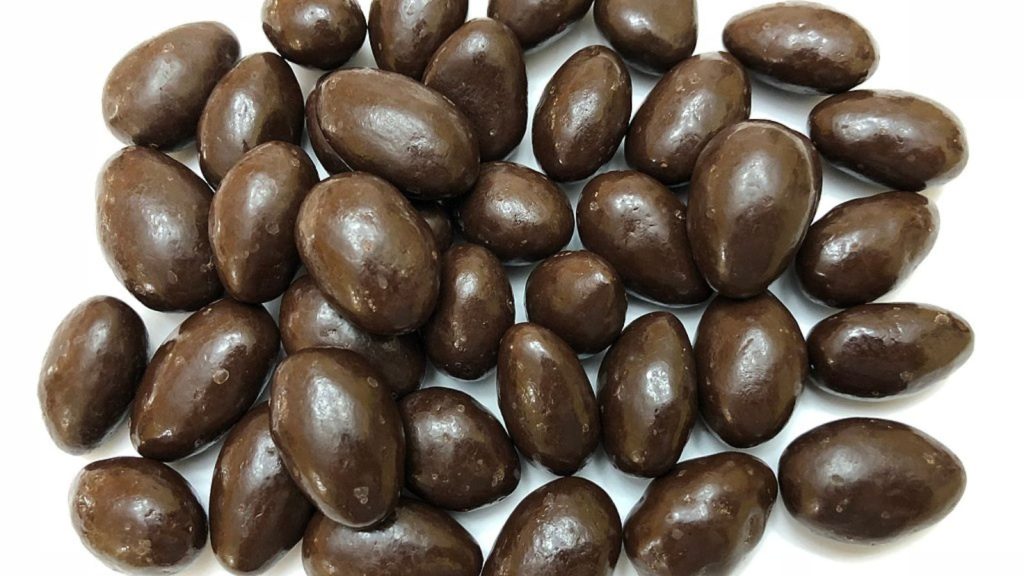
Dark chocolate has flavonoids, which improve blood pressure and cholesterol levels. A study published by Cambridge University found that dark chocolate consumption is associated with improved arterial function. Enjoy a small piece of dark chocolate as a heart-healthy treat.
Onions
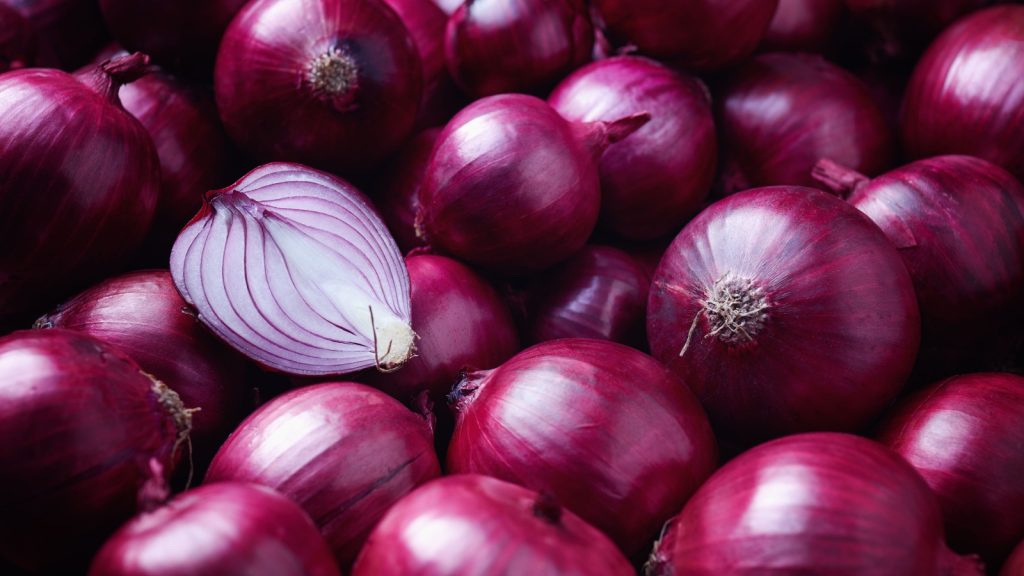
Research in the American Journal of Clinical Nutrition indicates that quercetin may help lower blood pressure and reduce cholesterol levels, contributing to cardiovascular health.
Onions are rich in antioxidants and flavonoids, particularly quercetin, and are known for their anti-inflammatory properties and ability to promote heart health. Incorporate onions into your meals by adding them to salads, soups, or stir-fries to enjoy their flavor and health benefits.