

Dietary patterns in the US have transformed in recent decades due to the availability of fast food, marketing, and cultural shifts. The American diet is predominantly calorie-heavy and nutrient-poor, driving up the rates of obesity. The CDC estimates that some 36 percent of adults in the US are obese.
Studies indicate that less than one-tenth of adults get the amount of fruits and vegetables recommended for their age (2–3 cups). These are 22 foods everyone believes are healthy, but aren’t.
Granola

Most retail granola brands contain added sugars and oils, which add hundreds of calories. A report by the Environmental Working Group says that some granola packs up to 9 teaspoons of sugar per cup, which is nearly half the daily level recommended by the American Heart Association for healthy adult women.
A typical serving of granola can be as high as 200 calories, most of which come from sugar and fat. Choose low-sugar or unsweetened, or better yet, make your own. Making it yourself gives you control of the components, with whole oats, nuts, seeds, spices, and a touch of natural sweeteners such as honey or maple syrup.
Flavored Yogurt

The American Heart Association says that women and men should have a maximum of 25 grams of sugar and 36 grams per day, respectively. Rather astonishingly, one scoop of some popular flavored yogurt can add more than 20 grams of sugar, almost your entire day’s supply, to a single meal.
It is preferable to eliminate choices by eating simple, non-sweetened yogurt. Plain yogurt, rich in protein and calcium, also allows you to add natural sweeteners like fresh fruit, honey, or granola. Greek yogurt, for example, has a firmer texture and more protein content, making it a nutrient-rich snack without added sugars.
Smoothies

It does not exclude fresh produce (fruits and vegetables). Yet most commercial smoothies are as high in sugar as a can of Coke and can even make up nearly half of a daily caloric requirement. These spikes in sugar risk weight gain and metabolic disorder, far from the supposed health benefits.
It starts with a base of green leafy vegetables, such as spinach or kale, that mix well and are not overpowering. You can add whole fruits in small quantities (berries or an apple) for natural sugar and fiber. Add protein — such as G — to make it more nutritious.
Dried Fruit

They’re loaded with vitamins, minerals, and fiber. But when the fruit is dried, it gets rid of water, making it more calorie-rich. The USDA says a cup of fresh grapes packs around 62 calories; the same amount of raisins (dry grapes) racks up to 500.
Some dried fruits are soaked in sulfur dioxide, which can trigger allergic reactions in people with sensitive skin. Instead, you can try air-drying fruit at home without sugar added. Fresh fruit is always better since it’s naturally low in calories and higher in water content, which promotes satiety.
Energy Bars

Energy bars are usually healthful because they contain nutritious ingredients such as oats, nuts, and dried fruits. However, other energy bars contain up to 10 times as much sugar as an ordinary candy bar—some reach 20 grams or more per serving. Dr. Marion Nestle, a nutritionist, advises looking closely at ingredient lists, as many bars include a lengthy list of unrecognizable ingredients, which is a sign of an industrialized product.
A handful of almonds, bananas, or even homemade trail mix provides all-natural nutrition with just the correct ratio of protein, good fat, and complex carbs, with no hidden sugars or fillers.
Gluten-Free Products

According to the Celiac Disease Foundation, gluten-free products are essential for people with celiac disease, which accounts for about 1% of the US population. However, most gluten-free options substitute refined grains like rice or corn instead of wheat flour, leaving you with less fiber, vitamins, and minerals.
Gluten-free items typically have added sugar and fat to make them more flavorful and smoother—hence, they are more calorie-rich. Some products may even have higher arsenic content, especially those made from rice. Invest in whole food sources that are naturally gluten-free, like quinoa, amaranth, or buckwheat.
Agave Nectar

Agave nectar, famous for its low glycemic index, was said to be the best drink for blood sugar control. But 70–90% of agave nectar is fructose — much more than the average in high fructose corn syrup (55%).
Massive amounts of fructose have been associated with obesity, liver damage, and insulin resistance. Pure maple syrup or raw honey is a great choice, providing less refined antioxidant protection. In addition, stevia and monk fruit sugars offer no-calorie alternatives.
Fat-Free Salad Dressings

They don’t remove fat, but manufacturers often add sugar, salt, and artificial preservatives to sweeten things up. Fat in our diet plays a crucial role in ensuring our bodies absorb nutrients like fat-soluble vitamins A, D, E, and K, so if you go for fat-free versions, you might be denying yourself these essential vitamins.
A National Institutes of Health report states that poor fat intake directly impacts vitamin absorption. To make your dressing, choose an oil such as olive or avocado, high in heart-healthy monounsaturated fats. Use these oils in place of balsamic or lemon juice for a simple, refreshing substitute for sugar.
Fruit Juices
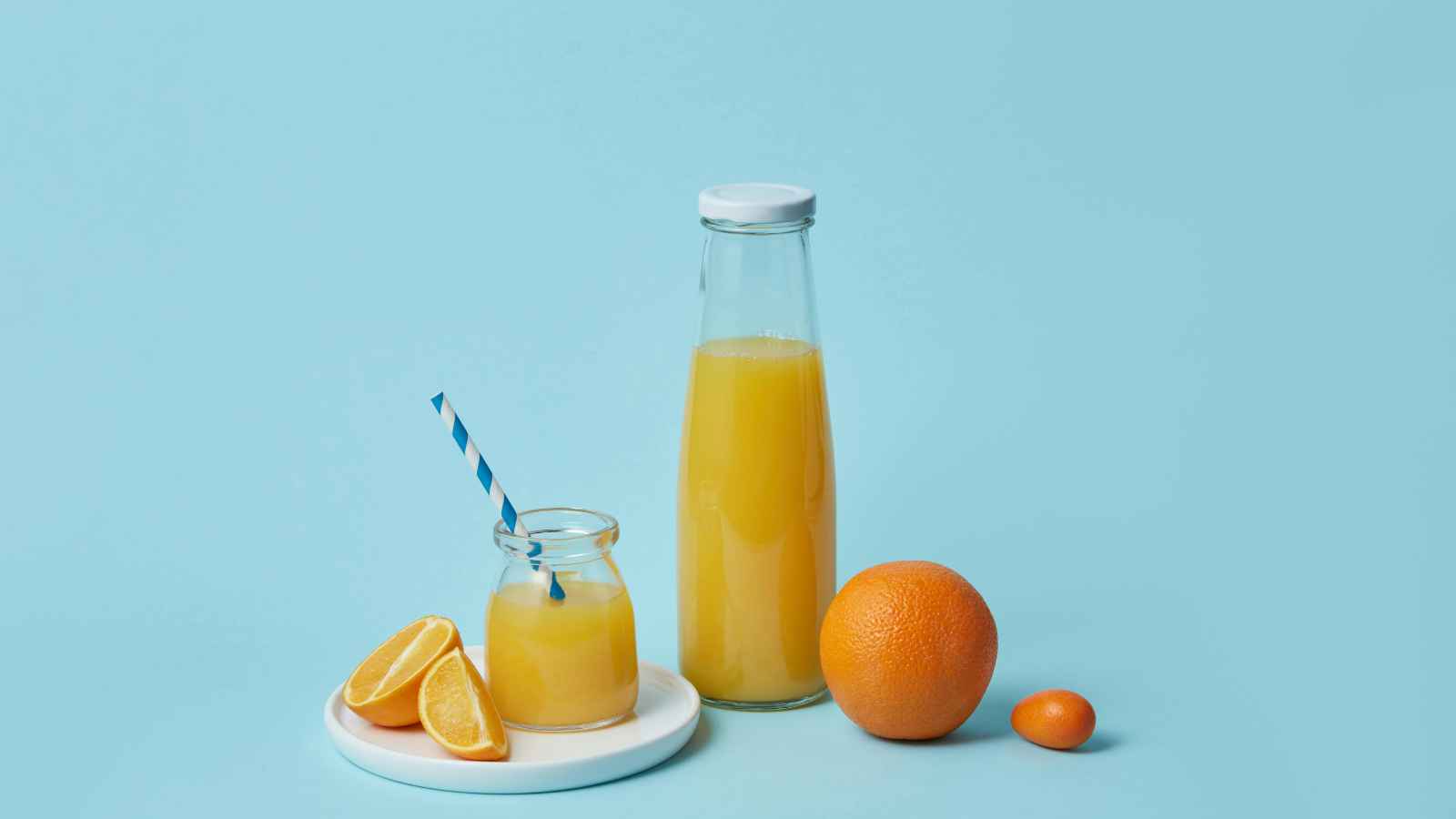
Juices do have some vitamins and antioxidants. But they are also chock-full of sugars with little fiber to offset them. Diet soda or 100 percent fruit juice is about 110 calories and 20–26 g of sugar in a cup (240 ml).
According to the American Academy of Pediatrics, juice intake should be moderated to avoid these risks, especially for young children (4- 6 ounces for 4-6 years). You could switch to healthier alternatives like infused water or fruit-based smoothies instead of fruit juices.
Sushi Rolls

The average sushi roll contains white rice, which is less fibrous than brown rice. It may also be sweetened with sugar and rice vinegar, which can add unnecessary calories. Popular condiments like tempura (deep-fried dishes), mayonnaise sauces, and imitation crab (surimi) also have high calories and fat.
According to MyFitnessPal, a California Roll comprising imitation crab and mayonnaise has over 300 calories. Compared to raw salmon nigiri (around 72 calories per serving), we can appreciate how fast calories rack up with such additions. Better choices are sashimi or nigiri, usually made from mostly fish and some rice.
Low-Fat Peanut Butter

They’re not as fatty. But they upsell it by stuffing it with sugar and other additives to make it taste and feel good. (The USDA notes that the typical two-tablespoon amount of reduced-fat peanut butter can have up to 4 grams of added sugar or about one teaspoon.)
Additionally, most low-fat brands contain hydrogenated oils, which can put you at greater risk of heart disease. You are better off with natural peanut butter, just nuts and salt. This version doesn’t compromise all the healthy fats and oils your heart and body need.
Sports Drinks

Sports drinks are great for athletes doing intense training for over an hour or so, but they are pretty much unneeded for anyone jogging moderately. An average 20-ounce can of a popular sports drink can have up to 34 grams of sugar, about nine teaspoons.
Moreover, the salts (electrolytes) present in sports drinks, like sodium and potassium, can be unnecessary and even poisonous for those who do not exercise extensively. For the majority of us, a healthier alternative is simply water. Add cubes of citrus, berries, or cucumbers. Besides, coconut water contains natural electrolytes with fewer calories and sugars.
Diet Soda

Often touted as a healthy beverage, diet sodas are non-calorie or low-calorie drinks made from artificial sweeteners such as aspartame, sucralose, or saccharin. Adults who consumed more than one artificially sweetened drink per day had an 18% greater risk of metabolic syndrome and associated conditions than people who did not overindulge at all.
You can also try sparkling water infused with fruit extracts or add a bit of lemon juice to keep your carbonation addiction in check without breaking your body. Organic Iced Teas and natural Herbal Teas are refreshing, hydrating, and delicious.
Trail Mix

Commercial trail mixes contain so many chocolatey delights, sweetened fruits, and fried nuts that they turn a healthy snack into a caloric crash. The USDA recommends that a typical trail mix pack contain as much as 20 grams of sugar and 200 milligrams of sodium—an amount that might be counterproductive to diet goals.
The bait is almost always the dried fruits in the mix. Make it yourself and choose what you put in: raw nuts, unsweetened dried fruits, and sunflower or pumpkin seeds provide that nutrition without the bloat.
Coconut Water

According to the US Department of Agriculture (USDA), a standard 8-ounce glass of coconut water contains about 44-60 calories and 9-12 grams of sugar, depending on the brand. The beverage should be avoided if you have kidney disease or are advised to take very low potassium.
Dr Lawrence Cheskin of Johns Hopkins University also states that coconut water’s electrolytes won’t counter the need for intense workouts. Some other better choices would be regular water with a splash of lemon or other fruit infusions to give it a taste, but without the sugars.
Bran Muffins

Bran sounds wholesome. But an average store-bought or processed bran muffin is likely more than 350 calories and more than 20g of sugar per cup – too much. Also, refined flours and inferior oils tend to be added to ready-made bran muffins, which take away most of the nutrition.
You can control what you’re making—use whole grain flour, natural sweeteners such as honey or mashed bananas, and heart-healthy oils like olive or canola.
Canned Soup
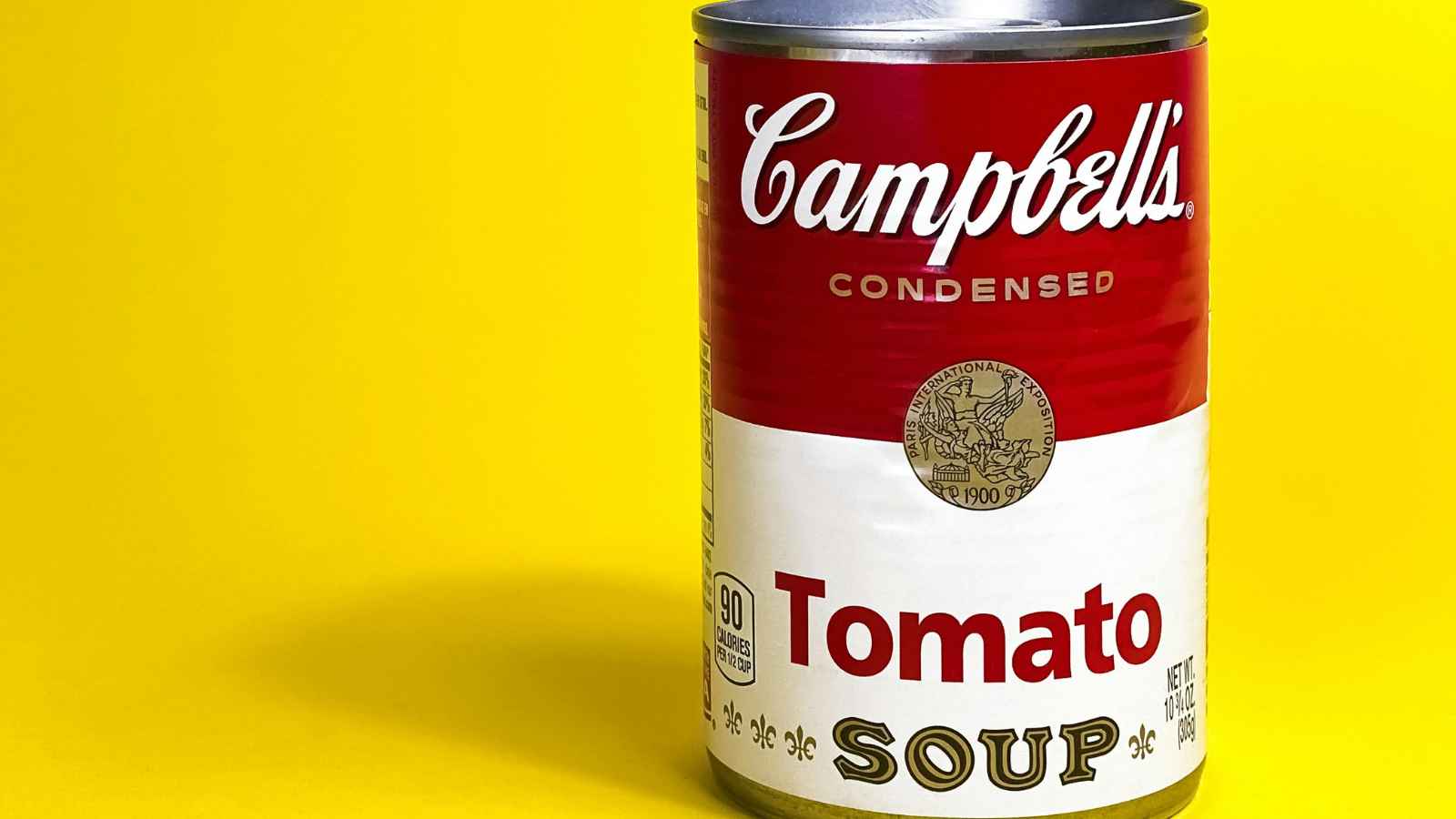
The main issue with canned soup is the salt; according to a study from the Centers for Disease Control and Prevention (CDC), one serving can include up to 30% (700 mg) of the recommended daily sodium intake. High sodium levels also put people at higher risk for hypertension and heart disease.
Ingredients like monosodium glutamate (MSG) can improve flavor and contribute to health concerns. Try making your own with fresh or low-sodium broth and using a lot of veggies and lean meats.
Protein Powders

There’s an impression that these convenient supplements are the path to muscle and increased nutrition, partly due to constant ads and evangelism by fitness influencers. In 2018, the Clean Label Project reported that the majority of popular protein powder brands contain heavy metals such as lead and mercury, BPA, pesticides, and other contaminants.
These can be health-threatening when inhaled for a long time. They don’t usually contain the other nutrients whole foods do—fiber, vitamins, and minerals. You will have the protein and other nutrients needed for a healthy life when added to other foods such as Greek yogurt, quinoa, lentils, or nuts.
Frozen Yogurt

Quite understandably, people come running to the fro-yo stand with bowls in hand to pile up on a whole bowl of this apparently nutritious confection. But appearances are deceptive. Dana Kofsky, a California-based nutritionist, notes that some commercial frozen yogurt brands have an estimated 17 grams of sugar in each half-cup serving — pretty much the same as a half-cup of regular ice cream.
Fro-yo still has some probiotics in it, though thawing can seriously deplete these live cultures. Then there are those gobs of toppings — candy bits and syrupy things — that add even more calories and sugar. Try sour cream or Greek yogurt. It is high in protein, low in sugar, and can be sipped with fresh fruit for a little natural sweetness.
Vegetable Pizza

The real problem is almost always the crust, cheese, and sauces you eat with these vegetables. One slice of a typical vegetable pizza can contain 250 calories and more than 800 milligrams of sodium. The crust is usually refined white flour, which has little nutrition and causes blood sugar surges.
Instead, try preparing your own vegetable pizza with a whole-grain or cauliflower crust that is higher in fiber and nutrients. Choose low-fat cheese or at least a mild alternative cheese and a tomato sauce free of sugars.
Bottled Green Tea

Even a glass of bottled green tea may contain more than 20g of sugar (about five teaspoons), which accounts for most of your total daily sugar intake. The American Heart Association recommends consuming 25 grams of added sugar daily for women and 36 for men.
According to a study in the “Journal of Food Science,” some green teas in bottled form only have a small fraction of the good catechins found in brewed tea. All you have to do is steep high-quality green tea in hot water for 3-4 minutes. Squeeze some lemon or honey over the top for a natural sweetness.