

Avoiding certain foods can be difficult, especially when they are designed to taste good and are easily accessible. However, there’s often confusion about which foods are genuinely harmful and which might cause discomfort for specific individuals.
“It’s important to understand that foods like dairy and wheat are common allergens, and some people don’t tolerate them well,” says Julie Andrews, M.S., R.D.N., a Wisconsin-based dietitian and nutrition consultant. “But that doesn’t mean they are bad for everyone.” Read on to discover the 17 “healthy” foods experts warn could harm your health.
Fruit Canned in Syrup

Fruit is often viewed as a healthy, natural snack, but canned fruit in syrup can have hidden dangers. According to Amy Gorin, M.S., R.D.N., a nutritionist, these products often contain added sugars, especially when stored in light or heavy syrup. Fruit is naturally sweet, and the extra sugars in syrup significantly increase the calorie count without offering additional nutritional benefits.
Gorin suggests choosing canned fruit stored in 100% fruit juice or water containing no added sugars. Always reading labels carefully helps ensure you’re choosing a healthier option.
Vegetable Shortening
Vegetable shortening is a common ingredient in baking, but it has risks. Julie Andrews, M.S., R.D.N., a dietitian, explains that this product contains hydrogenated oils and artificial trans fats. These oils are made by adding hydrogen to liquid vegetable oils, turning them solid at room temperature.
This process also makes the oils harmful to health, as they can raise LDL cholesterol (the “bad” cholesterol) while lowering HDL cholesterol, increasing the risk of heart disease. Andrews advises using real butter in moderation as a healthier alternative, as it contains no trans fats and has a better nutritional profile.
Non-Dairy Coffee Creamer

Non-dairy coffee creamers are a popular substitute for milk or cream, but they contain unhealthy ingredients. Julie Andrews notes that many of these creamers contain hydrogenated oils, which, as mentioned earlier, are trans fats contributing to heart disease. Some creamers are made with high-fructose corn syrup, which has been linked to increased liver fat and other metabolic issues.
Artificial sweeteners in some of these products can also lead to digestive problems. A healthier alternative would be plant-based creamers, like almond or oat milk, or organic creamers made from grass-fed cows, which provide a more natural option without unhealthy additives.
Diet Soda

Diet soda is considered a healthier alternative to regular soda because it uses artificial sweeteners instead of sugar. However, Shonali Soans, M.S., R.D., C.D.N., warns that these sweeteners, particularly aspartame, can be more harmful than sugar in the long run. While they may help reduce calorie intake, artificial sweeteners have been linked to gastrointestinal issues and may increase the risk of diabetes.
There’s also ongoing research into whether artificial sweeteners could be linked to more severe health conditions like cancer. Rather than switching to diet soda, Soans recommends reducing soda altogether and replacing it with healthier options, such as water or flavored sparkling water.
Low-Fat Peanut Butter
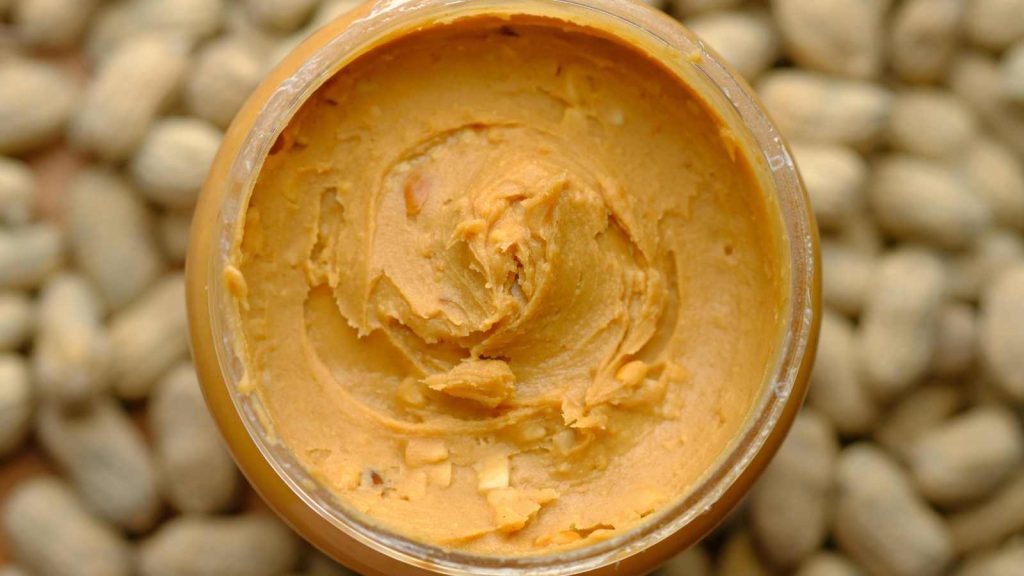
Low-fat peanut butter may sound smart, but it can be misleading. Amy Gorin explains that when the fat is removed from peanut butter, manufacturers often add sugars and fillers to compensate for the loss of flavor and texture. This practice can negate the health benefits typically associated with peanut butter, naturally rich in healthy unsaturated fats that support heart health.
The fat in peanut butter is one of the reasons it’s considered a nutritious snack. When choosing peanut butter, Gorin recommends looking for products that contain only peanuts, a small amount of oil, and a little salt for the best nutritional profile. Keeping the fat intact gives peanut butter a more satisfying, long-lasting energy.
Tilefish

Amy Gorin cautions against eating tilefish, which contains high levels of mercury. Mercury can accumulate in the body over time and lead to mercury poisoning, causing neurological and developmental problems. This mainly concerns vulnerable groups such as pregnant women, children, and individuals who eat seafood regularly.
Gorin recommends fish like salmon or sardines, which are lower in mercury and offer additional benefits, such as omega-3 fatty acids, which are known to support heart health and cognitive function.
White Flour-Based Cereal
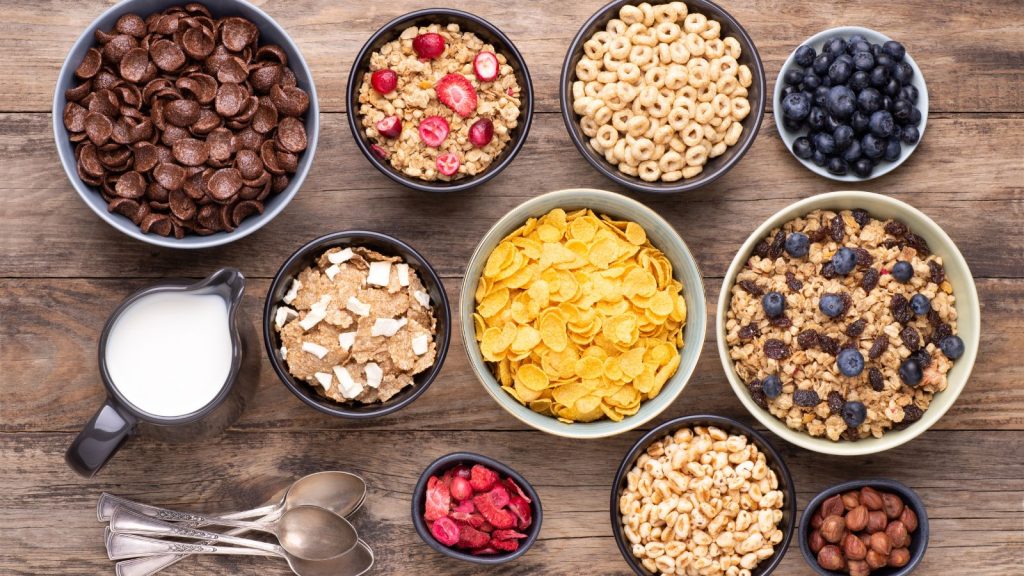
Many popular breakfast cereals are made with white flour, which offers little nutritional value. White flour is a refined carbohydrate that is digested faster, leading to increased blood sugar levels and an energy crash. This can leave you tired and irritable, craving more refined carbs throughout the day.
Instead of these cereals, which often also contain added sugars, Andrews suggests opting for high-fiber cereals like bran flakes. These healthier options provide more sustained energy, help keep you fuller for longer, and support overall digestive health.
Non-Organic Strawberries

Strawberries are delicious and nutritious, but non-organic strawberries are often heavily treated with pesticides. Shonali Soans explains that these pesticides can act as endocrine disruptors, interfering with the body’s hormonal systems and leading to serious health issues, including thyroid problems and hormonal imbalances, particularly for women.
Buying organic strawberries is recommended to minimize pesticide exposure, especially if you eat them frequently. Organic strawberries are grown without harmful pesticides, making them a safer and healthier choice.
Salami

Salami and other processed meats are high in saturated fat and sodium, which Julie Andrews points out can increase the risk of heart disease. Salami contains sodium nitrites, which have been linked to inflammation and other chronic health issues.
Processed meat can lead to high blood pressure, making it a less-than-ideal choice for frequent consumption. They can be enjoyed occasionally. However, Andrews recommends choosing leaner proteins like chicken or turkey, which are lower in fat and sodium and offer more health benefits for daily meals.
Juice Cocktails

Juice cocktails are often labeled to appear healthy, but they’re usually loaded with added sugars. Amy Gorin highlights that these added sugars provide unnecessary calories and contribute to weight gain, obesity, and other metabolic issues. Unlike 100% fruit juice, which contains the natural sugars found in fruit, juice cocktails often have little fruit and mainly consist of water, sugar, and artificial flavors.
A better option would be to choose 100% fruit juice, but even then, moderation is essential because fruit juice still contains naturally occurring sugars. Diluting juice with water can help reduce sugar intake while enjoying its flavor.
Packaged Donuts

Packaged donuts may seem convenient, but Julie Andrews warns that they are packed with unhealthy ingredients. Made from refined flour and often deep-fried, donuts contain trans fats, which raise bad cholesterol and lower good cholesterol, contributing to heart disease.
The refined carbohydrates in donuts cause spikes in blood sugar, leading to energy crashes and cravings for more sugary foods. Eating them sparingly is best. A healthier alternative might be whole-grain muffins or fruit, which provide more nutrition and sustained energy.
Pre-Made Dough

Pre-made dough products are a convenient solution for baking. Julie Harrington, R.D., explains that many contain hydrogenated oils high in trans fats. These trans fats increase LDL cholesterol and reduce H.D.L. cholesterol, increasing the risk of heart disease and stroke.
Harrington advises against pre-made dough and encourages making your dough at home. Homemade dough made from whole grains or natural fats offers a healthier alternative without harmful additives. It also allows you to control the ingredients, ensuring better nutrition for your baked goods.
Packaged Butter-Flavored Popcorn

Although packaged butter-flavored popcorn may seem harmless, Lorraine Kearney, N.D.T.R., C.D.N., points out that it often contains artificial flavorings and chemicals. The microwaveable bags used for this type of popcorn can release chemicals that cause inflammation in the body, and the butter flavoring is typically artificial.
Popcorn is a healthy, low-calorie snack when made at home with natural oils, such as olive oil, and seasoned with herbs and spices. You can avoid unhealthy additives and enjoy a satisfying, tasty, nutritious snack by making popcorn.
Instant Noodles

Instant noodles are a convenient meal option, but they have significant health risks. Shonali Soans explains that these noodles are high in sodium and contain monosodium glutamate (M.S.G.), a flavor enhancer that can stimulate appetite and lead to overeating. The excessive sodium content in instant noodles contributes to high blood pressure, increasing the risk of heart disease.
A healthier alternative would be to prepare noodle dishes at home using whole-grain noodles and fresh vegetables, which provide more nutrients and help reduce sodium intake. This way, you can enjoy the convenience of noodles without compromising your health.
Artificial Sweeteners

Although artificial sweeteners are often promoted as a healthier alternative to sugar, Shonali Soans warns that they may have unintended negative consequences. Artificial sweeteners can contribute to digestive issues and may even increase the risk of developing metabolic disorders such as diabetes.
Using natural sweeteners such as honey or maple syrup in moderation is better than artificial sweeteners. These natural alternatives contain beneficial nutrients, and while they should still be consumed sparingly, they’re a healthier choice than artificial options that can disrupt metabolism and digestion.
Table Salt
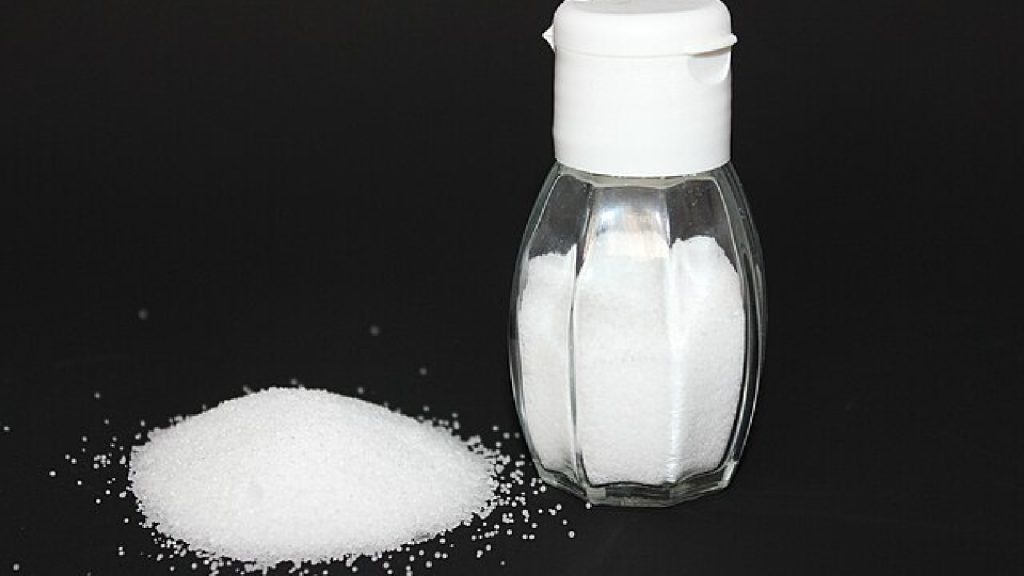
Table salt is a staple in many kitchens. Julie Andrews notes that it’s highly processed and stripped of beneficial minerals. It is often heavily refined and contains anti-caking agents without nutritional value.
Andrews suggests using sea salt or Himalayan salt, which contains trace minerals such as magnesium and potassium. These minerals can support overall health and provide more flavor with less sodium. Using less processed salt helps reduce the risk of high blood pressure while still adding taste to your meals.
Packaged Gelatin

Packaged gelatin is often used in desserts and snacks. Julie Harrington says that it contains artificial colors and flavors. Some artificial additives have been linked to hyperactivity in children and other health concerns, making gelatin a less-than-ideal option for regular consumption.
Making homemade gelatin using real fruit juice and natural sweeteners is healthier. You can avoid artificial ingredients and enjoy a dessert free of harmful chemicals, which offers some nutritional benefits.