A slow drain is one of those household problems that starts small and gets annoying fast. The water takes longer to disappear from the sink, the shower floor starts collecting water around your feet, or the bathroom sink seems to need several minutes before it finally empties.
Hair, grease, soap residue, food particles, and other debris can collect inside pipes and gradually restrict the flow. A UK Drainage Habits 2022 Survey found that 97% of people were concerned about putting the wrong things down drains or toilets, while 65% admitted to pouring fat or oil down the sink.
Commercial drain cleaners are one option, but they contain strong chemicals that can be rough on certain plumbing materials and aren’t something everyone wants to use regularly. Several simple household items can help with minor slowdowns and light clogs. Here’s what you can try before reaching for a chemical cleaner or calling a plumber.
Baking Soda and Vinegar
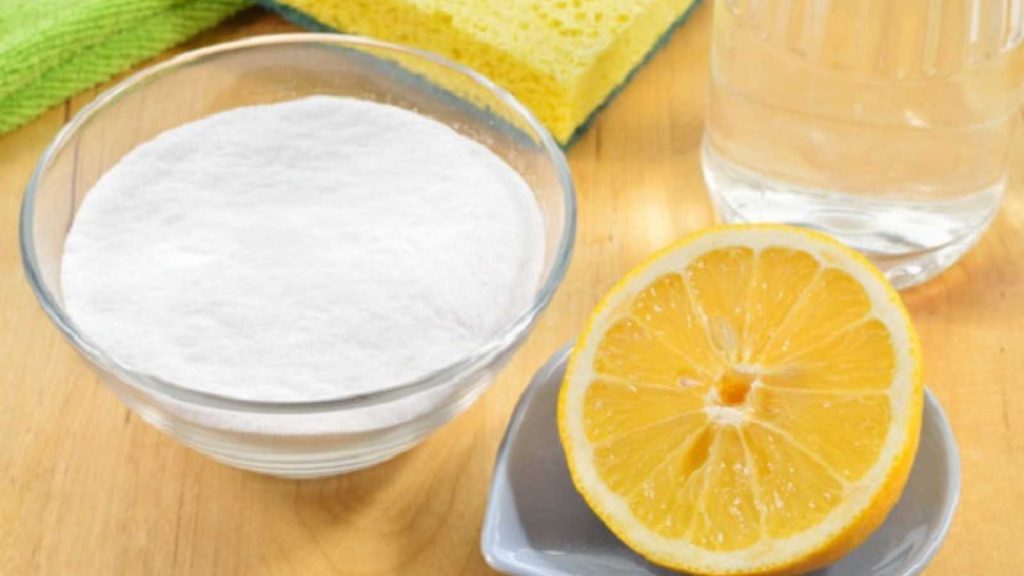
Baking soda and vinegar are two of the most common pantry ingredients used for a slow drain. When they meet, they fizz and create a reaction that can help loosen grease, soap residue, and bits of organic material.
Start by pouring about one cup of baking soda into the drain. Follow it with one cup of vinegar, then cover the opening and let the mixture sit for about 15 to 20 minutes. Finish by rinsing the drain with hot water.
This method works best on light buildup rather than a completely blocked pipe. The fizzing action can loosen residue, while baking soda’s mildly abrasive texture can help with some deposits.
Related: 13 Unexpected Ingredients Your Laundry Needs!
Boiling Water
A pot of hot water can be surprisingly useful for a kitchen sink that drains slowly because of grease or soap residue. Heat can soften fatty buildup and help wash loose debris farther down the pipe.
Pour the hot water slowly rather than dumping it all in at once. Giving the water time to move through the drain can help it reach buildup farther down the pipe.
Use caution with plastic plumbing and follow the temperature recommendations for your particular pipes. If you’re unsure what type of plumbing you have, use very hot tap water instead of freshly boiled water.
Salt and Hot Water
Salt can provide some mild scrubbing action, while hot water helps loosen greasy residue. This combination is better suited to minor buildup than a serious blockage.
Mix about half a cup of salt with two cups of hot water and stir until the salt has mostly dissolved. Pour the mixture into the drain and let it sit for a few minutes before rinsing with more hot water.
It won’t remove a large obstruction, but it can be useful for a drain that has started slowing down.
Dish Soap and Hot Water
Dish soap is made to cut through grease, which makes it a handy choice for a sluggish kitchen sink. Grease can cling to the inside of a drainpipe and collect food particles over time.
Add a couple of tablespoons of dish soap to a container of hot water and pour it slowly into the drain. Give it several minutes to work before rinsing with more hot water.
If the sink still drains slowly, try using a plunger afterward. The combination can be more useful than relying on dish soap alone.
Lemon Juice
Lemon juice contains citric acid, which can help loosen light mineral deposits, soap residue, and some greasy buildup. It also leaves behind a fresh citrus smell, which is a nice bonus for a drain that has started to smell.
For a simple treatment, pour about one cup of baking soda into the drain, followed by half a cup of lemon juice. Let the mixture sit for around 15 minutes before rinsing with hot water.
This is better suited to light buildup than a deep clog. It can also be useful as an occasional drain freshener.
Plunger
A plunger is one of the simplest tools to keep under the kitchen or bathroom sink. It doesn’t rely on chemicals at all. Instead, the pressure created by plunging can loosen a blockage or move it through the pipe.
For a sink, use a cup-style plunger and add enough water to cover the bottom of the cup. Press the plunger firmly over the drain opening and pump it several times.
Try several short rounds of plunging rather than one long attempt. If the water suddenly begins draining, run some water through the pipe to wash away loose debris.
Wire Hanger
A straightened wire hanger can sometimes help pull hair and other material from a shallow bathroom drain. Hair is one of the biggest causes of slow shower and bathroom sink drains, and it often traps soap residue along the way.
Straighten the hanger and bend one end into a small hook. Carefully place it into the drain and pull upward rather than pushing the material farther down the pipe.
This method works best when the blockage is close to the drain opening. Be gentle so you don’t scratch or damage the inside of the pipe.
Wet/Dry Vacuum
A wet/dry vacuum can be useful for stubborn clogs that are close enough to the drain opening to reach. The suction can pull out hair, food debris, and other material that a plunger may leave behind.
Set the vacuum for wet pickup if you’re dealing with standing water. Create as tight a seal around the drain opening as possible with an appropriate attachment, then use short bursts of suction.
Remove any standing water and debris afterward. This method requires a suitable wet/dry vacuum, so don’t use an ordinary household vacuum for this job.
Hydrogen Peroxide
Three-percent hydrogen peroxide can help with some organic residue and can also freshen a drain. It is milder than many commercial drain products, though it still needs to be handled carefully.
For a basic treatment, combine half a cup of 3% hydrogen peroxide with baking soda and pour it into the drain. Let it sit for about 15 minutes before rinsing with water.
Never mix hydrogen peroxide with other household cleaners unless the product instructions specifically say the combination is safe. Mixing cleaning chemicals can create dangerous reactions.
Enzymatic Cleaners
Enzymatic drain cleaners work differently from traditional chemical products. They use enzymes or microorganisms to break down organic material such as food residue, grease, and other buildup.
They’re often used as a maintenance treatment rather than as a solution for a completely blocked drain. Follow the directions on the product, since waiting times and amounts vary between brands.
These cleaners can be a useful choice for households that want to reduce their use of harsh chemical drain products. They may also help with drain odors caused by organic buildup.
Coca-Cola
Coca-Cola has become a popular home remedy for light drain buildup because it contains phosphoric acid. Its acidity can help loosen certain mineral deposits and residue.
Coca-Cola for clearing clogged drains
Pour a can into the drain and let it sit for about an hour before rinsing with hot water. This trick is best reserved for light buildup. It isn’t a substitute for a plunger or plumbing repair when a drain is seriously blocked.
Alka-Seltzer Tablets and Vinegar
Alka-Seltzer tablets contain ingredients that fizz when they come into contact with liquid. Adding vinegar creates another reaction that can loosen light residue and help with unpleasant drain odors.
American Chemical Society: The fizzing reaction behind Alka-Seltzer
Drop two tablets into the drain, add about one cup of vinegar, and cover the opening. Let the mixture sit for 10 to 15 minutes before rinsing thoroughly with hot water.
This method is best for minor buildup rather than a solid blockage.
Cream of Tartar
Cream of tartar can be combined with baking soda and salt to make a mild powdered cleaner. The mixture can help scrub away some residue inside the drain while the hot water carries loosened material away.
New Mexico State University: Cream of tartar information
Mix a quarter cup of cream of tartar with baking soda and salt. Pour the mixture into the drain, then follow with hot water.
This remedy is better suited to light residue and routine cleaning than a severe clog. If water is barely moving through the pipe, a plunger or drain snake is a better choice.
Bleach
Bleach can kill bacteria and help with certain organic residue, but it isn’t a cure for every slow drain. It also needs to be handled with care.
Never mix bleach with vinegar, ammonia, or other cleaning products. The Washington State Department of Health warns that mixing bleach with other chemicals can produce dangerous fumes.
Washington State Department of Health: Bleach safety
If you choose to use bleach, follow the directions on the product label and use plenty of ventilation. Avoid making repeated bleach treatments a routine solution for a persistent clog. A blockage that keeps returning may need to be removed rather than treated with chemicals.
Ice and Rock Salt
Ice and rock salt are more useful for cleaning a garbage disposal than for treating an ordinary sink or shower drain. Ice can help knock loose residue inside the disposal, while rock salt provides some abrasive action.
How to clean a garbage disposal with ice
Place a handful of ice cubes and a few tablespoons of rock salt into the disposal. Run the disposal with cold water for around 30 seconds, then continue rinsing with cold water.
This can help remove greasy residue and food particles from the disposal chamber. It won’t clear a blockage farther down the plumbing, so a recurring slow drain may need a different fix.
A slow drain doesn’t always mean you need a bottle of heavy-duty cleaner. Sometimes the problem is a small amount of hair, grease, soap residue, or food buildup that can be removed with a plunger or a simple household remedy.
If several methods fail, the water backs up quickly, or more than one drain in the home is slow at the same time, the problem may be farther down the plumbing system. That’s a good point to stop experimenting and have the drain inspected.