According to the Zillow Home Value Index, U.S. home prices fell 0.03% month-over-month between July 2024 and August 2024. Owning a home is often seen as one of life’s most significant investments. But imagine, after years of painstaking mortgage payments, discovering that your property’s value has plummeted.
What could have gone wrong? In the realm of real estate, a multitude of factors can affect your home’s worth, and it’s not just about having an in-ground pool or the best curb appeal. Let’s explore these hidden culprits that could stealthily devalue your home—and how to tackle them.
Proximity to Noise Sources

Living near a highway or an airport may seem a palatable exchange for convenience, but the constant buzz of traffic or aircraft may lead even buyers to rethink the deal. So noise pollution isn’t just an annoyance — it can take a big bite out of making your home desirable.
Soundproofing, however, may just be your friend if you get yourself into this situation. The solution may be installing double-glazed windows or landscaping with noise-reducing measures.
Undesirable Facilities Nearby
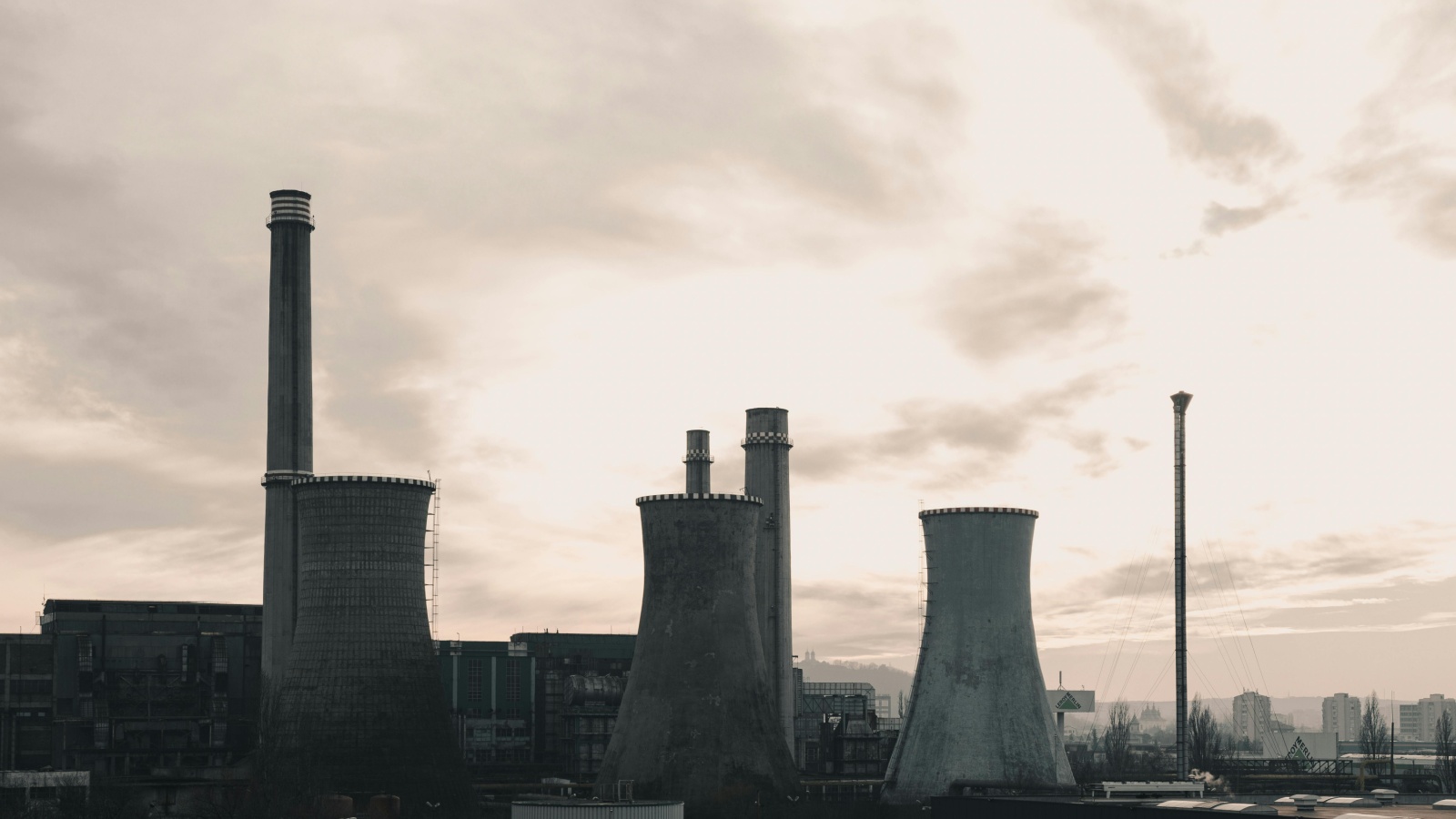
Yes, that gorgeous home with a landfill or power plant around the corner might be cheaper, but it can lower your property’s value. Increasingly, buyers are on guard against possible health risks and unappealing sights or smells associated with such facilities.
Buying your next property could be easier by having your finger on local development plans that might have you slipping up on these potential pitfalls.
High-Crime Areas

Safety first! This mantra isn’t just about personal health per se … it’s also about property value. Buyers, as a result, generally find homes in high-crime areas less appealing, thereby making selling at a reasonable price difficult.
Positive steps you can take to keep your home’s value include investing in a good security system or working with local communities to make a neighborhood safer.
Structural Damage and Foundation Problems

Character may describe a house, but if the foundation is shaky, so will the purchasers of that house. Structural damage can turn buyers off faster than you can say “renovation.” This disaster can be averted by regular inspections and timely repairs.
If you’re buying, make sure to invest in a good home inspection before you purchase in order to avoid surprises.
Mold or Pest Infestations
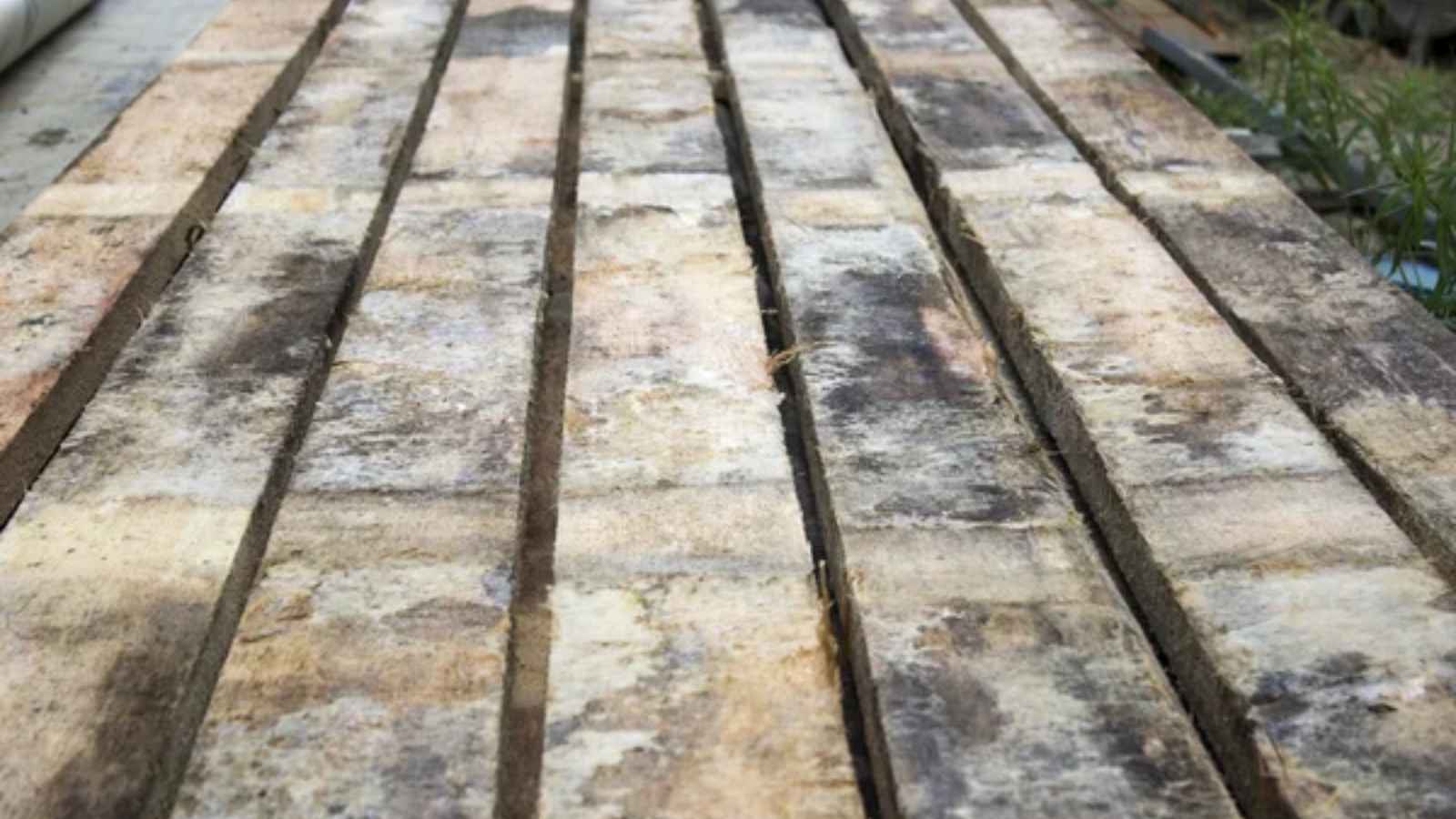
Mold in a closet or termites in a basement is a deal breaker. Professional remediation of these issues quickly not only protects your health, but also the long-term marketability of your home. Prevention is better than cure, so routine checks are priceless.
Roof Troubles

In so many ways, a leaking roof is a bad thing. Not only does it worsen over time and cause you to spend money on repairs, but it also reduces the value of your home. Maintaining a roof using routine roof inspections and maintenance will help you capture signs of problems before growing into costly catastrophes that can damage your home and its value of your home.
The National Association of Realtors suggests a new roof can boost value by up to 15-35%.
Local Real Estate Market Conditions
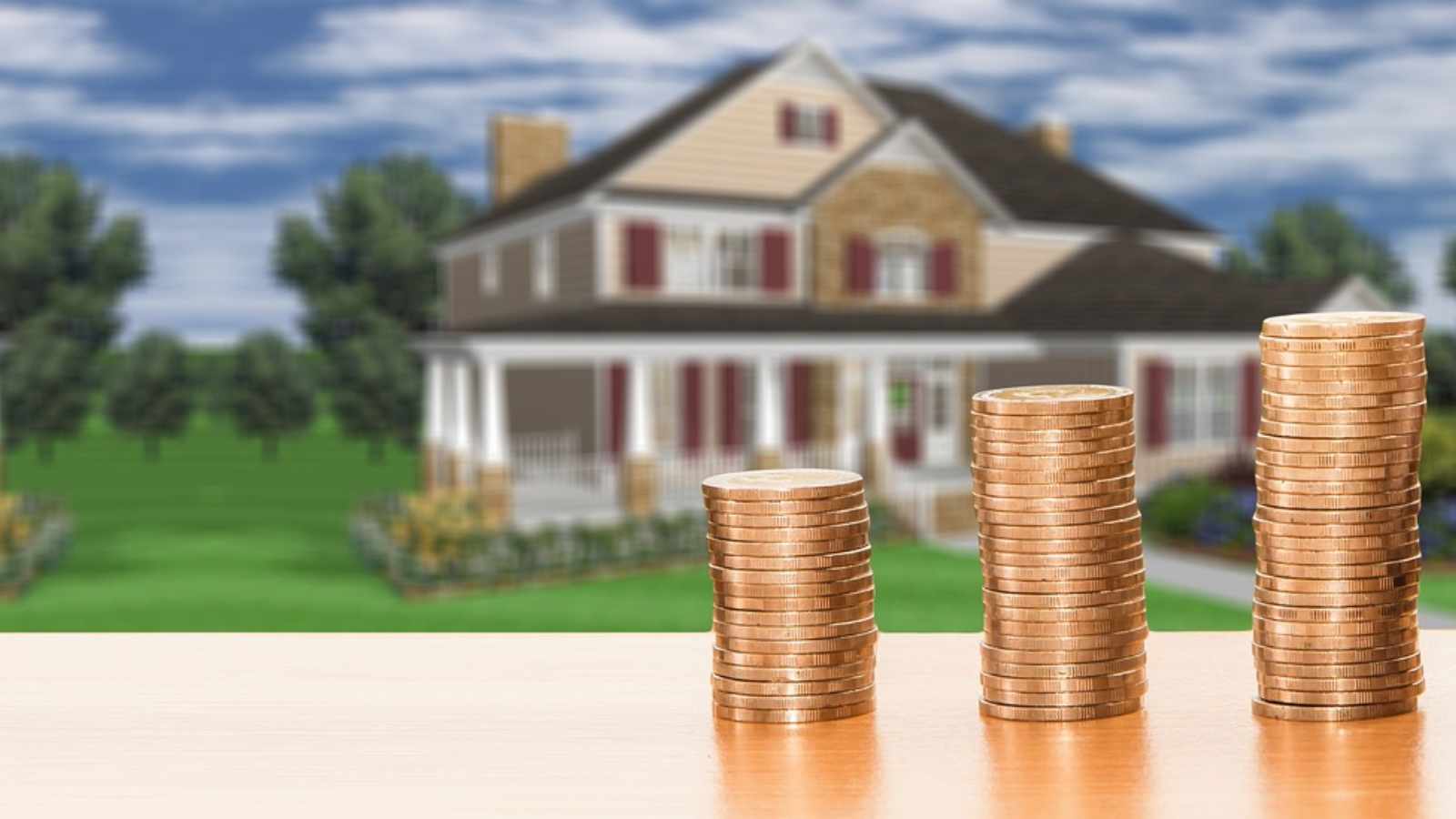
The real estate market ultimately rises and falls. When it does, so do the values of homes.
Staying in the loop with local market trends could help you make sound decisions regarding buying, selling, or holding onto properties. Timing is everything, and sometimes patience is just the key you need when it comes to a buyer’s market.
High Interest Rates
Buying power goes down when interest rates go up. In other words, it can mean fewer buyers and lower offers on your property.
You can actually time (or better, anticipate) your sale or purchase based on economic movements and overall financial trends.
Nearby Foreclosures

Foreclosed homes in a neighborhood are enough to sink your property value. If these homes fetch below market value, they affect comparable sales, and your home’s perceived worth will also be lowered. A study by the Federal Reserve Bank of Cleveland found foreclosure depressed the value of homes within 260 feet by nearly 1 percent.
But there’s one proactive approach to address these issues–to work with local community groups or entities.
Neglected Repairs
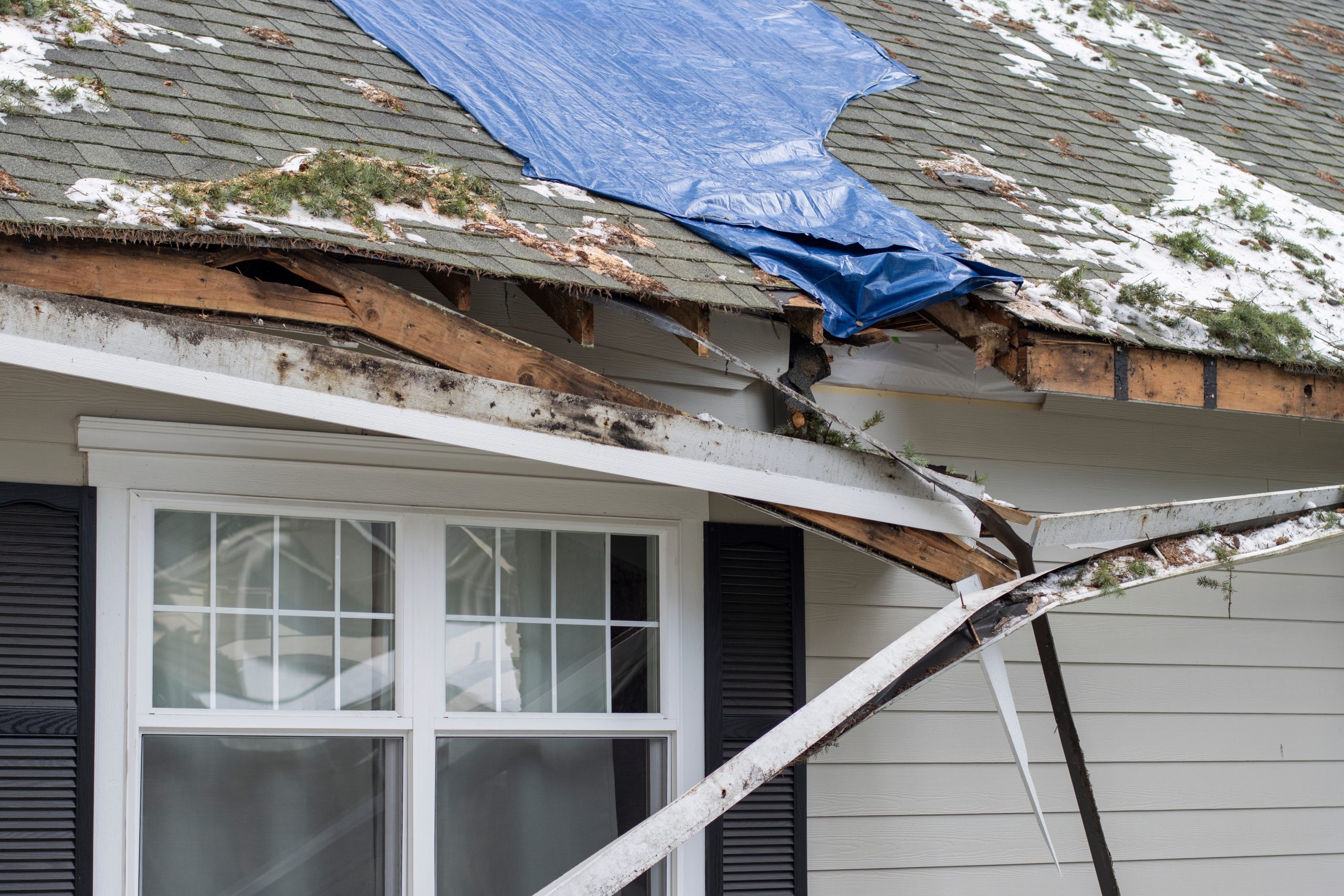
The problem starts small but can snowball into a big devaluation. But unattended maintenance issues – dripping taps to creaky floorboards – will chip away at the allure of your home.
Do routine upkeep and deal with little issues early on to avoid them from growing into big panic issues?
Outdated Systems
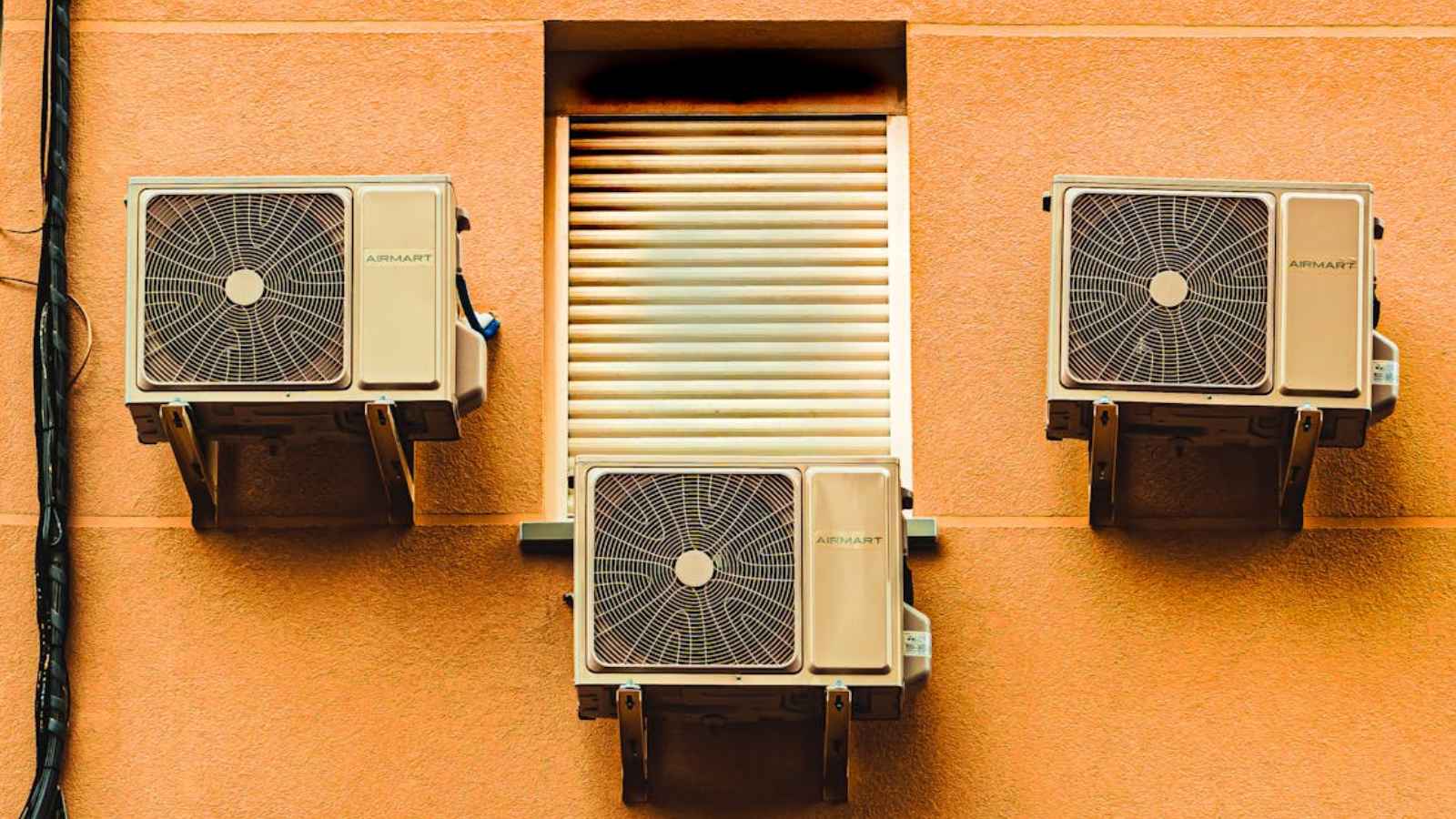
Of course, old HVAC, plumbing, or electrical systems in your home can make it seem less appealing and more expensive to maintain.
Besides improving comfort and efficiency, upgrading these systems can bring huge value to your home. See these updates as key investments that will bear fruit when it comes time to sell.
Haphazard Renovations
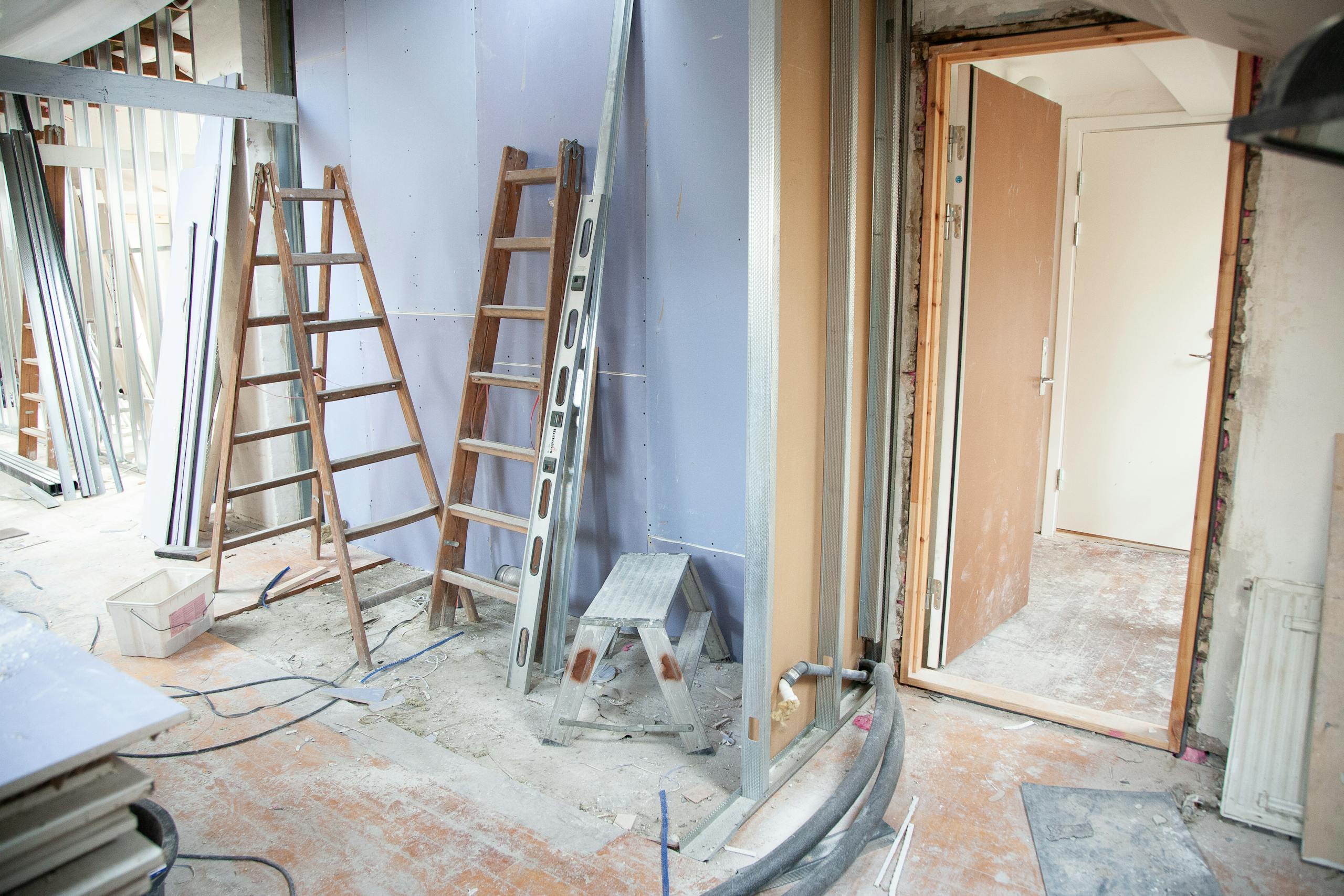
It’s tempting to do it yourself on that kitchen remodel, but poor quality or unpermitted renovations can do more harm than good. Not only do they reduce the value of your house, but they can also become legal problems in the future.
For big projects, you always need to use qualified pros and make sure that all the necessary permits are in order.
Flood-Prone Locations

If, say, your home has had a history of flooding, it makes prospects to move on to higher ground.
This problem can be mitigated by investing in flood defenses and proper drainage systems that protect the value of your home. Homes that have been flooded may experience a decrease in value of 15% to 50% or more.
Natural Disaster Risks

Home values can decline due to earthquakes, hurricanes, and wildfires. While you can’t change your location, you can bolster your home’s resilience through upgrades like earthquake retrofitting or fire-resistant landscaping.
Environmental Contamination
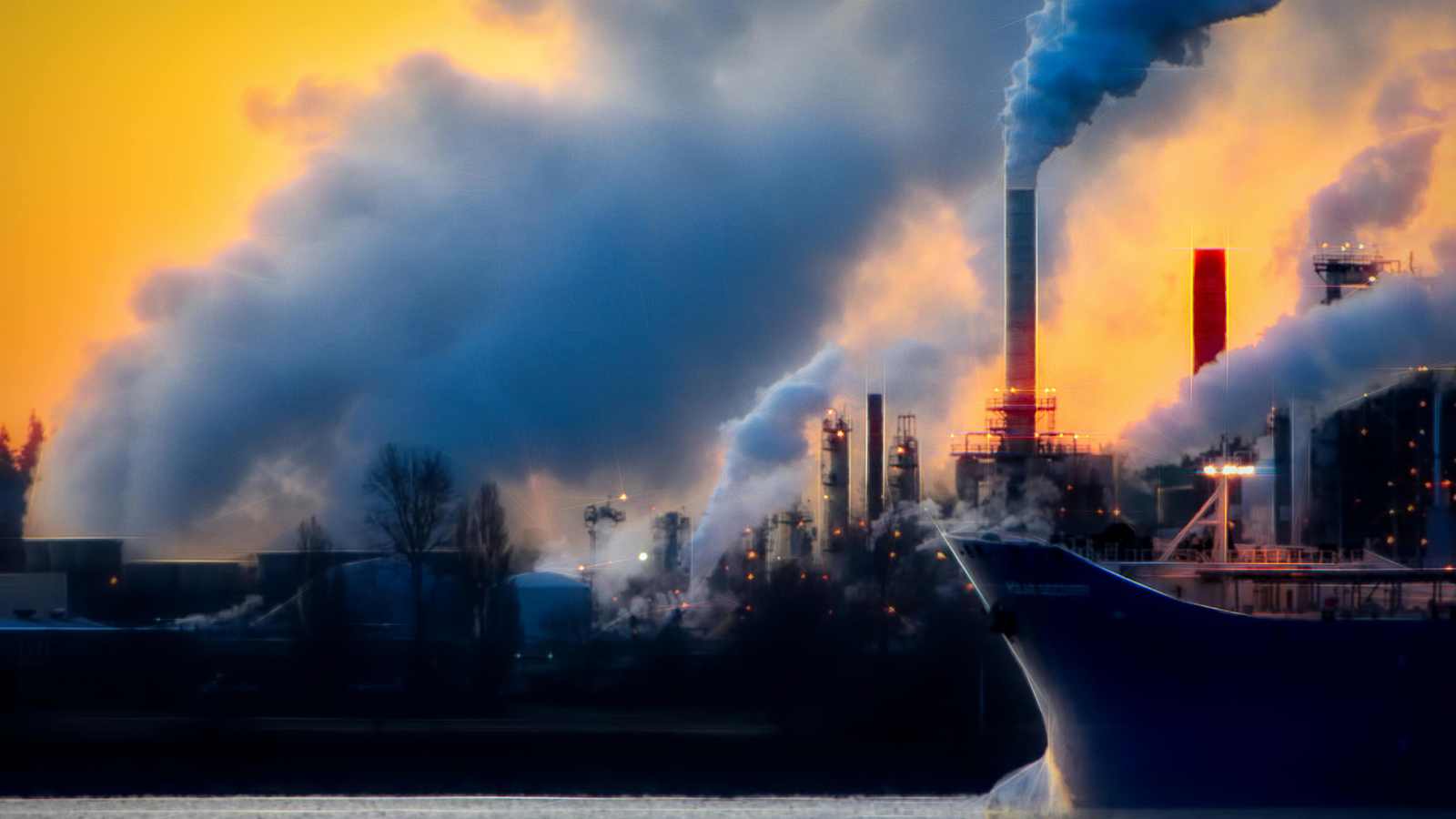
Simply being near a contaminated site can cause the value of a home to plummet. But if it affects your property, you must work with an environmental professional to assess and hopefully remedy it.
Both awareness and disclosure are necessary for selling.
Problematic Neighbors

Love thy neighbor unless they’re keeping your buyers away. From loud parties to unsightly yard debris, bad neighbors can make your home unsaleable.
Diplomacy (or small fences) might be your best bet in improving relations and your property’s allure.
Declining School Quality

For families, school quality is important. Local school performance can have a negative impact on home values. Get involved in community education boards and support local schools, improving educational standards and property values.
Lack of Amenities

Wherever you live, the fewer amenities you have, the harder it is to entice buyers. By investing some time in local community groups that advocate for having parks, shops, and cultural places to gather, you can help drive up the value of your home.