
A small living room can still feel comfortable, stylish, and inviting. You don’t need to knock down walls or spend a fortune on renovations. A few smart decorating choices can make the room feel more open while giving you plenty of space to relax.
From choosing lighter colors to picking furniture that does more than one job, these ideas can help you make better use of every square foot. Try a few of these tricks, or mix several together to give your living room a more open and comfortable feel.
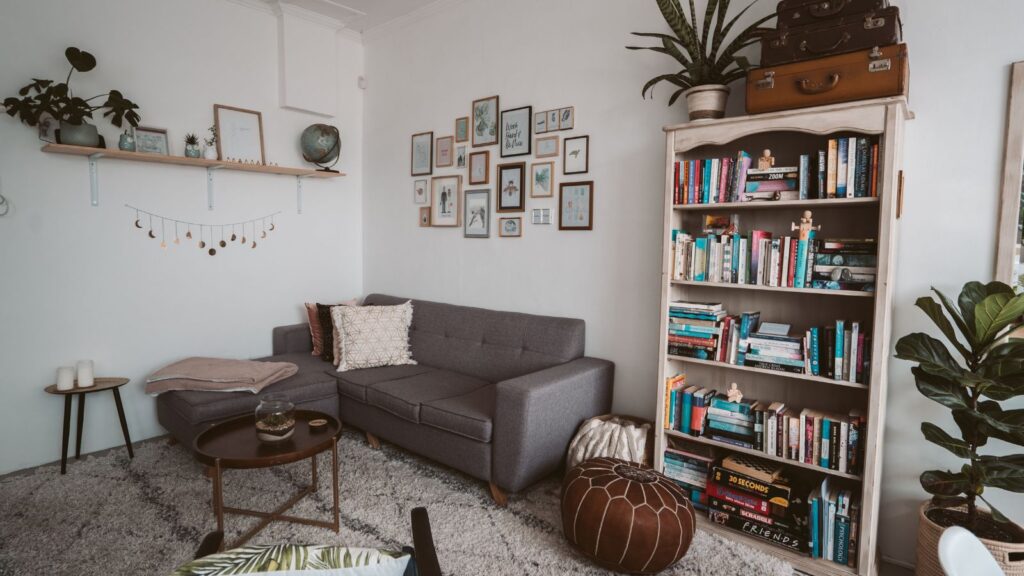
Stick to Light Colors
Light colors can make a small living room feel brighter and more open because they reflect more light around the space. White is a classic choice, but you can also use warm white, cream, pale gray, or soft beige if you want something less stark.
If you’re worried about the room feeling too plain, add color through pillows, throws, artwork, or a small rug. Keeping the walls and larger surfaces light gives you plenty of room to add personality elsewhere.
Related: 10 Affordable Ways to Make Your Home Look More Inviting
Use Mirrors to Open Up the Room
A large mirror can make a small living room appear much bigger than it actually is. Place one across from a window and it will reflect daylight back into the room, making the space feel brighter.
A floor-length mirror can also draw the eye upward, while a collection of smaller mirrors can work well if you prefer a more decorative look. You don’t need mirrors on every wall. One well-placed piece can make a noticeable difference.
Choose Furniture With Visible Legs
Furniture that sits directly on the floor can make a small room feel heavy. Sofas, chairs, cabinets, and tables with exposed legs leave more of the floor visible, which creates a lighter look.
Mid-century-inspired furniture works particularly well here, but you don’t need to follow one specific style. Look for pieces with slim legs and an open base rather than thick, solid frames.
Related: 12 Clever Ways to Clean Stubborn Pet Hair from Furniture
Make Use of Your Walls
A small floor plan means you need to think beyond the floor. Tall bookshelves, vertical artwork, and high curtain rods can draw the eye upward and make the ceiling appear taller.
Install shelves above areas that would otherwise go unused, such as the space above a sofa or desk. Just avoid filling every inch with decorations, since too many objects can make the room feel crowded.
Keep More of the Floor Visible
The more floor you can see, the more open the room tends to look. Furniture with raised bases makes it easier for your eye to move across the room without stopping at bulky pieces.
This is another reason to skip oversized furniture whenever possible. A compact sofa with slim legs can provide plenty of seating without taking over the room.
Use Stripes Carefully
Stripes can change the way a room looks. Vertical stripes can make walls and ceilings seem taller, while horizontal stripes can give the impression of greater width.
You don’t have to cover an entire wall with striped wallpaper. A striped rug, curtains, or a few cushions can bring in the same idea without making the room feel overly busy.
Layer Your Lighting
One ceiling fixture rarely does a small living room any favors. When one light source leaves corners dark, the room can feel smaller.
Try combining overhead lighting with a floor lamp, table lamp, or wall sconces. Several smaller sources spread throughout the room can create a softer and more balanced feel. Dimmable lights are useful when you want to change the mood in the evening.
Related: 12 Easy Ways to Keep Your Bathroom Smelling Fresh All Day
Pull the Sofa Slightly Away From the Wall
Pushing every piece of furniture against the walls might seem like the best way to create space, but it can actually make the layout feel awkward.
Try pulling your sofa a few inches away from the wall if the room allows it. Even a small gap can give the seating area more depth and make the arrangement feel intentional.
Add Glass or Lucite Furniture
Transparent furniture is handy in a tight living room because it provides function without adding much visual weight. A glass coffee table, for example, gives you a useful surface while allowing you to see the floor beneath it.
Clear acrylic chairs and side tables can work in the same way. These pieces are especially useful if you already have plenty of solid furniture in the room.
Pick Low-Profile Furniture
Low sofas and chairs can make the ceiling seem higher because they leave more open wall space above them.
Look for seating with a lower back and a relatively compact frame. You can still make the room comfortable with cushions and throws without filling the space with oversized furniture.
Keep Clutter Under Control
A small room has very little room for visual clutter. A few things left on the coffee table or sofa can quickly make the entire space feel messy.
Give everyday items a home. Baskets, storage ottomans, drawers, and small cabinets can hide remote controls, blankets, magazines, and other items that tend to accumulate.
Try a Larger Rug
It might seem like a small rug would make more sense in a small room, but the opposite can often work better. A larger rug that fits beneath the main seating area can make the furniture look like one connected arrangement.
A tiny rug floating in the middle of the room can break up the floor and make the space feel disconnected. Measure your seating area before buying so you can choose a size that works with the furniture.
Use Vertical Patterns and Artwork
Vertical lines can give the impression of height. Tall artwork, narrow shelving, and vertically arranged frames can all draw attention upward.
You can also create a gallery wall that extends higher rather than spreading everything across one horizontal line. This gives your walls more visual interest without taking up floor space.
Choose Furniture That Serves More Than One Purpose
Multifunctional furniture is a lifesaver in a small living room. An ottoman with hidden storage can work as a footrest, extra seating, and a place to store blankets.
A nesting table can be separated when you need extra surfaces and pushed together when you don’t. Folding tables, storage benches, and coffee tables with shelves can also help you get more use from less furniture.
Let in More Natural Light
Heavy, dark curtains can make a small living room feel closed off. Sheer curtains or lightweight window panels allow more daylight into the room while still giving you some privacy.
Hanging curtains close to the ceiling and letting them reach the floor can also make the windows appear taller. Keep the window area relatively clear so sunlight can spread throughout the room.
Keep Your Color Palette Consistent
Too many unrelated colors can make a small room feel visually chopped up. A simple palette of two or three main colors can make everything feel more connected.
Soft neutrals work well as a base, but there’s no reason you can’t add blue, green, terracotta, or another favorite color through smaller pieces. Repeating the same accent color in several places helps the room feel pulled together.
Add a Few Reflective Surfaces
Mirrors aren’t the only way to bounce light around a small room. Glossy finishes, metallic accents, polished furniture, and glass can all reflect light and add brightness.
Use these finishes in moderation. A metallic lamp, glass table, or framed mirror can be enough to bring a little extra light into the room without making it feel overly decorated.
Give the Room One Main Focal Point
Too many statement pieces competing for attention can make a small room feel chaotic. Pick one main feature that draws the eye.
It could be a large piece of artwork, an interesting light fixture, a colorful sofa, or a tall plant. Once you have a focal point, keep the surrounding décor fairly restrained so the room feels balanced.
Mount Things on the Wall
Wall-mounted furniture can free up valuable floor space. Floating shelves, wall-mounted lighting, and a television mounted at a comfortable height can reduce the number of bulky pieces sitting on the floor.
A floating console can also provide storage without making the room feel as heavy as a large cabinet. Just make sure anything mounted to the wall is properly secured.
Follow the Less-Is-More Rule
A small living room doesn’t need to be completely bare, but every item should have a reason for being there. Too many decorations, small tables, cushions, and accessories can quickly overwhelm the available space.
Keep the pieces you genuinely like and give them room to breathe. A few well-placed accents can make a stronger impression than a room packed with decorations.
The goal isn’t to make your living room look empty. It’s to make the space work harder without making it feel crowded. With the right furniture, lighting, colors, and storage, even a compact living room can feel comfortable and stylish.