The cabinet under the kitchen sink often becomes a catch-all for anything without a proper place. Cleaning products, spare household supplies, and random odds and ends get pushed inside until the space is packed.
It’s convenient storage, but it isn’t a great spot for everything. The plumbing can leak, moisture can build up, and some belongings may get damaged before you even realize there’s a problem.
Clearing out a few of the wrong items can protect your belongings and make room for the supplies you actually use. Here are 10 things that are better stored somewhere else.
Cookware
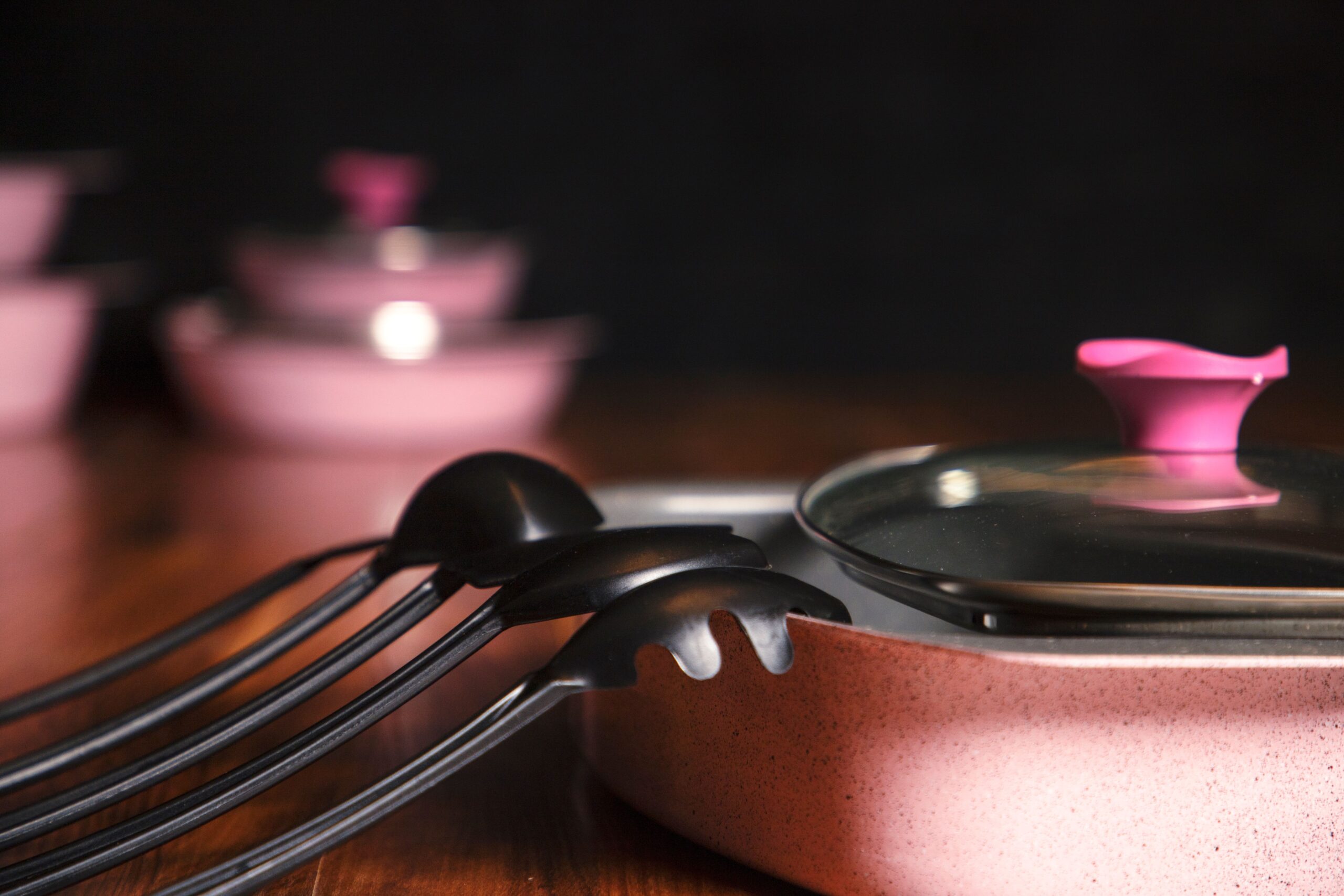
Pots, pans, baking sheets, and cast-iron cookware need a dry place to stay in good condition. Moisture from a hidden leak or damp cabinet can cause rust, discoloration, and other damage.
Move your cookware to a dry cupboard, drawer, or sturdy shelf instead. You’ll also find it easier to keep clean and ready to use.
Pet Supplies
Keep pet food, treats, medications, and toys somewhere cool and dry. Humidity can affect food quality, while moisture may damage medication packaging or other supplies.
A pantry shelf or sealed storage container works best for most pet supplies. Keep medications in the conditions listed on their packaging and store everything out of reach of curious pets.
Flammable Materials
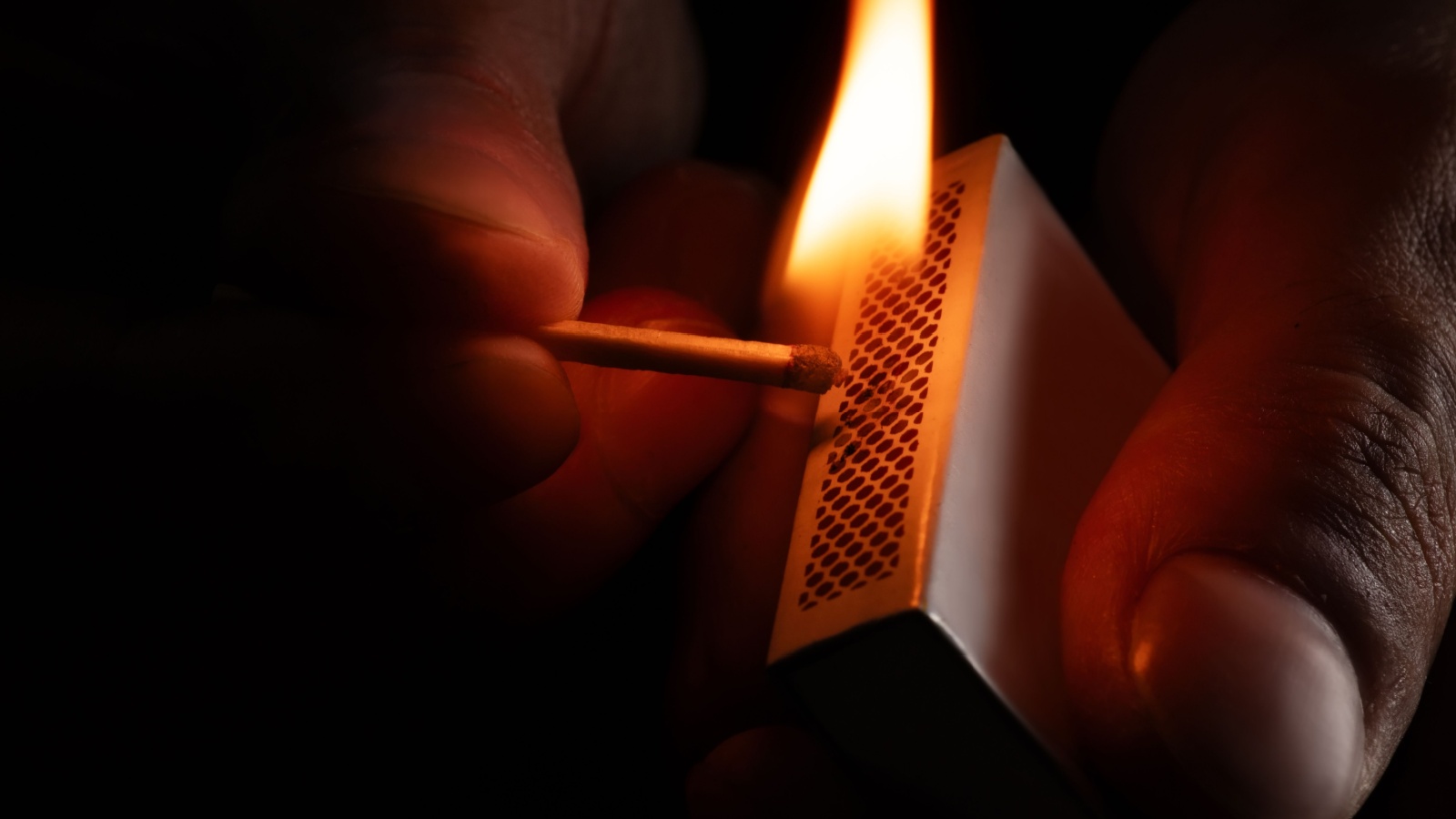
Don’t store lighter fluid, aerosol cans, charcoal starter, and similar products casually under the sink. Some can create a fire risk if exposed to heat, flames, or other unsafe conditions.
Follow each product’s storage instructions, and keep flammable materials away from heat sources and ignition points. A suitable, well-ventilated storage area is a better choice than a crowded cabinet.
Small Appliances
It can be tempting to tuck away appliances you don’t use every day, such as blenders, toasters, and coffee makers. The trouble is that moisture from plumbing or a leak can damage electrical components.
Find a dry cabinet or shelf for these appliances instead. Make sure they’re unplugged and completely dry before storing them.
Harsh Chemicals
Bleach, drain cleaners, and other strong cleaning products often end up under the sink because that’s where people use them. If you keep them there, leave them in their original containers, keep the lids tightly closed, and follow the label’s storage instructions.
Households with children or pets may need a locked storage area to prevent accidental access. Keep chemicals away from food, cookware, and products they could contaminate, and never mix cleaning products.
Paint
Leftover paint cans may seem like convenient items to stash under the sink, but moisture and temperature changes can affect their condition. A poorly sealed can may also leak and leave a difficult mess to clean up.
Store paint in a cool, dry place that meets the manufacturer’s storage instructions. Check that each lid is secure before storing the can.
Pantry Items
Food and plumbing don’t mix well, even if the packages look tightly sealed. A slow leak or damp cabinet can damage cardboard boxes, paper packaging, and other pantry supplies before you notice.
Keep canned goods, spices, dry ingredients, and snacks in a pantry or another dry kitchen cabinet. This also makes it easier to see what you have and keep food away from cleaning products.
Insecticides and Pesticides
Bug sprays, pesticides, and other pest-control products need careful storage. A leaking container could contaminate nearby belongings, especially if you store food, cookware, or household supplies beside it.
Keep these products in their original packaging and follow the label’s storage directions. Choose a secure location away from children, pets, food, and heat sources.
Related: 12 Things That Disappear Within Minutes at Goodwill
Paper Products
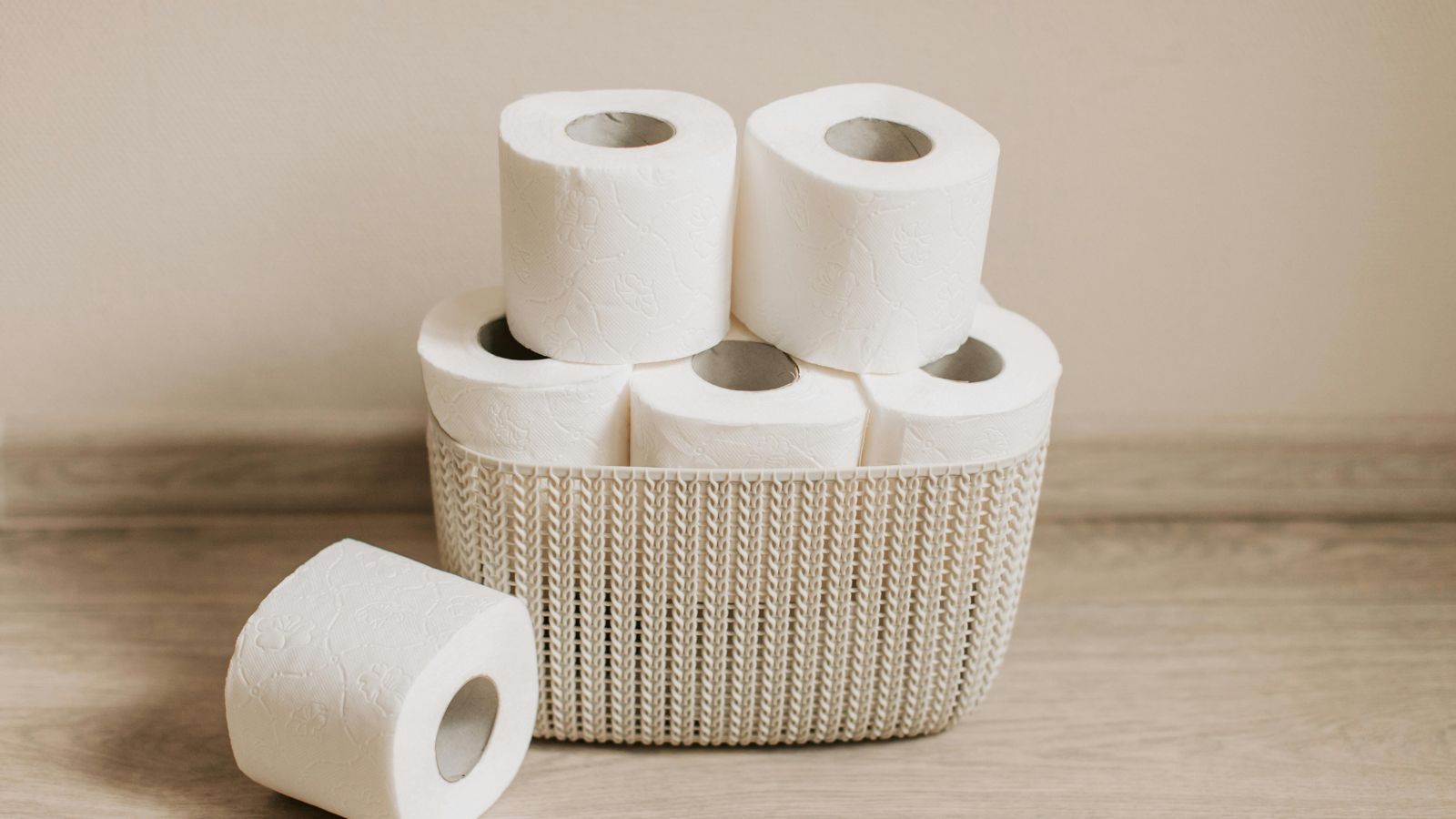
Paper towels, napkins, paper bags, and disposable plates may seem harmless to store under the sink. A small leak or damp cabinet can leave them wet, stained, or unusable.
Move extra paper products to a pantry, linen closet, or another dry storage area. They’ll stay in better condition and won’t be at risk if the plumbing leaks.
Batteries
Keep batteries in a cool, dry place with stable temperatures. Moisture and heat can affect their condition, and damaged or leaking batteries can create a mess or safety concern.
Store spare batteries in their original packaging or a suitable battery organizer away from metal objects and household moisture. Keep them out of reach of children and follow the manufacturer’s storage instructions.