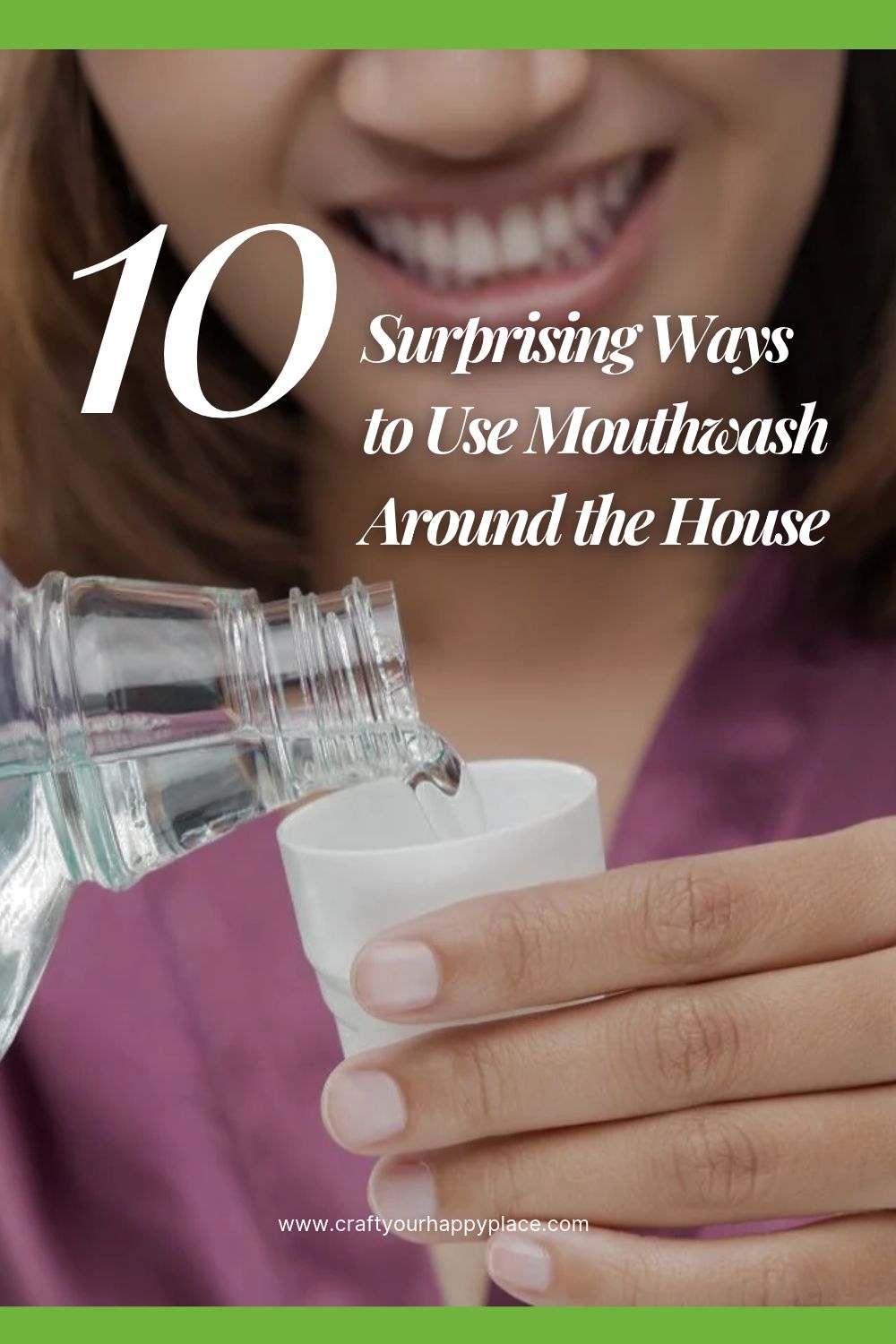
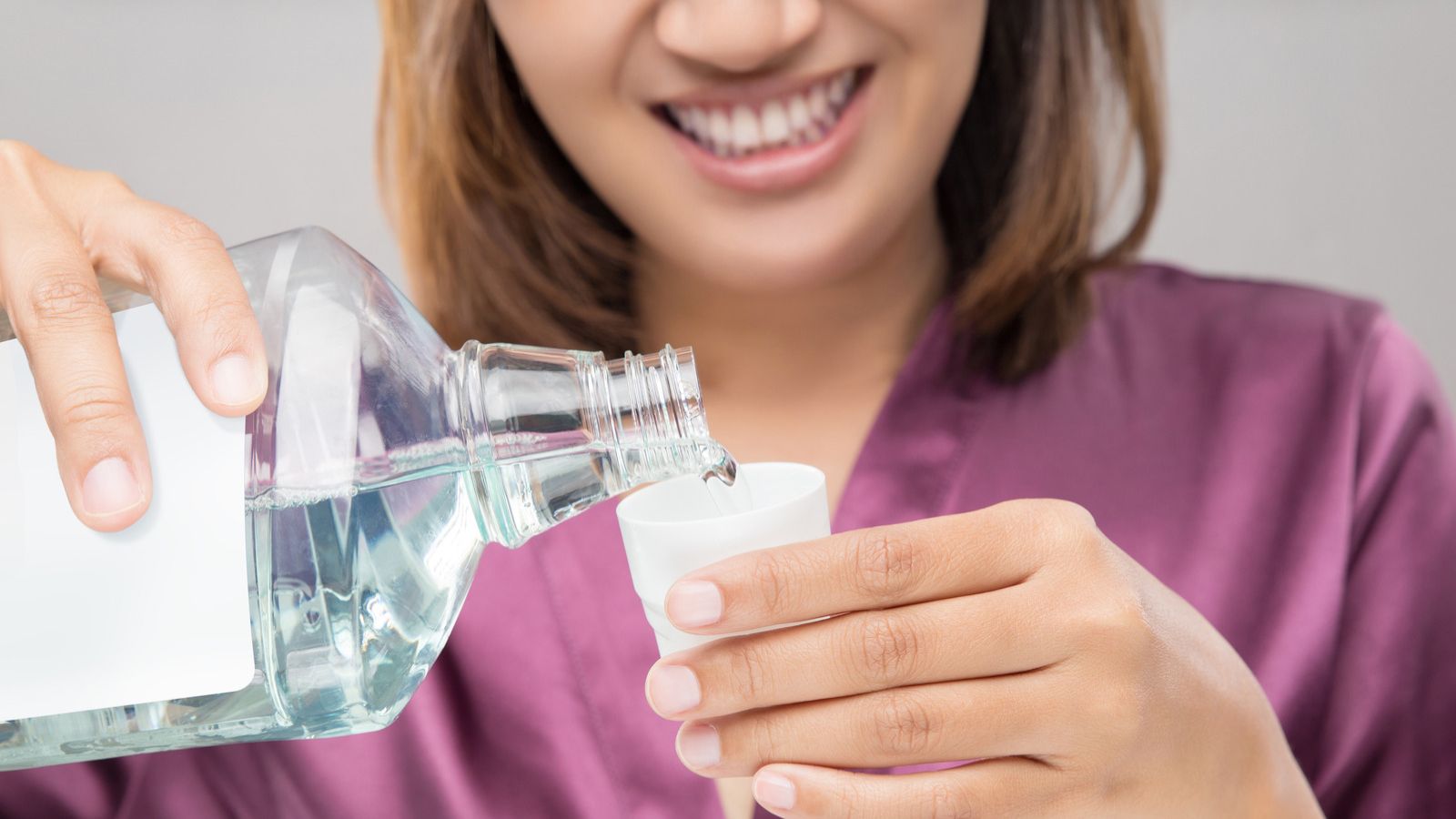
Most people keep mouthwash in the bathroom and reach for it after brushing their teeth. But some people use it for household chores, odor control, and a few other unexpected tasks.
A bottle of mouthwash may come in handy for more than freshening your breath. Here are 10 alternative uses people have tried, along with a few things to keep in mind before using it around the house.
Clean Household Surfaces
If you’ve run out of your usual cleaner, mouthwash might seem like a convenient substitute for a quick wipe-down. Some people use a little on a soft cloth to clean countertops or glass, but check the product label and test a hidden spot first to avoid damaging the finish.
Related: 15 Simple Tricks for Getting Your Toilet Sparkling Clean
Protect Your Plants
Some gardeners suggest using diluted mouthwash as a spray for mildew and fungus gnats. Mix equal parts mouthwash and water only if the product is suitable for this purpose, and test a small area first, since alcohol and other ingredients can damage leaves and harm plants.
Related: 15 Shrubs to Plant If You Don’t Want a High-Maintenance Garden
Foot Fungal Infection
Mouthwash is sometimes mentioned as a home remedy for athlete’s foot because certain formulas contain alcohol or other antiseptic ingredients. There isn’t good evidence that applying it to infected skin will clear the fungus, and it may cause irritation, so an antifungal cream or spray is a better choice.
Related: 18 Signs Mold May Be Growing Behind Walls, Under Floors, and More
Make Flowers Last Longer
A small amount of mouthwash is sometimes added to vase water in an attempt to slow bacterial growth and keep cut flowers fresh. Results aren’t guaranteed, and flower food is a better option because it’s made for that purpose.
Improve Humidifier’s Performance
Humidifiers need regular cleaning because standing water can allow mold and bacteria to grow inside the tank. Adding mouthwash to the water isn’t a safe cleaning method and may release unwanted chemicals into the air, so follow the manufacturer’s cleaning instructions instead.
Freshen Up the Garbage Disposal
A garbage disposal can develop unpleasant smells from leftover food caught inside. Rather than pouring mouthwash down the drain, try cleaning the disposal according to its instructions and flushing it with water to remove food residue.
Freshen Up the Garbage Can
A smelly trash can can make the whole kitchen unpleasant, especially during warmer months. Some people place a paper towel dampened with Listerine at the bottom of the bin, but regular washing, drying, and using a deodorizing product made for trash cans are safer ways to deal with lingering smells.
Do Your Laundry
Some people add clear mouthwash to laundry in hopes of getting rid of stubborn odors. It’s not formulated for washing clothes, though, and its ingredients may stain fabrics or affect colors, so a laundry sanitizer or detergent made for odor removal is a better choice.
Clean Tile Floors
Mouthwash is sometimes suggested as a quick tile-cleaning substitute because certain formulas contain alcohol. It isn’t a reliable floor disinfectant, and the ingredients may leave residue or damage some finishes, so stick with a tile cleaner suited to your flooring.
Related: How to Clean Your Tile Grout
Disinfect a Wound
Some older mouthwash formulas were originally marketed for antiseptic purposes, which is one reason people still associate them with wound care. That doesn’t make mouthwash a good choice for cuts or scrapes, since alcohol and other ingredients can irritate damaged skin; rinse minor wounds with clean running water and use proper first-aid products instead.