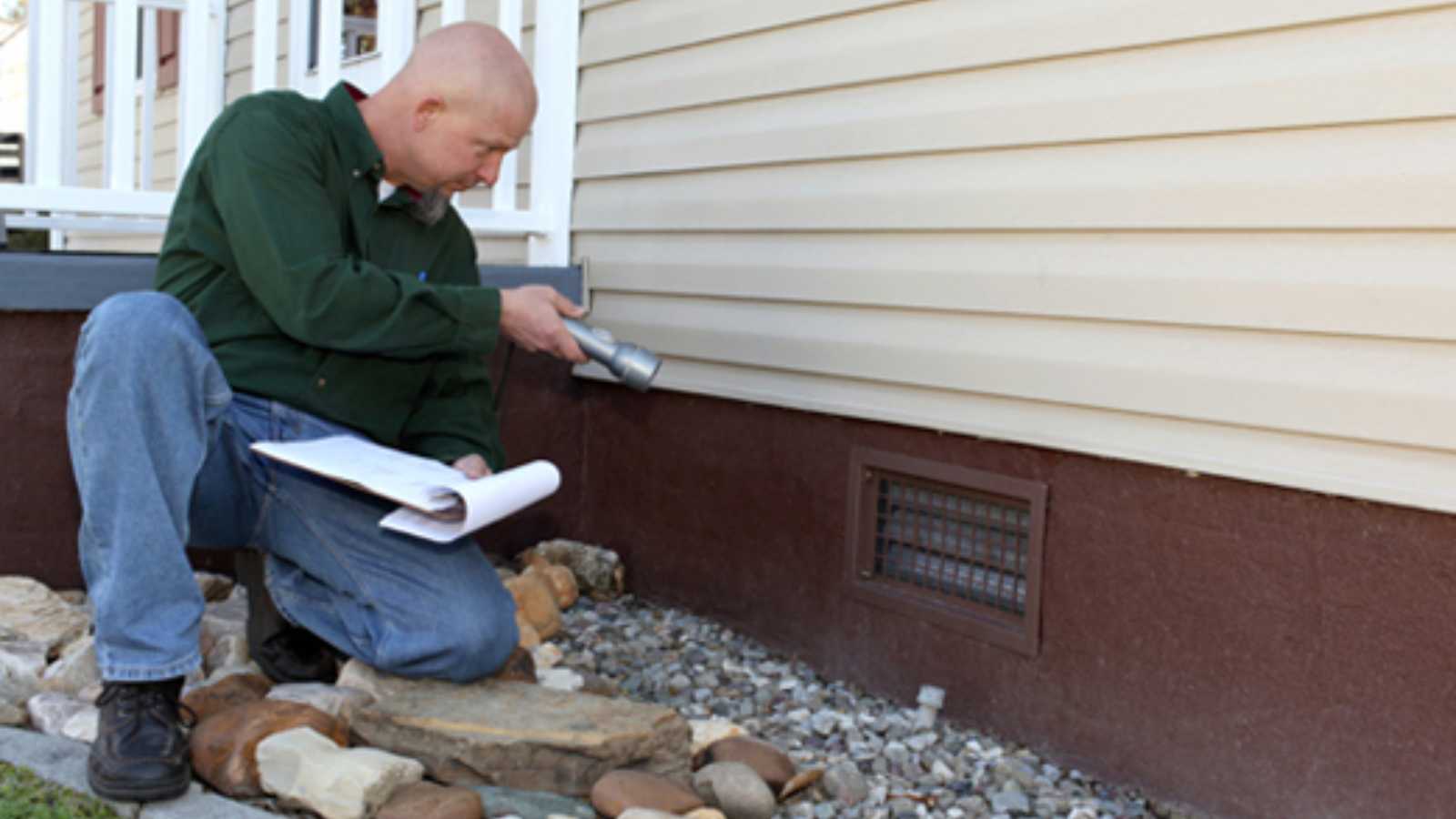
Mold can show up in places you rarely think to check, especially where moisture has been lingering for a while. A small leak, damp carpet, or poorly ventilated room can create the conditions mold needs to grow behind walls, under flooring, or in other hidden spots.
Some signs are easy to dismiss as ordinary home problems, while others can be clues that there is a moisture issue somewhere nearby. Knowing what to look for can help you find the source sooner and deal with water damage before it becomes a bigger problem.

Musty Odor
A musty smell that keeps coming back can be a clue that moisture or mold is present somewhere nearby. Pay extra attention if the odor is strongest in a damp, poorly ventilated room or an area where you have noticed previous water damage.
Related: 12 Signs Your Home Needs New Insulation
Water Stains
Yellow, brown, or other dark stains on walls, ceilings, or floors can point to past or current water damage. A surface may feel completely dry now while moisture remains behind it, creating conditions where mold can grow.
Peeling or Bubbling Paint
Paint that starts peeling, bubbling, or blistering can be a sign that moisture has gotten behind the surface. If the problem keeps returning after you repaint, check for a leak or damp area before covering it up again.
Allergic Disorders or Breathing Problems
Sneezing, coughing, itchy eyes, or other allergy-like symptoms can sometimes become worse in a room with mold or other indoor irritants. If symptoms repeatedly appear or worsen in one part of the house, it may be worth checking that area for moisture and speaking with a healthcare provider.
Related: 17 Clear Signs You Can’t Trust Your Boss
Damp or Musty Carpets
A carpet that stays damp or develops a musty smell deserves a closer look, especially after a leak or flood. Mold can grow beneath carpeting and padding where moisture gets trapped, and the surface doesn’t dry properly.
Warped Walls or Flooring
Swollen, warped, or uneven walls and floors can indicate that moisture has gotten into the underlying materials. Water damage does not automatically mean mold is present, but areas that stay damp for long periods can create conditions that support mold growth.
Visible Mold Spots
Mold can appear as dark, greenish, white, or other discolored patches on walls, ceilings, floors, and other surfaces. A visible patch does not tell you how far the problem extends, so recurring or widespread growth deserves attention rather than a quick coat of paint.
Related: 15 Signs Someone Secretly Has a Crush on You
Unexplained Health Issues
Headaches, fatigue, dizziness, or other unexplained symptoms can have many possible causes, so they should not automatically be blamed on mold. Some people can have health reactions to indoor mold, and the National Institutes of Health has reviewed research on mold exposure and related health effects.
Condensation on Windows
Heavy or frequent condensation on windows can point to high indoor humidity. Excess moisture in the air can contribute to mold growth on window frames, sills, walls, and other cool surfaces.
Cracked or Discolored Grout
Dark, discolored, or damaged grout in bathrooms and kitchens can be a sign that an area is staying wet for too long. Cracks can also allow water to reach the materials beneath the tile, so recurring moisture problems should be checked rather than covered up.
Related: 19 Clear Signs Someone Is Pulling Away From You
Persistent Cold-Like Symptoms
A cough, runny nose, sore throat, or frequent sneezing can have many causes, including seasonal allergies and ordinary infections. If these symptoms repeatedly worsen at home, check for moisture, mold, and other indoor air quality issues, and discuss persistent symptoms with a healthcare provider.
Leaky Pipes
A leaking pipe under a sink or behind a wall can leave moisture in places you cannot easily see. Fixing the leak is only part of the job, as wet materials may need time to dry completely before mold becomes a concern.
Poor Ventilation
Bathrooms, basements, attics, and other areas with little airflow can collect excess moisture. Poor ventilation is one of the conditions that can support mold growth, which is why the Mold Science website recommends addressing moisture and ventilation problems in areas prone to attic mold.
Recurring Water Leaks
A leak that keeps coming back is a warning sign that the underlying problem has not been fixed. Repeated water exposure can keep walls, floors, insulation, and other materials damp, creating conditions where mold can grow.
Rusting Metal
Rust on pipes, fixtures, or other metal surfaces can indicate repeated exposure to moisture. While rust does not prove that mold is present, nearby damp materials should be checked if the moisture problem has been ongoing.