Dropping off a bag of old clothes at Goodwill feels like a good way to pass along things you no longer need. But not every donated shirt, pair of jeans, or household item makes it to a store shelf, and some items never find a buyer.
So where do those donations go? Depending on their condition and what a local Goodwill can do with them, unsold items may go to outlet stores, be sold through other resale channels, or be sorted for textile recycling and other uses.
Goodwill has also been working with recycling partners to find better ways to handle clothing that can no longer be worn. Here’s what can happen to your donations after you drop them off, and why an item that doesn’t sell isn’t automatically headed for the landfill.

Selling It Is Still the First Goal
If donated clothing is clean and wearable, selling it to another person is usually the preferred option. Resale gives garments another chance to be worn without the extra work and resources required to break down their materials.
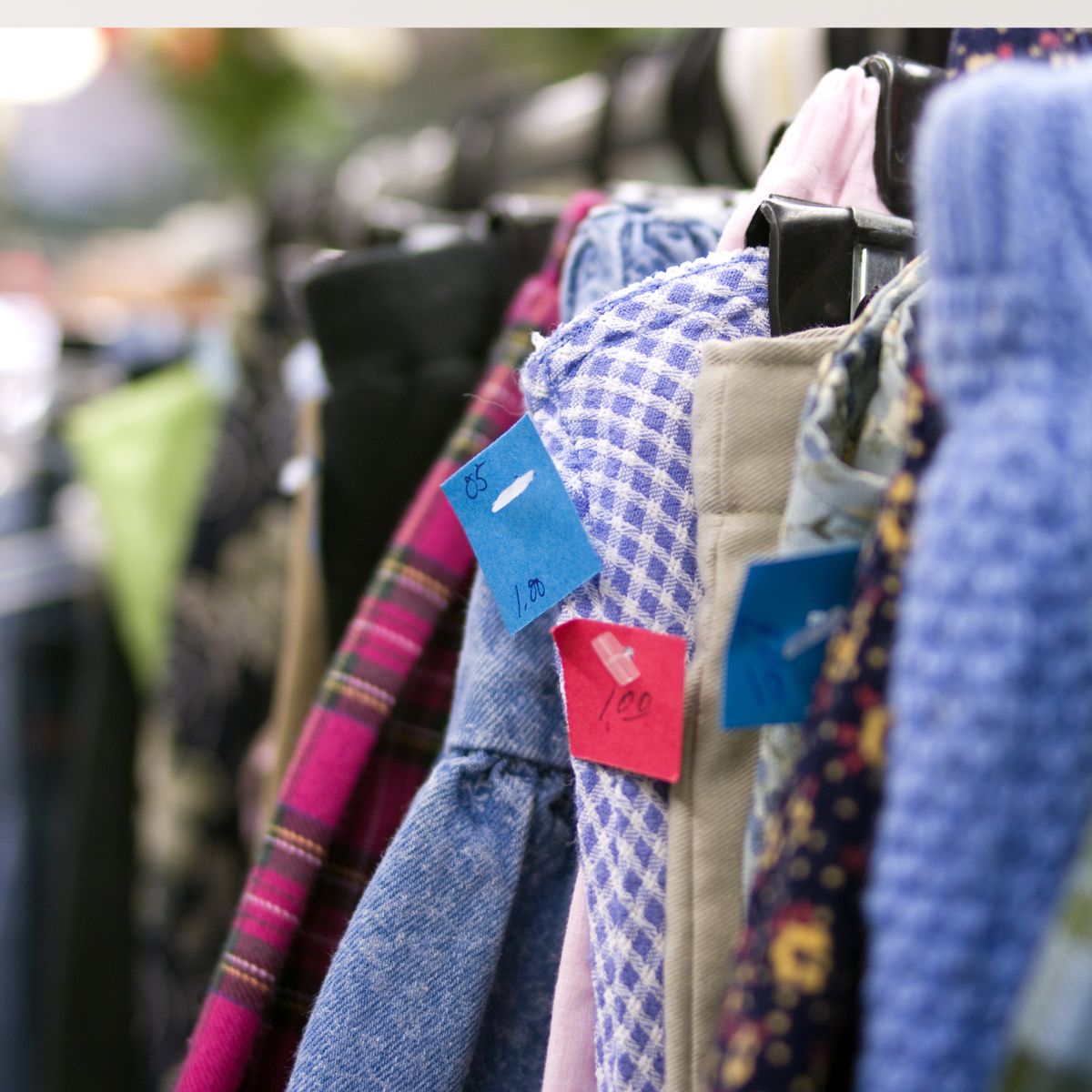
Goodwill sells donations through its retail stores and online marketplaces, and some locations also operate outlet stores. Items that don’t sell at regular prices may be offered at lower prices or sold by the pound, giving shoppers another chance to find something useful.
But Eventually, Some Clothing Runs Out of Buyers
Not every donated garment finds a new owner, even if it’s still wearable. Some items are too worn, stained, or damaged to sell, while others simply don’t attract buyers after spending time in the store.
That leaves Goodwill to sort what can still be used from what needs another option. The organization has been developing ways to separate reusable textiles from clothing that may be suitable for recycling, rather than treating all unsold items alike.
Read more about these efforts in Goodwill’s announcement on its textile circularity pilot and traceability study.
Goodwill Has Been Testing a Different Solution
In 2024, Goodwill announced a planned textile recycling initiative with textile regeneration company Reju and waste management company WM. The multi-year collaboration aims to explore ways to collect, sort, reuse, and recycle more textiles across North America.
The idea builds on Goodwill’s existing donation network, which already handles large amounts of used clothing and household goods. By connecting that network with waste management and textile recycling expertise, the partners hope to find more uses for garments that can no longer be sold or worn.
Related: 18 Things Goodwill Gets Way Too Many Of
Wearable Clothes Still Go Through Resale
The textile recycling initiative isn’t intended to pull perfectly good clothing away from thrift-store shoppers. Items that meet resale standards can still go through Goodwill’s regular retail channels, while other textiles may be used for other purposes.
That distinction matters because selling or reusing a garment is often better than breaking it down into raw materials. Recycling becomes an option for clothing that has reached the end of its useful life as a wearable item.
Worn-Out Clothing Could Become Raw Material
For textiles that can’t be resold, the planned collaboration offers another possibility: turning discarded fabric into material for new products. Reju specializes in textile regeneration, a process that recovers value from used textiles rather than treating them as waste.
As Goodwill of the Finger Lakes CEO Jennifer Lake explained in an interview with Resource Recycling, the broader goal is to give clothing a chance to be reused and repaired before recycling it into material that can no longer be worn. The planned partnership is part of a wider effort to make better use of textiles that would otherwise have few options.
Goodwill Had Already Been Testing Textile Recycling
The collaboration with Reju and WM wasn’t Goodwill’s first effort to address unwanted clothing. An earlier two-year textile circularity pilot involved 25 local Goodwill organizations and established four regional hubs to sort textiles into reusable and nonreusable categories.
The project also looked at the fiber makeup of textiles that had reached the end of their useful life. Goodwill reported that about 60% of the material studied was compatible with existing recycling technologies, including cotton, polyester, and cotton-polyester blends.
Related: How to Recycle Textiles: 16 Brands That Recycle Clothes
Recycling Clothes Isn’t as Simple as Tossing Them in a Bin
Clothing can be surprisingly difficult to recycle because a single item may contain several different materials. For example, a shirt might combine cotton and polyester with elastic, buttons, zippers, or special coatings that must be separated before the fabric can be processed.
Lake also pointed to the challenge of fabric blends and the need for manufacturers to think about recyclability when designing clothing. The materials used to make a garment can determine how easily it can be recycled years later.
Goodwill’s Donation Network Could Help
One advantage Goodwill already has is a network of donation centers and stores people already use. That existing system could help collect unwanted clothing for recycling programs without requiring an entirely new network of collection sites.
The 2024 collaboration explored how Goodwill’s collection and sorting operations could work with WM’s waste management infrastructure and Reju’s textile regeneration technology. The aim was to develop a scalable model, not a recycling service already available at every Goodwill location.
Related: Does Goodwill Actually Wash Donated Dishes Before Selling Them?
So, Does Anything Actually Become Trash?
Goodwill’s textile recycling projects don’t mean every donated item can be saved from disposal. What happens to an item depends on its condition, its materials, nearby recycling options, and whether a market exists for the recovered material.
Still, an item that doesn’t sell may have more options than many donors realize. Goodwill says it can sort unsold goods for other resale markets, recycling, downcycling, or export, depending on the item and local operations.