Gardening can seem like a lot to take on if you’re just getting started, but it doesn’t have to be complicated. Martha Stewart has a knack for making gardens look beautiful while keeping her ideas practical enough for everyday gardeners.
You don’t need years of experience or a huge backyard to borrow some of her gardening ideas. A few simple changes can make your garden more useful, colorful, and enjoyable, whether you’re working with a flower bed, patio, balcony, or a few containers.
Start With Edible Flowers
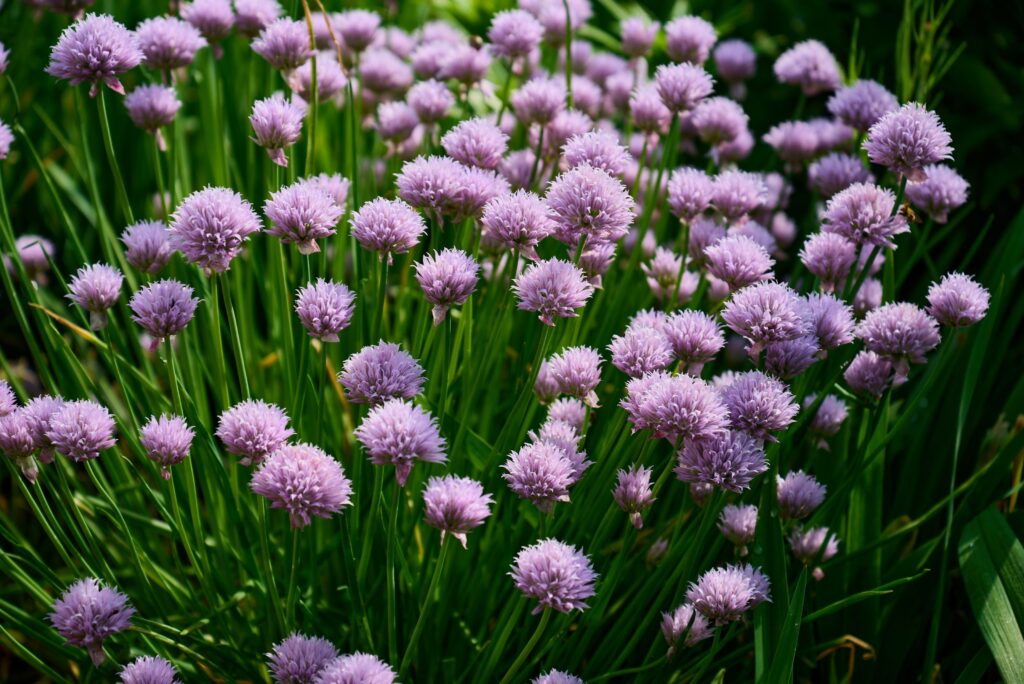
Edible flowers can bring a little extra color to both your garden and your meals. Nasturtiums, violas, and marigolds are easy choices for beginners and can be used to dress up salads, drinks, and desserts.
Use Natural Mulch
Natural mulch, such as bark, straw, or shredded leaves, can help the soil retain moisture while suppressing weeds. It also gives garden beds a neat appearance and adds organic material to the soil as it breaks down.
Plant in Odd Numbers
Try planting flowers in groups of three, five, or seven instead of lining them up in even numbers. Odd groupings tend to look more relaxed and natural, especially in flower beds and larger containers.
Repurpose Household Items
Old household items can make surprisingly useful garden containers and decorations. Broken teacups can hold small plants, while old bottles, jars, or other odds and ends can become planters or garden accents.
Go Vertical
Growing upward is a smart option if you don’t have much room for a traditional garden bed. A trellis, wall planter, or other support can give climbing plants such as beans and ivy somewhere to grow while leaving more floor space open.
Experiment With Perennial Herbs
Perennial herbs such as lavender, thyme, and sage can come back year after year with the right growing conditions. They are useful in the kitchen, attractive in the garden, and a good choice if you don’t want to start from scratch every spring.
Focus on Pollinators
Flowers that attract bees, butterflies, and other pollinators can bring more activity to your garden. Coneflowers, sunflowers, and other pollinator-friendly plants can also benefit vegetable gardens, with the USDA noting their role in supporting pollination and crop production.
Personalize Your Garden With Markers
Plant markers make it easier to remember what you planted, especially when seedlings start to look alike. Painted stones, wooden spoons, chalkboard stakes, and other simple materials can turn labels into a fun garden detail.
Create a Seasonal Plan
A little planning can help keep something blooming in your garden throughout the year. Pair spring bulbs such as tulips and daffodils with summer flowers like zinnias, then add plants that perform well later in the season.
Create a Raised Bed Garden
Raised beds can give you more control over the soil while making planting and maintenance easier on your back. A ResearchGate study found benefits of raised-bed cultivation for crop production, and raised beds can also give a backyard garden a clean, organized look.