
Amish cooking is often associated with homemade food, practical techniques, and ingredients that don’t need much fuss. Many of the methods used in Amish kitchens came from making the most of what was available, whether that meant preserving a summer harvest, baking bread from freshly milled grain, or stretching a pot of soup to feed a large family.
These cooking habits have lasted because they work. They also make sense for anyone who enjoys cooking from scratch. You don’t need a traditional Amish kitchen or specialized equipment to borrow many of these ideas. A few basic ingredients, some patience, and the right tools can take you a long way.
Bake With Lard for Flaky Pastries
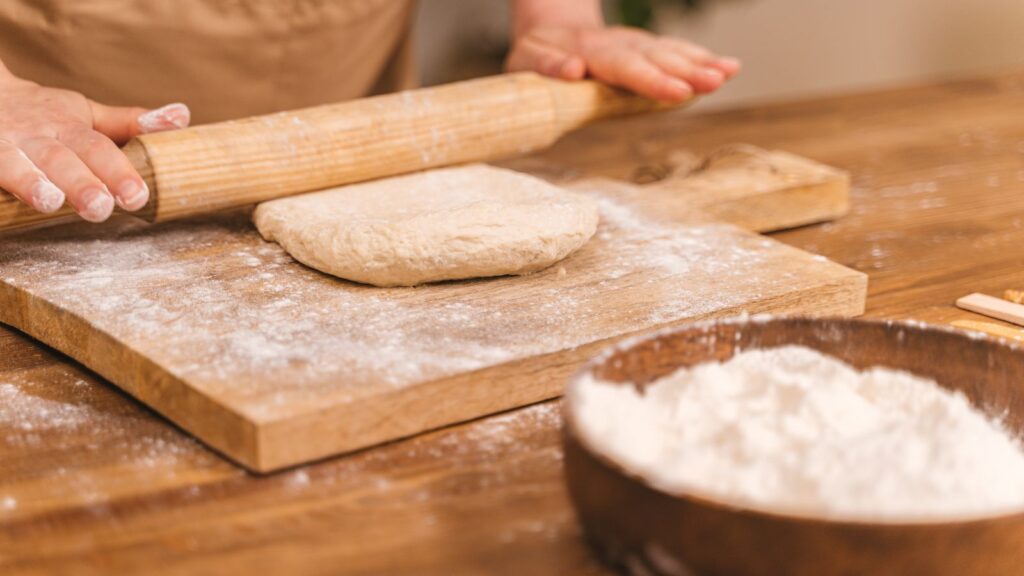
Lard has long been used in traditional baking, especially for pie crusts, biscuits, and other pastries. Its fat content helps create a tender texture and flaky layers, while its mild flavor doesn’t compete with the filling.
For pie dough, keeping the lard cold and handling the dough as little as possible can make a noticeable difference. Store-bought lard works, too, though some cooks prefer rendered lard with a cleaner flavor.
Related: 13 Outdated Cooking Tools You Need to Stop Using
Use a Wooden Dough Bowl for Bread
A wooden dough bowl is a familiar sight in many traditional kitchens. It’s roomy enough for mixing large batches of bread dough and sturdy enough to handle regular use.
Wood doesn’t provide some magical ingredient that makes bread taste better, but a good bowl is practical and comfortable to work with. If you bake bread often, a well-maintained wooden bowl can become one of those kitchen tools you reach for without thinking.
Keep Pastry Water Cold
Cold water is a small detail that can make a big difference in pastry. Chilled water helps keep the fat in the dough from melting too soon, which contributes to flaky layers once the pastry goes into the oven.
This trick works especially well for pie crusts, biscuits, and other doughs that depend on cold fat. If your kitchen is warm, chilling the flour, bowl, and other ingredients can also help.
Grate Ingredients by Hand
Pre-shredded cheese and packaged grated vegetables are convenient, but freshly grated ingredients can have a better texture and melt more evenly.
A box grater is all you need to shred cheese, potatoes, carrots, or other vegetables. Freshly grated cheese can be especially useful in casseroles, sauces, and baked dishes where you want a smooth melt.
Related: 16 Uses for Salt That Don’t Involve Cooking
Make Egg Noodles With Fresh Eggs
Homemade egg noodles are a classic example of turning basic ingredients into something special. Eggs, flour, salt, and a little water can become noodles with a texture that’s hard to match with dried varieties.
The dough can be rolled thin, cut by hand, and left to dry before cooking. The strands don’t have to look perfectly uniform. Slightly uneven noodles are part of what makes homemade pasta feel homemade.
Pickle Vegetables in Vinegar Brine
Pickling gives you a way to keep part of the summer harvest around for months. A basic vinegar brine can be made with vinegar, water, salt, sugar, and seasonings.
Cucumbers are the obvious choice, but carrots, onions, green beans, peppers, and other vegetables can also be pickled. For longer storage, follow a tested canning recipe rather than guessing at the vinegar-to-water ratio.
Let Soups Simmer Slowly
A pot of soup can turn inexpensive ingredients into a filling meal with enough time on the stove. Slow simmering allows meat to become tender while vegetables and seasonings have time to blend into the broth.
This is especially useful for tougher cuts of beef, dried beans, chicken, and root vegetables. Making a large pot also means you can have leftovers for another meal or freeze portions for later.
Preserve Produce Through Canning
Canning has long been a practical way to preserve garden produce beyond the growing season. Tomatoes, fruits, pickles, jams, and many other foods can be canned using tested methods.
Water-bath canning works for many high-acid foods, while low-acid foods require pressure canning. Clean jars and proper processing times matter. For food safety, use recipes from trusted sources rather than altering ingredient ratios or processing times on your own.
Related: 15 Common Mistakes Almost Everyone Makes When Cooking Pasta
Add Buttermilk to Baked Goods
Buttermilk can give pancakes, biscuits, cornbread, cakes, and other baked goods a soft texture and mild tang. Its acidity also reacts with baking soda, helping certain recipes rise.
If you have leftover buttermilk after making one recipe, it can be frozen in portions for later use. It’s also useful in marinades, dressings, and fried chicken recipes.
Cook With Cast Iron
Cast-iron cookware has earned its place in traditional kitchens because it can handle everything from frying to baking. A well-seasoned skillet can brown meat beautifully and works just as well for cornbread, cobblers, and other baked dishes.
Cast iron takes a little care. Keep it dry, avoid leaving acidic foods in it for long periods, and maintain the seasoning according to the manufacturer’s instructions. With regular use, a good skillet can last for generations.
Grind Grains at Home
Freshly ground wheat, corn, and other grains can bring a fuller flavor to homemade bread and baked goods. A home grain mill gives you control over how fine or coarse the flour becomes.
Fresh flour also behaves differently from store-bought flour, so recipes may need a little adjustment. If you don’t want to grind everything yourself, buying freshly milled flour from a local mill can offer a similar experience with less work.
Sweeten With Honey, Molasses, or Maple Syrup
Traditional recipes often make use of sweeteners such as honey, molasses, and maple syrup. Each one brings its own flavor to a recipe.
Molasses works well in gingerbread, baked beans, and hearty cookies. Honey adds moisture to cakes and breads, while maple syrup is a natural match for pancakes, oatmeal, pies, and glazes.
These ingredients aren’t necessarily healthier simply because they’re less processed, but they can give familiar recipes a deeper flavor.
Store Produce in a Root Cellar
Before refrigerators became common, root cellars gave families a cool place to store vegetables and certain fruits through the colder months. Potatoes, carrots, beets, onions, apples, and winter squash are among the foods that can be stored under suitable conditions.
The key is maintaining the right temperature and humidity for each type of produce. Good airflow also helps prevent mold and premature spoilage. A basement storage area can sometimes serve a similar purpose if the conditions are suitable.
Related: 11 Outrageous Martha Stewart Cooking Tips That Actually Make Food Taste Better
Build Casseroles in Layers
Casseroles are a practical way to turn a handful of ingredients into a meal that feeds several people. A basic combination might include potatoes, noodles, vegetables, meat, a creamy sauce, and a topping.
Layering the ingredients helps distribute the flavors and textures throughout the dish. Breadcrumbs, crushed crackers, or shredded cheese can provide a crisp topping while the ingredients underneath stay moist.
This is also a great way to use leftovers. Cooked vegetables, chicken, ham, noodles, and potatoes can often find a second life in a casserole.
Keep Seasoning Simple
Many traditional dishes don’t need a long list of spices. Salt, pepper, parsley, dill, sage, thyme, and other familiar herbs can be enough to bring out the flavor of fresh ingredients.
Starting with a small amount of seasoning and tasting as you cook gives you more control over the final dish. Good ingredients don’t need to be buried under layers of spices.
That’s one of the most useful lessons from traditional home cooking: a good meal can come from ordinary ingredients when you give them time, care, and the right cooking method.