Plants can make a home feel fresh and inviting, but some of the prettiest varieties aren’t safe to have around curious cats and dogs. Pets love to sniff, chew, and investigate anything within reach, and a quick bite of the wrong plant can sometimes lead to a trip to the vet.
The tricky part is that many plants that can harm pets are also common favorites. They’re easy to find, look great indoors or outside, and are often praised for being easy to care for. Knowing which ones can cause trouble makes it easier to decide where to keep them, or whether to skip them altogether.
Here are 13 popular plants that pet owners should know about.
Peace Lily
Peace lilies are popular for their deep green leaves and white flowers, but they can cause problems if a cat or dog chews on them. The plant contains insoluble calcium oxalate crystals that can irritate the mouth and throat.
A pet that eats part of a peace lily may develop heavy drooling, vomiting, pawing at the mouth, or trouble swallowing. Keep peace lilies somewhere pets can’t reach, or choose a pet-friendly plant instead.
Related: 14 Indoor Plants Believed to Attract Good Energy
Sago Palm
Sago palms look like small tropical trees and are often used as decorative houseplants or landscaping plants. They’re also one of the more dangerous plants for pets.
Every part of the sago palm contains cycasin, a toxin that can cause serious liver damage. The seeds are especially dangerous. According to PetMD, eating even a small amount can lead to vomiting, diarrhea, weakness, seizures, liver failure, and potentially death.
If you have pets that spend time outdoors, think carefully before planting a sago palm in the yard.
Aloe Vera
Aloe vera is often kept around for its soothing gel, especially for minor skin irritations and sunburns. That doesn’t mean it’s safe for pets to chew.
The plant contains compounds that can cause vomiting, diarrhea, lethargy, and other stomach problems in dogs and cats. The gel inside the leaf is different from the latex found just beneath the outer layer, but it’s still best to keep the whole plant away from pets.
Related: 15 Gorgeous Native Plants to Grow Around Your Home
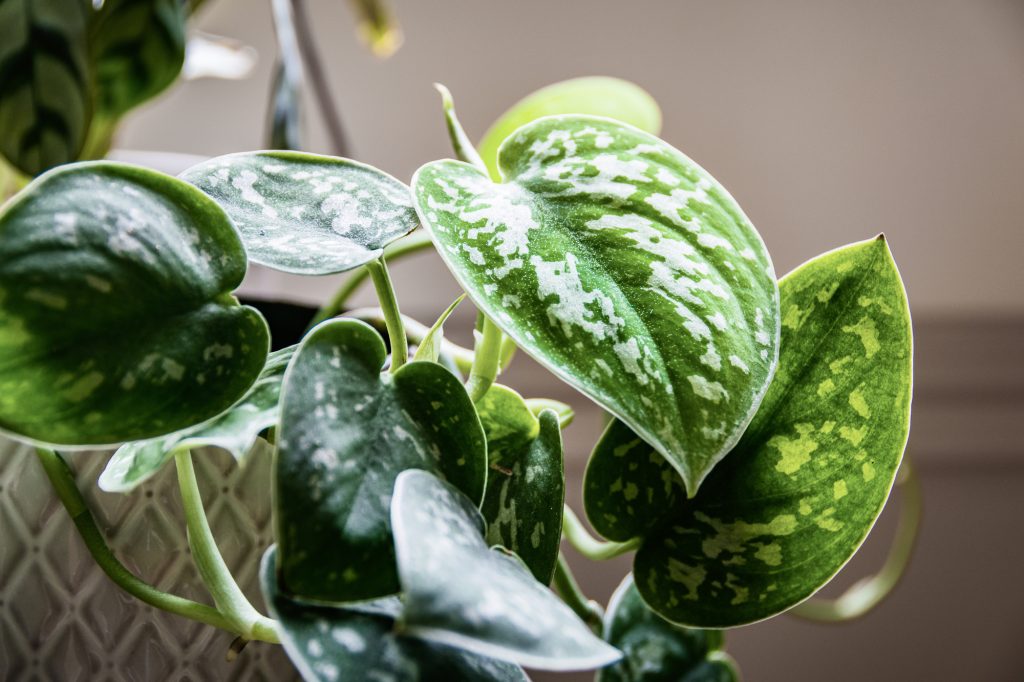
Pothos
Pothos is one of those plants that seems to be everywhere. Its trailing vines look great on shelves and hanging planters, and it can tolerate a fair amount of neglect.
For pets, though, pothos can cause painful irritation. Like peace lilies, pothos contains insoluble calcium oxalate crystals. Chewing the leaves can result in mouth pain, drooling, vomiting, and difficulty swallowing.
If your cat likes climbing onto shelves, hanging pothos well out of reach may still not be enough. A safer plant may be the better choice.
Oleander
Oleander produces clusters of attractive flowers, which makes it a popular landscaping plant in warm climates. It’s also highly toxic to pets.
The plant contains cardiac glycosides that can interfere with the heart. Ingestion can cause vomiting, diarrhea, weakness, abnormal heart rhythms, and, in severe cases, death.
Oleander is one plant that deserves extra caution. If you have pets that roam freely around your yard, choosing a different flowering shrub may be the safer option.
Related: 14 Plants That Turn Vertical Gardens Into Living Walls
Tulips
Tulips are a spring favorite, but their bulbs can cause trouble for pets that like digging in the garden.
The bulbs contain compounds that can irritate the digestive system. Eating them may lead to drooling, vomiting, diarrhea, and other signs of illness. Larger amounts can cause more serious problems.
If your dog likes digging up freshly planted bulbs, tulips may be worth keeping behind a barrier.
Snake Plant
Snake plants have earned a reputation for being extremely easy to care for. They can handle low light, missed waterings, and plenty of time alone, which makes them popular with busy plant owners.
They aren’t quite as forgiving around pets. Snake plants contain saponins that can cause nausea, vomiting, diarrhea, and drooling if eaten.
A snake plant on a high shelf may work in a home with a curious cat, but keeping it somewhere your pets can’t access is the safer choice.
Related: 10 Beautiful Plants That Also Keep Garden Pests Away
Lilies
Lilies deserve special attention if you have cats. Certain true lilies can cause severe poisoning in cats, with kidney failure being one of the biggest concerns. Even small exposures can be dangerous.
The ASPCA warns that cats can become seriously ill after eating parts of certain lilies or getting pollen on their fur and then grooming themselves.
If you have a cat, it’s safest to avoid bringing potentially toxic lilies into your home. Not every plant with “lily” in its name has the same level of toxicity, so check the exact plant before bringing one indoors.
Philodendron
Philodendrons are popular for their large, leafy appearance and the fact that many varieties are easy to grow indoors. Unfortunately, they’re another plant that can cause painful reactions when chewed.
They contain insoluble calcium oxalates, which can irritate a pet’s mouth, tongue, and throat. Common signs include drooling, pawing at the mouth, vomiting, and trouble swallowing.
Because many philodendrons have leaves that hang down within easy reach, they can be tempting targets for curious pets.
Related: 15 Easy-Care Plants That Naturally Repel Garden Pests
Azaleas
Azaleas bring plenty of color to gardens, but they’re another plant that can be harmful to dogs and cats. They contain grayanotoxins, which can affect the nervous and cardiovascular systems.
Pets that eat azaleas may experience vomiting, diarrhea, weakness, drooling, or changes in heart rate. More serious poisoning can lead to low blood pressure, abnormal heart rhythms, seizures, or coma.
If your pet likes nibbling on shrubs outdoors, keep azaleas out of areas they can freely access.
English Ivy
English ivy is often grown in hanging baskets or trained along walls because of its trailing leaves. It’s attractive, but the plant can cause digestive problems if eaten.
The leaves contain saponins that may cause drooling, vomiting, abdominal pain, and diarrhea in pets.
A hanging basket can help keep the plant away from dogs, but cats may still find a way to reach dangling vines. A pet-safe alternative can save you the worry.
Caladium
Caladium is easy to recognize by its colorful, heart-shaped leaves. It comes in shades of green, pink, red, and white and is often used to brighten up shady spots.
Like several other plants on this list, caladium contains insoluble calcium oxalates. Chewing the leaves can cause burning and irritation in the mouth, swelling of the tongue or throat, drooling, vomiting, and difficulty swallowing.
Its large leaves can also make it particularly tempting for pets that like to chew on plants.
Dieffenbachia
Dieffenbachia, sometimes called dumb cane, is another popular indoor plant with large patterned leaves. It’s easy to grow, but it’s a poor choice for homes where pets regularly chew on greenery.
The plant contains calcium oxalate crystals that can cause intense irritation in the mouth and throat. Pets may drool heavily, vomit, paw at their mouths, or have trouble swallowing after chewing it. Severe exposure can cause swelling that interferes with breathing.
If your dog or cat has a habit of sampling houseplants, keeping dieffenbachia out of the home may be the easiest option.
A plant can look harmless sitting on a windowsill, but pets don’t know which leaves are safe to chew. Before buying a new houseplant or adding something to the garden, check whether it’s safe for your animals. A few minutes of research can help prevent a frightening and expensive trip to the vet.