
You don’t need a backyard to grow some of your own food. A sunny windowsill, kitchen counter, or small shelf can be enough to keep a few useful herbs growing within easy reach.
Growing edible plants indoors is also a nice way to add some greenery to the kitchen without taking up much room. And there’s something satisfying about snipping fresh herbs right before dinner instead of reaching for a dried jar in the pantry.
Some plants need more sunlight than others, so look at the conditions in your kitchen before picking your plants. A small grow light can also help if your windows don’t get enough natural light.
Here are 16 edible plants that can work well in a compact indoor garden.
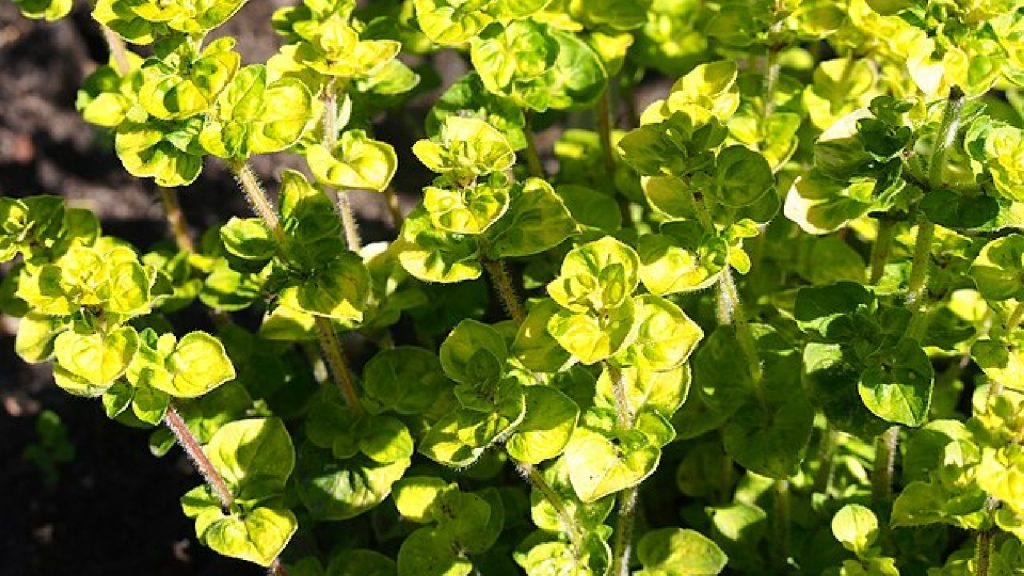
1. Thyme
Thyme may have tiny leaves, but its flavor is anything but mild. It’s a hardy herb that likes plenty of light and can handle a little shade if needed.
Keep the soil from staying soggy, and give it a sunny spot near a window. Fresh thyme works beautifully in soups, stews, roasted vegetables, chicken, and other hearty meals.
It’s also a good choice for someone who is still getting the hang of growing herbs indoors.
Related: 14 Plants That Turn Vertical Gardens Into Living Walls
2. Sage
Sage has soft, fuzzy leaves and a strong savory flavor that works especially well with poultry, stuffing, pasta, and roasted vegetables.
It doesn’t need constant watering. Let the soil dry out somewhat between waterings, and place the plant somewhere with moderate to bright light.
Sage also has a long history of use as an herbal plant, which gives you another reason to keep a small pot nearby.
3. Cilantro
Cilantro can completely change a bowl of salsa, tacos, curry, or a simple salad. Its bright, citrusy flavor is one of those things people tend to either love or strongly dislike.
Give cilantro plenty of light and keep the soil lightly moist without leaving it waterlogged. It can grow in a small container, making it a practical choice for a kitchen windowsill.
One thing to know: cilantro can bolt quickly once temperatures rise, so planting new seeds regularly can help keep a steady supply going.
Related: 10 Beautiful Plants That Also Keep Garden Pests Away
4. Dill
Dill has delicate, feathery leaves and a flavor that’s hard to confuse with anything else. It’s great with fish, potatoes, pickles, dips, salads, and homemade dressings.
It prefers plenty of sunlight and soil that drains well. Water when the top layer of soil starts to dry out.
If you let some of the flowers mature, you can also collect the seeds and use them for cooking or pickling.
5. Rosemary
Rosemary is a little slower growing than some of the softer herbs on this list, but its woody stems and fresh, pine-like scent make it a favorite for indoor gardens.
Give rosemary as much sunlight as you can. A bright kitchen window is ideal. Let the soil dry between waterings rather than keeping it constantly damp.
Fresh rosemary works especially well with roasted potatoes, vegetables, chicken, bread, and grilled meats. Its distinctive scent may also aid in concentration, making it a pleasant plant to have around while you’re working in the kitchen.
Related: 15 Easy-Care Plants That Naturally Repel Garden Pests
6. Lavender
Lavender is usually associated with its relaxing scent, but certain culinary varieties can also be used in desserts, teas, drinks, and some savory recipes.
It likes bright sunlight and soil that drains well. A sunny windowsill can work nicely as long as the plant gets enough light.
Keep in mind that not every lavender plant is intended for cooking, so check the variety before adding the flowers to food.
7. Tarragon
Tarragon has a mild anise-like flavor that can bring something different to homemade sauces, vinaigrettes, chicken, and fish dishes.
It prefers bright light and well-draining soil. It also doesn’t like sitting in wet soil for long periods, so let the surface dry a bit between waterings.
A small pot is usually enough to give you fresh leaves for cooking without taking over your counter.
8. Oregano
Oregano is a natural fit for a sunny kitchen. Its earthy, slightly peppery flavor is a staple in Italian, Greek, and Mediterranean cooking.
Use fresh oregano in pizza, pasta sauces, roasted vegetables, marinades, and grilled foods. Give it plenty of sunlight and avoid overwatering.
Having a living oregano plant nearby can also be handy if you regularly cook meals that call for just a small amount of fresh herb.
Related: 14 Easy-Care Plants That Keep Growing With Little Attention
9. Lemon Balm
Lemon balm has soft green leaves and a fresh lemon scent that makes it a pleasant addition to an indoor garden.
You can use the leaves in teas, fruit salads, desserts, and drinks. It prefers moderate to bright light and soil that drains well.
Lemon balm can spread quickly when planted outdoors, but keeping it in a container indoors makes it much easier to keep in check.
10. Bay Laurel
Bay laurel takes a little more patience than herbs such as basil or chives, but it can be grown indoors in the right conditions.
It prefers plenty of light and good air circulation. Let the soil dry somewhat between waterings, since constantly wet roots can cause problems.
Fresh or dried bay leaves are commonly used in soups, stews, sauces, beans, and slow-cooked dishes. Just remove whole leaves before serving since they’re tough and aren’t meant to be eaten whole.
11. Marjoram
Marjoram is closely related to oregano but has a sweeter, gentler flavor. It’s a good match for roasted meats, vegetables, beans, soups, and sauces.
Give it a sunny spot and use a pot with good drainage. Marjoram doesn’t need to stay wet, so allow the soil to dry somewhat before watering again.
If you like oregano but want something a little softer in flavor, marjoram is worth trying.
12. Fennel
Fennel is easy to recognize by its delicate, feathery leaves and subtle licorice-like flavor. The fronds can be chopped into salads, soups, sauces, and other dishes.
A sunny location and well-draining soil will give fennel the best start indoors. You can also collect the seeds once the plant flowers and dries.
Fennel seeds are commonly used in cooking and can also be brewed into tea.
13. Basil
Basil is one of the easiest ways to get a lot of use out of a small indoor garden. If you make pasta, pizza, salads, sandwiches, or tomato-based dishes, fresh basil can quickly become a kitchen staple.
Give basil six to eight hours of sunlight each day if possible. Water when the soil starts to dry, but don’t leave the roots sitting in water.
Pinch off the growing tips regularly to encourage a fuller plant. And don’t wait until the plant is flowering to start harvesting. Frequent trimming gives you plenty of fresh leaves for cooking.
14. Mint
Mint is a great pick for beginners because it grows readily and doesn’t require much fuss.
Use the leaves in iced tea, lemonade, desserts, salads, sauces, or cocktails. It also adds a fresh scent to the kitchen.
Mint can spread aggressively, so keep it in its own container rather than planting it with your other herbs. A spot with some morning sunlight can work well.
15. Chives
Chives are compact, useful, and easy to snip whenever you need a little onion flavor.
They like bright light and soil that drains well. Cut the green stems as needed, leaving enough growth behind for the plant to keep producing.
Fresh chives are great over scrambled eggs, soups, salads, cream cheese, and baked potatoes.
For a small kitchen garden, chives are hard to beat because they don’t need much room and can provide repeated harvests.
16. Parsley
Parsley deserves more attention than it usually gets. It’s often treated as a garnish, but fresh parsley can add plenty of flavor to soups, sauces, salads, pasta, potatoes, and grain dishes.
It can grow indoors with moderate light, although a bright window will give it better conditions. Keep the soil lightly moist without letting it become soggy.
Parsley also provides vitamins A, C, and K, so there’s more to the plant than its familiar green appearance.
Make Your Kitchen Garden Work for Your Space
You don’t need 16 pots lined up across your kitchen to make indoor gardening worthwhile. Start with a few herbs you actually use, then add more as you get comfortable caring for them.
Basil, chives, mint, parsley, thyme, and oregano are good places to start because they’re useful in plenty of everyday recipes. Put the plants where you can easily reach them, give each one the light and watering routine it needs, and harvest a little at a time.
A small windowsill garden won’t replace a backyard vegetable garden, but it can give you fresh herbs whenever you need them, and that’s a pretty good use of a few feet of kitchen space.