
Insulation is one of those parts of a house you rarely think about until something goes wrong. It sits behind walls and above ceilings, quietly helping your home stay cooler in hot weather and warmer when temperatures drop. When it starts wearing out, the clues can show up in your energy bills, comfort, and even the condition of your attic.
Many homeowners don’t realize their insulation needs attention until the problem has been going on for quite a while. If you’ve noticed any of these signs, it may be time to take a closer look at what’s happening behind the walls and above the ceiling.
Your Energy Bills Keep Climbing
If your energy bills seem to get higher without a clear change in how much you use your heating or cooling, your insulation could be part of the problem.
Poor insulation allows heated air to escape during colder months and lets outdoor heat creep inside during warmer weather. Your HVAC system then has to run longer to keep the house at the temperature you’ve selected.
A sudden increase in energy costs doesn’t automatically mean your insulation is failing, but it’s worth checking if you’ve also noticed other warning signs around the house.
Some Rooms Are Much Hotter or Colder Than Others
Does one bedroom feel freezing while another room feels perfectly comfortable? Uneven temperatures can point to gaps, thin spots, or poorly distributed insulation.
This can be especially noticeable in rooms located beneath an attic, above a garage, or along exterior walls. If your HVAC system is working but certain parts of the house never seem to reach the same temperature, insulation is one place to investigate.
You Feel Drafts Around the House
A chilly draft doesn’t always mean you need more insulation. Gaps around windows, doors, electrical outlets, and other openings can also let outside air inside.
Still, if you regularly feel cold air coming through walls, ceilings, or other areas that shouldn’t be drafty, damaged or missing insulation could be contributing to the problem. Sealing your home properly and keeping outside air from slipping inside can make a noticeable difference in comfort.
You’re Seeing More Pests in the Attic or Crawl Space
Insulation that has been disturbed, damaged, or pulled apart can leave openings where insects and small animals can get inside.
If you’ve recently noticed more pest activity in your attic or crawl space, inspect the area for damaged insulation, holes, droppings, or other signs of an entry point. Poorly insulated spaces can also become inviting spots for unwanted visitors.
Don’t assume replacing the insulation alone will solve the problem. Any openings where pests are getting inside should also be found and repaired.
Ice Dams Keep Forming on the Roof
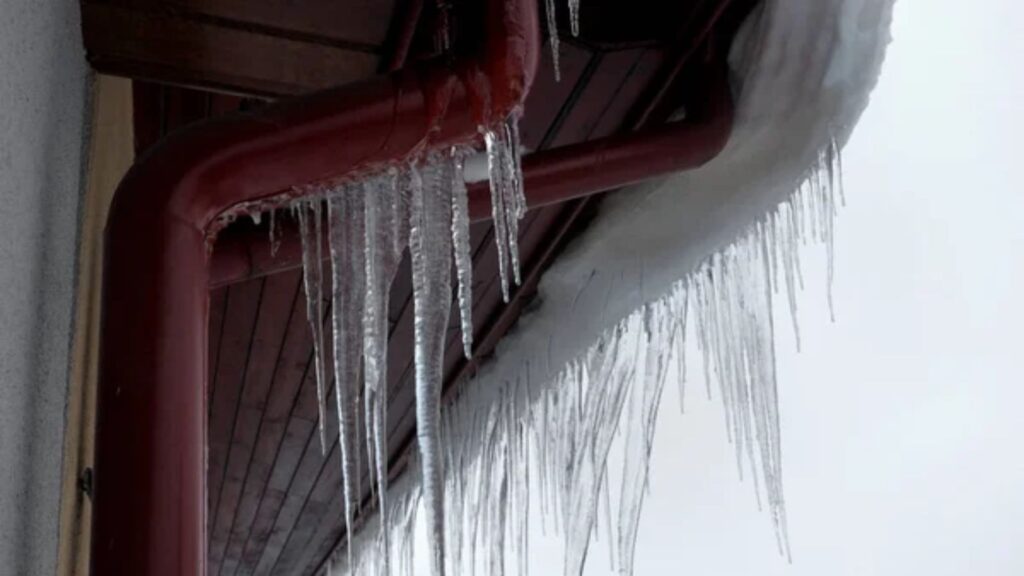
If you live somewhere with snowy winters, large ice dams along the roof can point to an insulation problem.
According to DECRA Metal Roofing, ice dams can form when heat from the house escapes into the attic and warms the underside of the roof. Snow then melts and runs toward the colder edge of the roof, where it can freeze again.
Poor attic insulation can contribute to this cycle. If ice dams keep appearing, it’s worth having the attic and roof ventilation checked rather than treating the ice buildup as an isolated problem.
You’re Constantly Wearing a Sweater Indoors
There’s nothing wrong with grabbing a blanket on a chilly evening. If you’re wearing several layers just to feel comfortable in your own house, though, something may be off.
A poorly insulated home can lose indoor heat much faster than a properly insulated one. You might notice that the house feels cold soon after the heat turns off or that certain rooms are consistently uncomfortable.
Before blaming the thermostat, check whether your insulation is thin, damaged, or missing in key areas.
The Insulation in Your Attic Looks Thin or Flattened
Take a look in the attic if it’s safe to do so. Insulation that once had plenty of volume can settle, compress, or become damaged over time.
If the material looks unusually thin, flattened, wet, or uneven, it may no longer be providing the coverage your home needs. Water damage, pests, remodeling work, and age can all affect attic insulation.
A professional can check the insulation depth and condition and tell you whether adding more is appropriate or whether the existing material needs to be removed and replaced.
Your Home Feels Damp or Smells Musty
A musty smell or unusually damp indoor air shouldn’t be ignored.
Water can damage insulation and reduce its ability to do its job. Moisture problems can also create conditions where mold and mildew grow, especially in attics, crawl spaces, and wall cavities.
If you notice damp insulation, water stains, or a persistent musty odor, find the source of the moisture before replacing the insulation. A roof leak, plumbing problem, condensation, or ventilation issue may need to be fixed first.
You Hear More Noise From Outside
Insulation can help reduce the amount of sound that travels through walls and ceilings. If your home suddenly seems much louder than it used to be, damaged or missing insulation could be one possible reason.
You might notice traffic sounds, barking dogs, conversations, or other outdoor noises more clearly than before. Sound alone isn’t enough to confirm an insulation problem, but if it appears alongside drafts or uneven temperatures, it’s another clue worth checking.
Your Walls Feel Cold
Put your hand against an exterior wall on a cold day. If the surface feels noticeably colder than the rest of the room, there could be little insulation behind it.
Cold walls can also result from air leaks, thermal bridging, or other construction issues, so this test isn’t a diagnosis by itself. Still, consistently cold exterior walls are a good reason to have the insulation inspected, especially in an older house.
Allergy Symptoms Seem Worse at Home
Old or damaged insulation can sometimes contribute to indoor air-quality problems, particularly if it has been affected by moisture, pests, dust, or other contaminants.
According to Bartleby.com, poor insulation may contribute to increased exposure to outdoor pollutants and allergens. There can be many reasons for allergies or respiratory irritation, though, so don’t assume insulation is the cause without checking the rest of the home.
If your symptoms seem worse indoors, look at other possible sources too, such as dust, mold, pet dander, and poor ventilation.
Your HVAC System Seems to Run All Day
Your heating and cooling system should cycle on and off as it maintains the temperature. If it seems to run almost constantly and still struggles to keep the house comfortable, poor insulation could be part of the issue.
A hard-working HVAC system isn’t always caused by insulation. Dirty filters, blocked vents, an aging system, duct leaks, and thermostat problems can all have similar symptoms.
Still, if the system checks out and the house continues to lose heat or cool air quickly, having the insulation inspected is a sensible next step.