
Red kettles, ringing bells, and thrift stores have made the Salvation Army one of the most recognizable charitable organizations in the world. Founded in 1865, the Christian nonprofit provides disaster relief, food assistance, shelters, rehabilitation programs, and many other services in communities across the globe.
At the same time, the organization has faced criticism over the years from advocacy groups, former employees, and some donors. While many people continue to support its work, others have chosen to donate elsewhere because of concerns about its policies, leadership, and practices.
Here are 15 reasons some people think twice before donating to the Salvation Army.
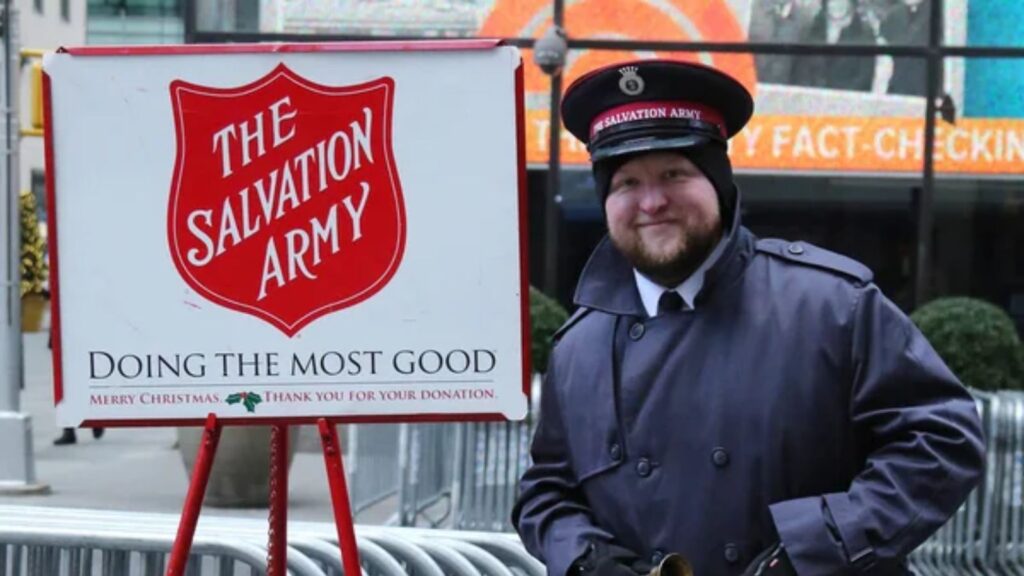
Controversial Stance on LGBTQ+ Rights
The Salvation Army has faced criticism for past positions and public statements related to LGBTQ+ rights. Advocacy groups have pointed to instances where the organization supported policies they viewed as discriminatory or opposed legislation that expanded LGBTQ+ protections. Although the Salvation Army says it serves people regardless of sexual orientation or gender identity, its history continues to influence how some people view the organization.
Related: 13 Reasons You Might Be Struggling to Make Friends
Discrimination Allegations
Over the years, former employees and individuals seeking services have filed complaints alleging discrimination based on religion, sexual orientation, gender identity, or other protected characteristics. The Salvation Army has denied many of these claims and says it is committed to serving everyone fairly. Still, the lawsuits and complaints have remained part of the public conversation.
Limited Financial Transparency
Many donors like to know exactly how their contributions are spent. While the Salvation Army publishes annual financial reports and tax filings, some charity watchdogs and critics argue that the available information does not always provide enough detail for donors who want a clearer breakdown of spending across programs, fundraising, and administration.
Related: 15 Eye-Opening Reasons Why You Should Rethink Donating to the Salvation Army
Questions About How Donations Are Spent
Like most large nonprofit organizations, the Salvation Army has administrative costs, employee salaries, and fundraising expenses. Some critics believe too much of its budget goes toward overhead instead of direct services, while supporters note that operating shelters, stores, and social programs also requires staffing and infrastructure. Donors who prioritize financial efficiency often compare organizations before deciding where to give.
Past Connections to Conversion Therapy
Some LGBTQ+ advocacy organizations have criticized the Salvation Army over past reports linking parts of the organization to conversion therapy or support for efforts aimed at changing a person’s sexual orientation. The Salvation Army has stated that it does not provide conversion therapy, but earlier controversies continue to affect public opinion.
Related: No Need to Haul It Yourself—The Salvation Army May Pick Up These Donations for Free
Religious Influence on Services
The Salvation Army is a Christian church as well as a charitable organization. Although it states that assistance is available regardless of religious background, some former clients have said they felt uncomfortable with the religious setting or believed faith played too large a role in certain programs. Others report receiving services without any religious pressure.
Concerns About Employee Pay
Some current and former employees have argued that wages for frontline workers do not always reflect the demands of their jobs. Staff members working in shelters, thrift stores, and community programs have raised concerns about compensation, particularly in areas with a high cost of living.
Related: People Are Starting to Feel Priced Out of Thrift Stores — and They’re Frustrated
Labor Relations
In some regions, labor groups have criticized the Salvation Army over disputes involving employee rights, wages, and union representation. These disagreements have resulted in criticism from labor advocates who believe the organization should do more to support workplace protections for its employees.
Concerns About LGBTQ+ Homeless Services
The Salvation Army operates shelters across many communities, but some LGBTQ+ advocates say past policies and public controversies have made some people hesitant to seek help there. In 2019, singer Ellie Goulding publicly questioned her involvement in a Salvation Army fundraising event because of concerns raised by LGBTQ+ organizations.
Leadership Controversies
Like many large organizations with a long history, the Salvation Army has seen leaders make public statements that sparked criticism. Comments involving politics, race, gender, or sexuality have sometimes drawn attention and shaped public opinion, even when they did not represent official organizational policy.
Disaster Relief Criticism
The Salvation Army regularly responds to hurricanes, floods, wildfires, and other emergencies. While many communities praise its disaster relief work, there have also been instances where critics questioned how resources were distributed or argued that aid was delivered more slowly than expected.
Influence of Religious Leadership
Some critics believe church leadership has a strong influence over how the organization operates and allocates resources. While donations come from people of many backgrounds, decisions are ultimately guided by the Salvation Army’s governing structure and religious mission.
Focus on Short-Term Assistance
The Salvation Army is widely known for providing immediate help through food pantries, shelters, clothing assistance, and emergency aid. Some critics believe the organization should invest more heavily in long-term programs that address the root causes of poverty, such as education, job training, and affordable housing initiatives.
Past Positions on Women’s Issues
Some branches of the Salvation Army have historically held conservative views on issues involving reproductive rights and other women’s issues. Although policies and public messaging have changed over time in many locations, those earlier positions continue to influence how some people view the organization today.
Other Charities to Consider
For people who have concerns about the Salvation Army, there are many other nonprofit organizations working in similar areas. Groups such as Feeding America, local food banks, homeless shelters, disaster relief organizations, and LGBTQ+ support organizations are often recommended as alternatives. Many donors compare charities based on financial transparency, mission, community impact, and personal values before deciding where to contribute.