
Growing vegetables from kitchen scraps is one of the easiest ways to cut down on food waste while getting more from the groceries you already buy. Many common vegetables can produce fresh leaves, shoots, or even full plants with just a little water, sunlight, and patience. Whether you have a backyard or a sunny windowsill, these simple projects are a fun way to keep fresh produce growing at home.
Here are 10 vegetables you can regrow from kitchen scraps.
Lettuce
Lettuce is one of the easiest vegetables to regrow. Save the bottom inch of the head and place it in a shallow bowl with enough water to cover the base. Change the water every day, and within a week, you’ll notice fresh leaves growing from the center. Once the new growth is established, move it to a pot or directly into the garden for continued growth.
Related: 15 Vegetables That Attract Beneficial Pollinators
Celery
Instead of tossing the base of a celery bunch, place it in a bowl or jar with a small amount of water. Keep it in a bright spot, and within a week, fresh leaves will begin growing from the center. After the roots begin to develop, transplant it into soil where it can continue producing new stalks.
Green Onions
Green onions are one of the quickest vegetables to regrow. Leave about an inch of the white root end attached and place it in a glass with just enough water to cover the roots. Replace the water every day, and you’ll see fresh green shoots within a few days. Snip off what you need for cooking, and the onions will keep growing.
Related: 13 Surprising Vegetables That Thrive Without Soil
Carrots
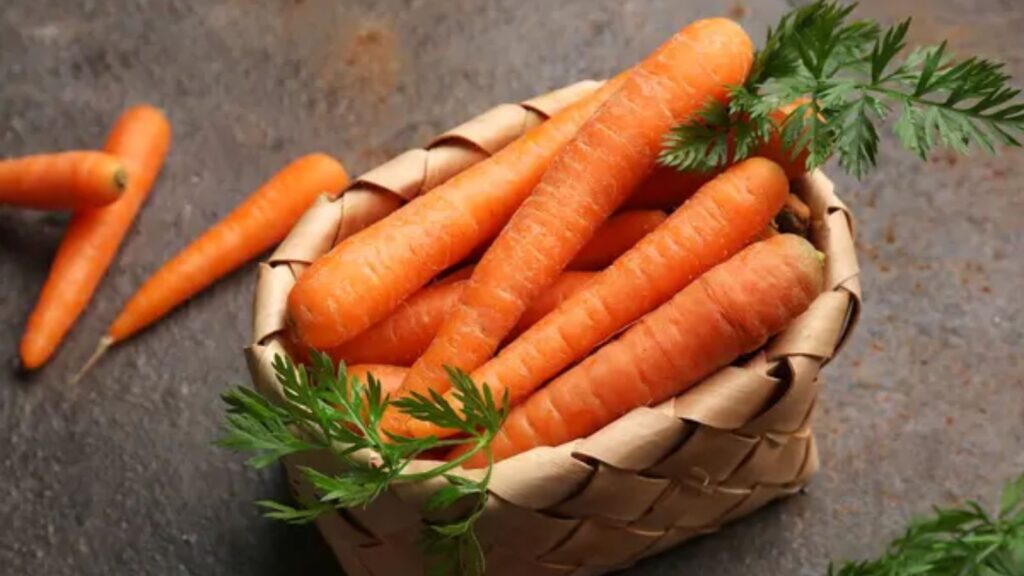
While carrot tops won’t grow another full carrot, they will produce fresh leafy greens that are edible and attractive. Cut off the top inch of the carrot and place it in a shallow dish with a little water or set it in moist soil. Keep it in a sunny location, and new green growth will appear within a couple of weeks.
Garlic
A garlic clove that’s beginning to sprout doesn’t have to go to waste. Plant it in soil with the pointed end facing up and keep the soil lightly moist. You’ll soon have fresh garlic greens to harvest, or you can leave the plant in the ground long enough for it to develop a new bulb.
Potatoes
Potatoes naturally sprout from their “eyes.” Cut a sprouting potato into sections, making sure each piece has at least one eye. Let the cut surfaces dry for about a day before planting them a few inches deep in soil. Keep the soil evenly moist, and new plants should begin growing within a few weeks.
Related: 11 Low-Maintenance Vegetables for Beginner Gardeners
Ginger
A fresh piece of ginger with visible buds can easily become a new plant. Plant the root a couple of inches deep with the buds facing upward in loose, well-draining soil. Water regularly without soaking the soil. New shoots usually appear within a few weeks, and you can harvest pieces of the root while allowing the rest of the plant to keep growing.
Peppers
Instead of throwing away pepper seeds, save a few from a ripe pepper. Dry them briefly, then start them on a damp paper towel or plant them directly in seed-starting mix. Keep the soil warm and lightly moist. Once the seedlings are large enough, transplant them into larger containers or your garden.
Radishes
Radish tops can produce fresh leafy greens after the root has been trimmed away. Leave a small portion of the top attached and place it in a shallow dish of water or moist soil. New leaves will begin growing within a week or two. While you won’t grow another full-sized radish from the same root, the greens are great for salads and other dishes.
Related: 12 Garden Vegetables That Require Minimal Watering
Cabbage
Save the base of a cabbage head and place it in a shallow container of water with the cut side facing up. Fresh leaves will begin forming from the center after several days. Once roots start to develop, transplant it into soil so it can continue growing.