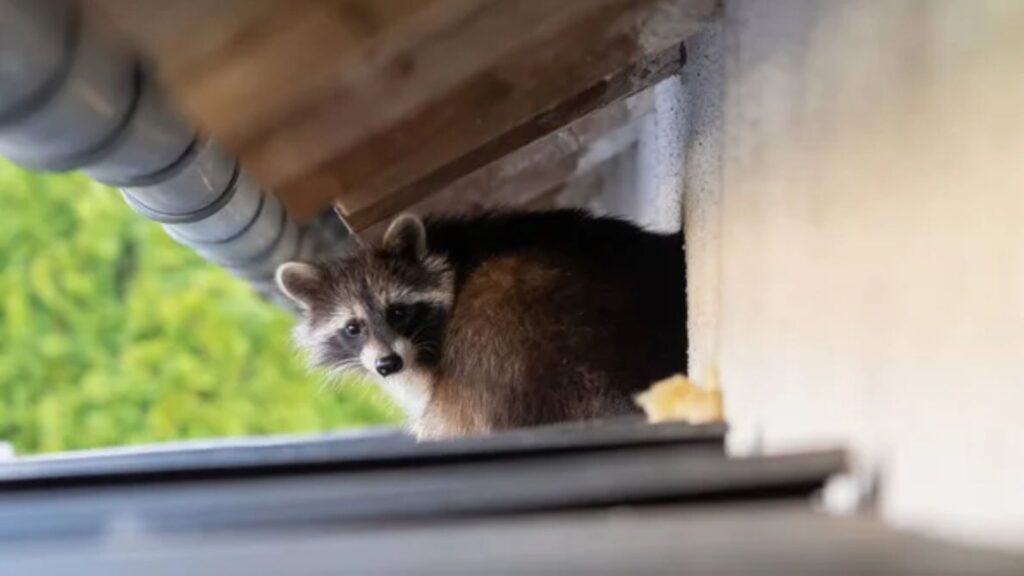
If you’ve ever spotted a raccoon wandering through your yard after sunset, your first thought may have been to shoo it away. While raccoons can certainly become a nuisance if they get into garbage cans or pet food, they also play a useful role in many local ecosystems. Like many wild animals, they can offer surprising benefits when they aren’t encouraged to rely on people for food.
Here are 10 reasons raccoons may be more helpful than you think.
Natural Pest Control
Raccoons eat a wide range of insects, including beetles, grubs, caterpillars, and other bugs that can damage gardens. By feeding on these pests, they can help reduce insect numbers without the need for chemical pesticides.
Related: 15 Best Root Vegetables for Your Backyard Garden
They Help Spread Seeds
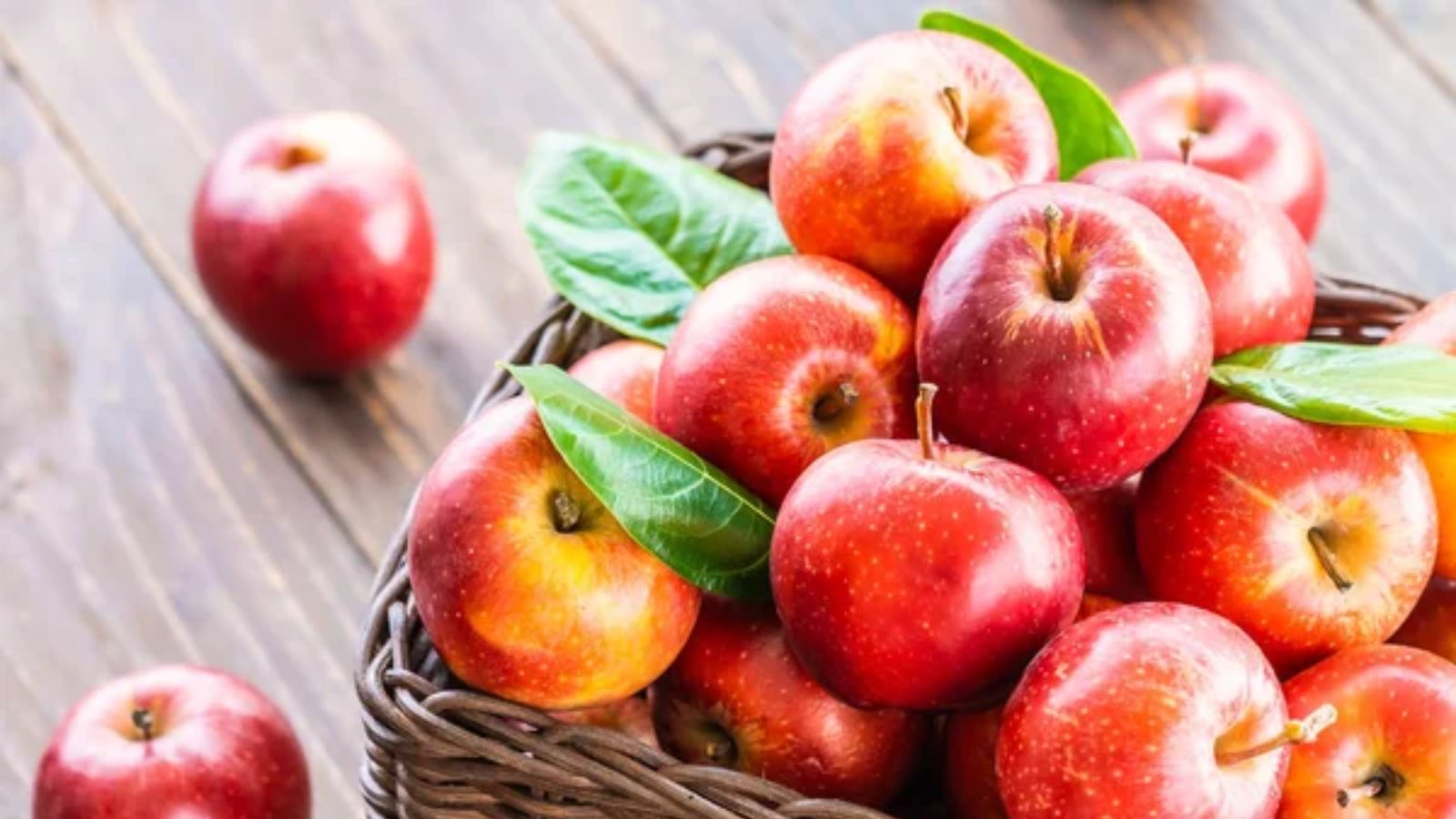
Fruit is a regular part of a raccoon’s diet. After eating berries and other fruits, they spread seeds through their droppings as they travel. This natural process helps native plants, shrubs, and wildflowers grow in new places.
Fun to Watch From a Distance
Raccoons are curious, clever animals with surprisingly nimble front paws. Watching them explore your yard, climb trees, or investigate objects can be entertaining, provided you keep a safe distance and don’t encourage them to stay.
They Support Backyard Biodiversity
Every animal has a role in the local food web, and raccoons are no exception. By feeding on insects, fruits, small animals, and other food sources, they help maintain a healthy balance that supports many other species living nearby.
Related: 15 Serene Water Features to Transform Your Backyard Oasis
They May Reduce Rodent Numbers
Although insects and fruit make up much of their diet, raccoons also eat mice, rats, voles, and other small animals when the opportunity arises. This natural hunting behavior may help keep rodent populations from growing too large.
They’re Remarkably Intelligent
Raccoons are known for their problem-solving skills. Studies have shown they can remember solutions to puzzles for years, making them one of the smartest wild mammals in North America. Their intelligence allows them to survive in forests, suburbs, and even busy cities.
They Show How Wildlife Can Adapt
Raccoons have learned to live alongside people in places where many other animals struggle. Their ability to adjust to changing environments is a reminder that wildlife can often find ways to survive despite expanding neighborhoods and cities.
Related: 12 Backyard Trees That Cause More Problems Than They’re Worth
They Spark Children’s Interest in Nature
Seeing a raccoon in the yard can become a valuable learning experience for children. Observing wildlife from a safe distance helps kids learn about animal behavior, local ecosystems, and the importance of respecting wild animals in their natural habitat.
Experts Say They’re Often Misunderstood
Wildlife researchers have long pointed out that raccoons are far more than neighborhood scavengers. Dr. Suzanne MacDonald, a wildlife psychologist and professor at York University, has described raccoons as highly intelligent problem-solvers whose behavior reflects their ability to survive in many different environments. Looking at them this way makes it easier to appreciate the role they play in nature.
They Help Maintain a Healthy Ecosystem
Raccoons are one piece of a much larger ecosystem. By eating insects, rodents, fruits, and carrion, they help recycle nutrients and keep animal populations in balance. Research has shown that healthy predator populations can reduce crop pests while supporting birds, pollinators, and other wildlife that depend on balanced ecosystems.
A Quick Reminder: While raccoons can benefit local ecosystems, it’s still best to admire them from a distance. Avoid feeding them, secure your trash cans, and remove pet food left outdoors. These simple habits help keep raccoons wild while reducing conflicts around your home.