Society is constantly changing. Customs that once seemed perfectly ordinary can look shocking through today’s eyes, and some practices that were once accepted are now illegal or widely condemned.
Many of these old norms reflected the beliefs, traditions, and laws of their time. Looking back at them shows just how much attitudes toward human rights, equality, and personal freedom have changed over the years.
Here are 10 old societal norms that could land you in trouble today.
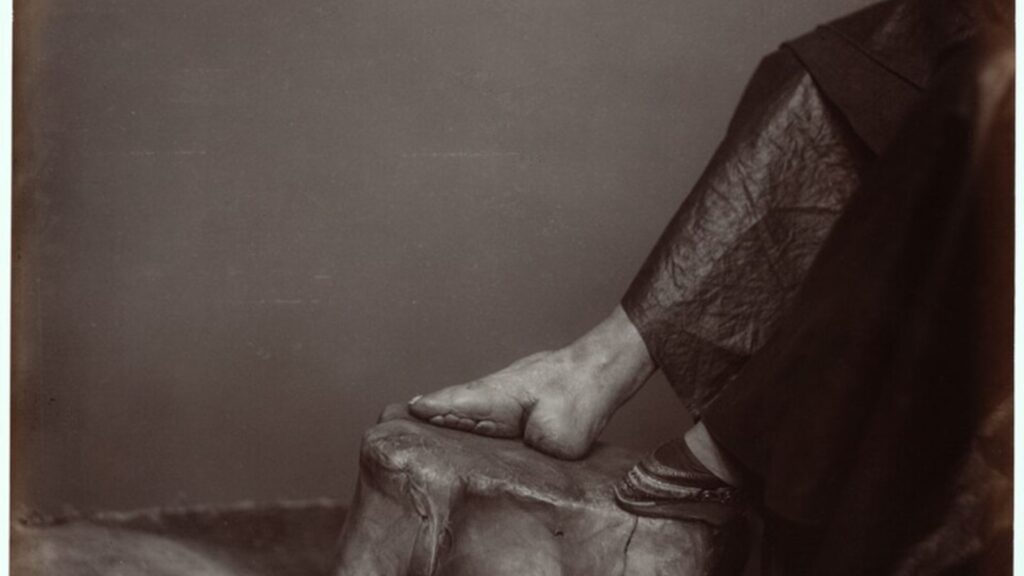
Foot Binding in China
For centuries, some wealthy families in China practiced foot binding on young girls. Their feet were tightly wrapped from childhood to keep them as small as possible because tiny feet were considered attractive and a symbol of status.
The process permanently deformed the feet and caused severe pain that often lasted a lifetime. Today, foot binding is recognized as a harmful practice and has long been outlawed. It stands as an example of how dangerous beauty standards can become.
Witch Hunts
During the 16th and 17th centuries, fear of witchcraft swept across parts of Europe and North America. Thousands of people, most of them women, were accused of being witches based on rumors, superstition, or personal grudges.
Many innocent people were imprisoned, tortured, or executed. Today, these events are remembered as one of history’s most tragic examples of mass hysteria and injustice.
Racial Segregation
For many years, laws in several countries separated people based on race. Schools, restaurants, public transportation, neighborhoods, and even drinking fountains were divided according to skin color.
Today, racial segregation is widely recognized as discrimination. Civil rights laws in many countries prohibit this kind of unequal treatment.
Corporal Punishment in Schools
Physical punishment was once considered a normal way to discipline students. Children could be paddled, caned, or struck for breaking school rules.
Research has since shown that physical punishment can harm children’s emotional well-being and does little to improve behavior over the long term. Many countries and school systems have banned the practice.
Lobotomies for Mental Illness
During the first half of the 20th century, lobotomies were performed on people with serious mental illnesses. Doctors believed the surgery could relieve conditions such as depression, anxiety, and schizophrenia.
Instead, many patients were left with permanent brain damage, personality changes, or serious disabilities. Modern medicine now relies on far safer treatments, including therapy and carefully monitored medications.
Child Labor
During the Industrial Revolution, it was common for young children to work in factories, mines, and mills for long hours under dangerous conditions.
Today, forcing children into hazardous work is widely recognized as exploitation. Labor laws and international agreements now protect children and place greater emphasis on education and safety.
Sati
Sati was a practice that existed in parts of India in which a widow was expected or pressured to die on her husband’s funeral pyre.
Although it was viewed by some as an honorable tradition at the time, it is now recognized as violence against women. The practice has been outlawed for many years.
Debtors’ Prisons
There was a time when people who couldn’t repay their debts could be sent to prison. Instead of helping them recover financially, imprisonment often made it impossible for them to earn money and pay what they owed.
Most countries have eliminated debtors’ prisons, recognizing that financial hardship should not result in incarceration.
Animal Testing for Cosmetics
For decades, many cosmetic companies tested products on animals before selling them to consumers.
Public opinion has changed considerably, and many companies now rely on laboratory-grown cells and other testing methods instead. Several countries have banned or restricted the sale of cosmetics developed through animal testing.
Mandatory Retirement
Many employers once required workers to retire after reaching a certain age, regardless of their health or ability to do the job.
Today, mandatory retirement is restricted or prohibited in many places because it can amount to age discrimination. Older employees are generally protected by laws that allow them to continue working if they choose and remain qualified.