Grocery shopping has a way of turning a short list into a full cart. Many of us toss in items out of habit, convenience, or clever marketing, only to realize later they cost more than they’re worth or end up going to waste.
Cutting back doesn’t mean giving up everything you enjoy. It simply means looking at which products actually make sense for your budget and lifestyle. In many cases, there are less expensive options that work just as well.
Here are 13 grocery items you may want to stop buying.
Bottled Water
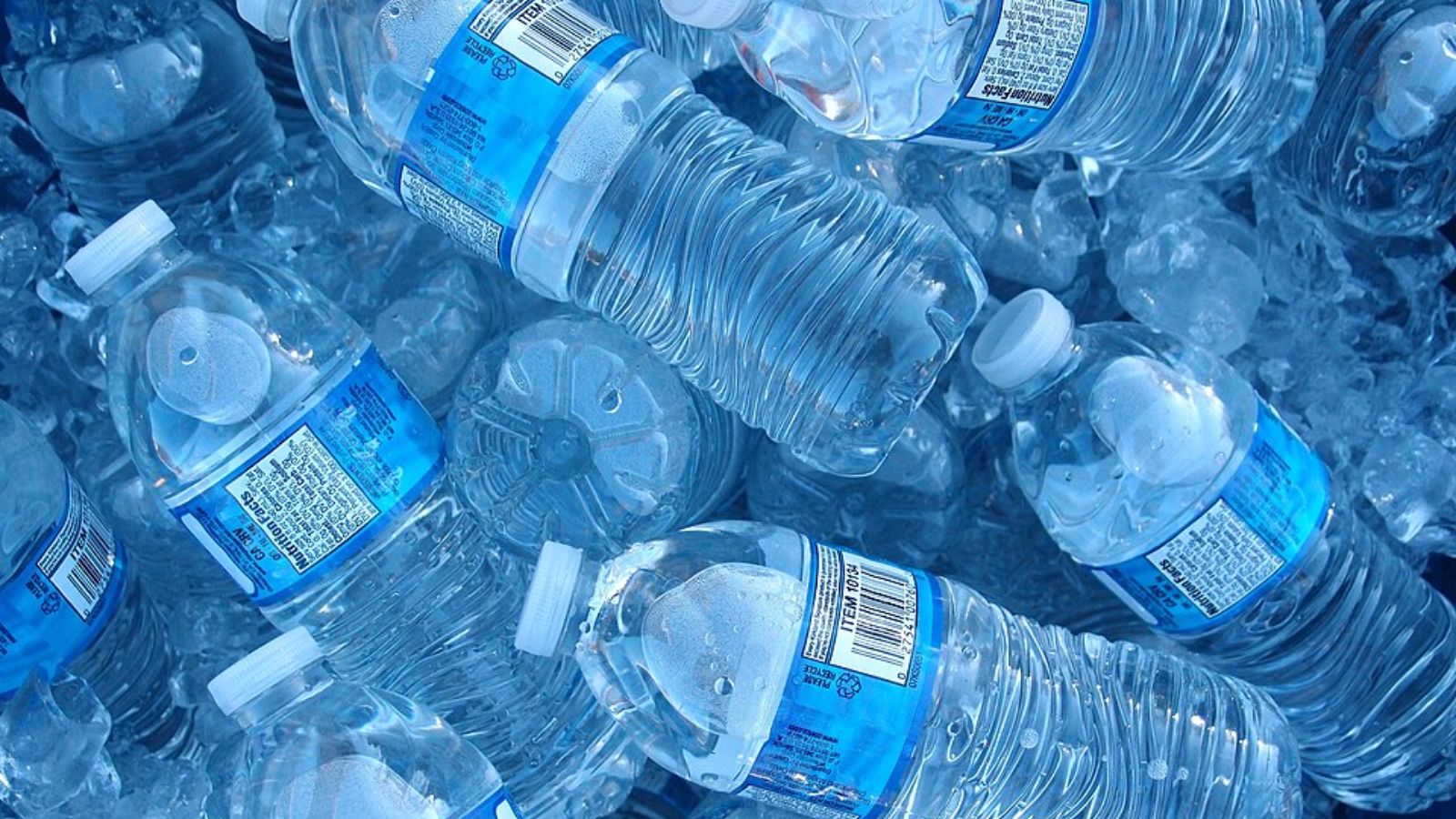
Single-use water bottles are convenient, but they can become surprisingly expensive over time. If your tap water is safe to drink, a reusable bottle and a good water filter can save a lot of money while creating far less plastic waste.
Keeping a refillable bottle with you also makes it less tempting to grab bottled water every time you’re out.
Pre-Cut Fruits and Vegetables
Pre-cut produce can save a few minutes in the kitchen, but that convenience often comes with a much higher price tag.
Buying whole fruits and vegetables and cutting them yourself usually costs less and often keeps the produce fresher for longer.
Individual Snack Packs
Small bags of crackers, chips, cookies, and other snacks are easy to grab, but you’re paying extra for the packaging.
Buying larger packages and dividing snacks into reusable containers or small bags at home usually stretches your grocery budget much further.
Prepared Meals
Ready-made meals from the freezer section or deli can be helpful on busy days, but they often cost considerably more than cooking from scratch.
Many also contain extra sodium, preservatives, and ingredients you may not choose yourself. Preparing larger batches at home and freezing leftovers can save both time and money.
Out-of-Season Produce
Fresh berries in winter or tropical fruit shipped from across the world often come with premium prices.
Buying fruits and vegetables that are in season is usually less expensive, and they often taste better because they’re harvested closer to peak ripeness.
Bottled Salad Dressing
A basic homemade dressing takes only a few minutes to mix together using ingredients many people already have in their kitchens.
Olive oil, vinegar, lemon juice, and a few seasonings can make a fresh dressing without the extra sugar or preservatives found in many bottled varieties.
Specialty Coffee Drinks
Coffee shop beverages can become one of the biggest hidden grocery and food expenses, especially if you buy bottled versions or ready-to-drink drinks for home.
Brewing coffee yourself and adding your favorite creamer or flavoring costs only a fraction of what you’ll spend on specialty drinks.
Frozen Yogurt Cups
Frozen yogurt is often marketed as a lighter dessert, but many single-serving cups contain just as much sugar as ice cream.
Buying a larger container or making frozen fruit treats at home can be a less expensive option while giving you more control over the ingredients.
Diet Foods
Products labeled “low-fat,” “diet,” or “light” aren’t always healthier. Many replace fat with extra sugar, sodium, or artificial ingredients to improve the taste.
Building meals around whole foods like fruits, vegetables, lean proteins, and whole grains is usually a better long-term choice than relying on heavily processed diet products.
Plant-Based Milk You Rarely Use
Almond, oat, soy, and other plant-based milks are excellent choices for people with dietary restrictions or personal preferences.
If you’re buying them because they seem trendy but regularly throw away half the carton, it may not be worth the extra cost. Buy only what you’ll actually finish before it expires.
Bottled Smoothies
Many bottled smoothies look healthy, but some contain large amounts of added sugar and fewer whole-food ingredients than you’d expect.
Making smoothies at home lets you control exactly what goes into them while often costing much less per serving.
Brand-Name Medications
For many over-the-counter medications, generic versions contain the same active ingredients as the brand-name products.
Checking the label and comparing ingredients can often save a surprising amount without sacrificing quality. If you have questions, ask your pharmacist which option is right for you.
Gourmet Oils and Vinegars
Specialty oils and flavored vinegars can be fun for certain recipes, but they aren’t always practical for everyday cooking.
A good-quality olive oil and a basic vinegar will handle most kitchen tasks. Save the specialty bottles for recipes where you’ll truly notice the difference.