

Most people dump used coffee grounds straight into the trash without thinking twice. But in the garden, those leftover grounds can actually be surprisingly useful, especially for plants that prefer slightly acidic, nutrient-rich soil.
Coffee grounds add organic matter, improve moisture retention, and slowly release nitrogen as they break down. They also help feed beneficial soil microbes, which is one reason so many gardeners like to work them into compost or sprinkle small amounts around acid-loving plants.
The key is moderation. A thin layer mixed into soil or compost works much better than dumping thick piles directly onto plants. Here are 21 acidic-loving plants that tend to respond especially well to used coffee grounds.
Roses (Rosa spp.)

Roses are heavy feeders, and the nitrogen in coffee grounds can encourage healthy foliage and stronger growth. A small amount worked into the soil in spring often helps support vigorous blooming during the growing season.
Coffee grounds also improve soil structure, which roses appreciate, as they prefer rich, well-drained conditions.
Blueberries (Vaccinium corymbosum)
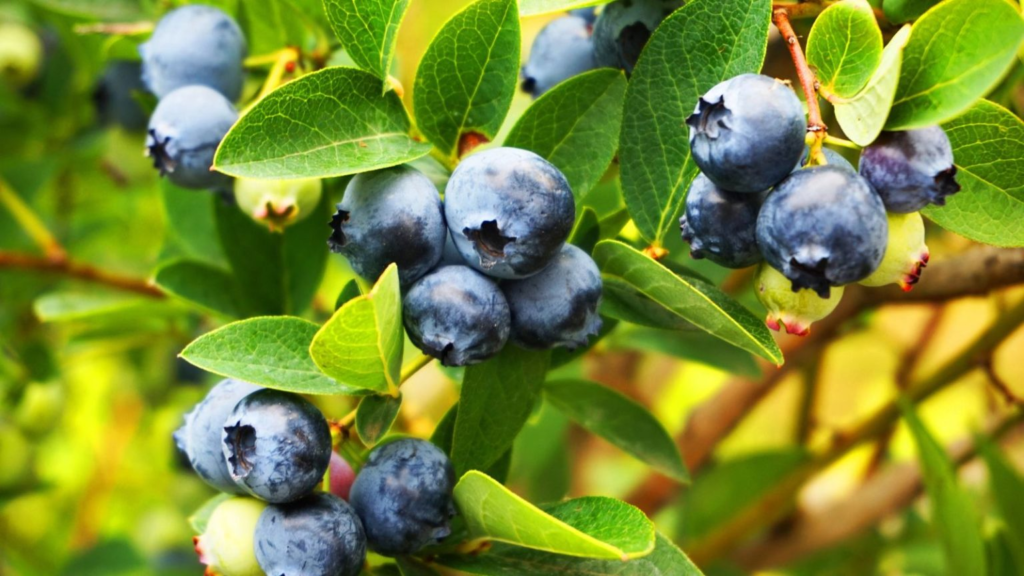
Blueberries naturally prefer acidic soil, which makes them one of the best-known plants for coffee grounds. Adding small amounts around the base can improve soil texture and support healthy berry production.
These shrubs also benefit from consistent moisture, and coffee grounds can help the soil retain water more evenly during hot weather.
Strawberries (Fragaria × ananassa)
Strawberries appreciate nutrient-rich soil with good organic matter, and coffee grounds can help provide that boost. Gardeners also like using them because they may discourage slugs from hanging around delicate berries.
These compact plants grow well in raised beds, containers, and garden rows, producing sweet fruit throughout late spring and summer.
Related: 15 Native Plants You’ll Want to Grow in Your Garden
Tomatoes (Solanum lycopersicum)
Tomatoes benefit from healthy, biologically active soil, and coffee grounds can help improve both texture and nutrient availability. Used lightly, they can support stronger root systems and steady growth.
Tomatoes are especially popular companion plants for basil, and both happen to respond well to small amounts of coffee grounds.
Grapes (Vitis vinifera)
Grapevines grow best in fertile, well-draining soil with good organic matter. Mixing composted coffee grounds into the soil around vines can help improve soil quality over time.
Healthy grapevines reward gardeners with vigorous growth and abundant fruit once established.
Basil (Ocimum basilicum)
Basil loves nutrient-rich soil and steady moisture, making coffee grounds a useful addition in moderation. The added organic matter can encourage fuller, leafier growth throughout the summer.
This fragrant herb grows especially well near tomatoes and is one of the easiest kitchen herbs to grow at home.
Azaleas (Rhododendron spp.)
Azaleas naturally prefer acidic soil, which is why gardeners often use coffee grounds around them carefully. The added organic material helps support healthier roots and stronger flowering.
These shrubs are especially popular for their vibrant spring blooms and ability to brighten shady landscapes.
Carrots (Daucus carota subsp. sativus)
Carrots grow best in loose, healthy soil that allows roots to develop evenly. Mixing a small amount of coffee grounds into garden beds can help improve soil texture before planting.
Healthier soil often leads to straighter, better-developed roots and a more productive harvest.
Blackberries (Rubus fruticosus)
Blackberries benefit from fertile soil rich in organic matter. Coffee grounds can help enrich the soil while improving moisture retention around the canes.
These vigorous berry plants can produce heavily once established and often thrive with minimal care.
Related: 20 Foods That Can Help Unclog Your Arteries
Parsley (Petroselinum crispum)
Parsley responds well to nutrient-rich soil and steady moisture. A light application of coffee grounds mixed into compost can help encourage fuller green growth.
This hardy herb is commonly grown in both vegetable gardens and containers because it’s easy to harvest throughout the season.
Camellias (Camellia japonica)
Camellias thrive in acidic soil and appreciate organic matter worked around their roots. Coffee grounds can help support healthier foliage and improved blooming over time.
These evergreen shrubs are especially valued for their glossy leaves and large flowers during cooler seasons.
Radishes (Raphanus sativus)
Radishes grow quickly and prefer fertile, well-drained soil. Coffee grounds can improve soil structure while providing a gentle nutrient boost during early growth.
Because radishes mature fast, they’re often one of the easiest vegetables for beginner gardeners to grow successfully.
Spinach (Spinacia oleracea)
Spinach loves nitrogen-rich soil, which makes coffee grounds especially helpful when used sparingly. The added nutrients can encourage lush leafy growth during cooler weather.
Spinach performs best in spring and fall gardens before temperatures become too hot.
Oregano (Origanum vulgare)
Oregano appreciates healthy soil with good organic matter, especially during active summer growth. Small amounts of coffee grounds can help improve soil quality without overwhelming the plant.
This hardy herb is drought-tolerant once established and adds strong flavor to many dishes.
Zucchini (Cucurbita pepo)
Zucchini plants are heavy feeders that benefit from nutrient-rich soil. Coffee grounds can help support vigorous growth and healthy fruit production during the season.
These plants tend to produce heavily once they get going, often leaving gardeners with more zucchini than expected.
Begonias (Begonia spp.)
Begonias enjoy rich soil that holds moisture without staying soggy. Lightly mixing coffee grounds into the soil can improve soil texture and support healthy foliage growth.
These flowering plants are popular for shaded patios, containers, and garden borders.
Cilantro (Coriandrum sativum)
Cilantro grows quickly in cooler weather and benefits from fertile, moisture-retentive soil. Adding composted coffee grounds can help support healthy leafy growth before the plant bolts in the heat.
This herb is commonly grown for both its fresh leaves and coriander seeds.
Broccoli (Brassica oleracea var. italica)
Broccoli benefits from nitrogen-rich soil, particularly during early leafy growth stages. Coffee grounds can help enrich garden beds and improve soil structure.
Healthy broccoli plants typically produce larger heads and stronger side shoots later in the season.
Raspberries (Rubus idaeus)
Raspberries appreciate fertile soil with good moisture retention and plenty of organic material. Coffee grounds can help improve soil quality while supporting vigorous cane growth.
These berry plants often produce best when mulched and regularly amended with compost.
Cucumbers (Cucumis sativus)
Cucumbers grow quickly and thrive in nutrient-rich soil with consistent moisture. A moderate amount of coffee grounds worked into compost or garden soil can help support strong vines and healthy fruit production.
These fast-growing plants are especially productive during warm summer weather with regular watering.