

Termites can be a homeowner’s worst nightmare, silently wreaking havoc while often going unnoticed until significant damage has occurred. Understanding what attracts these pests to your home is crucial.
In this guide, we will explore 13 common mistakes that can lead to termite infestations. Identifying and correcting these issues can reduce the risk of attracting termites and protect your home from costly repairs.
Excess Moisture
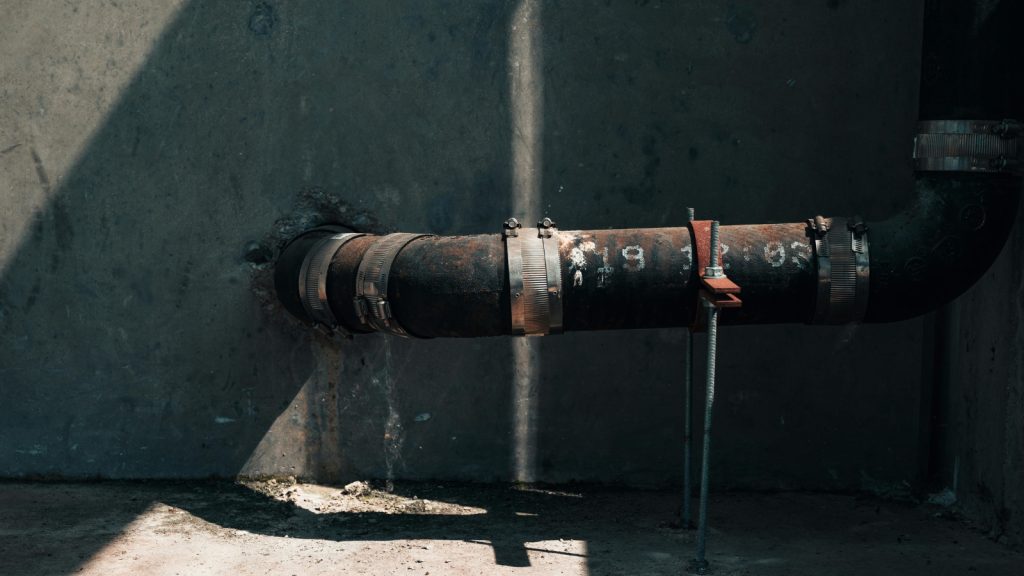
Termites thrive in damp environments, so addressing any moisture issues is vital. Leaky pipes, poor drainage, and excessive humidity can create inviting conditions. Keeping your home dry is a key preventative measure.
Wood-to-Ground Contact

Direct contact between wood and soil provides an easy entry point for termites. This includes decks, fences, and structural elements such as siding. Elevating wooden structures can significantly reduce the risk of infestation.
Inadequate Ventilation
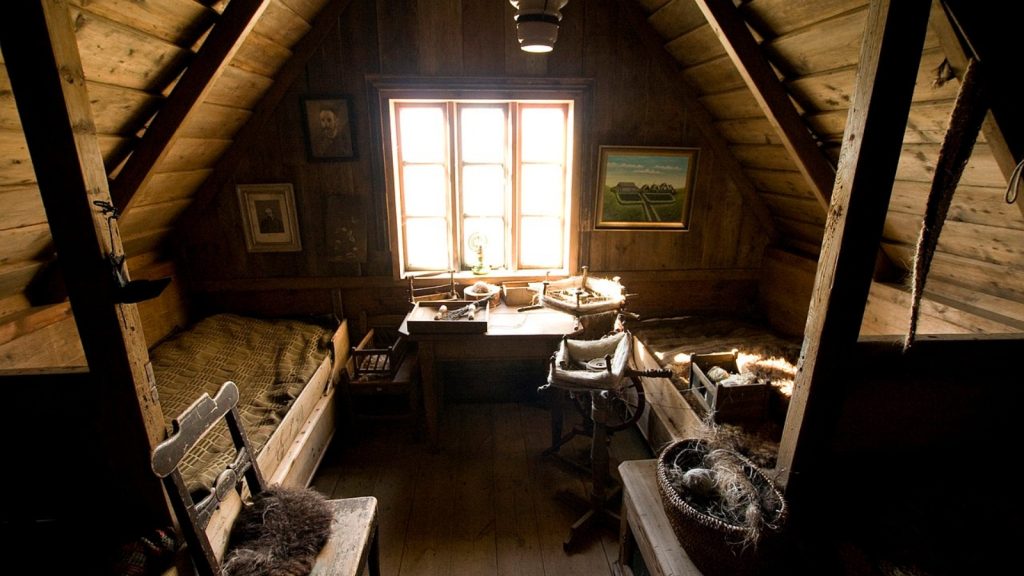
Poor ventilation in crawl spaces and attics can lead to moisture buildup, attracting termites. Ensuring that these areas have proper airflow is essential for maintaining dry conditions. Installing vents can help alleviate potential risks.
Storing Firewood Near the Home

Keeping firewood piled close to the home provides a perfect habitat for termites. It’s advisable to store wood at least 20 feet away and on a raised platform. This creates a barrier, reducing the chances of termites migrating to the house.
Cracked Foundations

Cracks in your home’s foundation can serve as entry points for termites. Regularly inspecting and repairing foundation issues is crucial to maintaining a pest-free environment. Sealing these cracks can effectively deter insects.
Neglecting Landscaping

Overgrown shrubs and trees can create a bridge for termites to access your home. Keeping plants trimmed and away from your structure is essential. Regular maintenance of landscaping can prevent infestations.
Poor Drainage

Standing water around your foundation can attract termites. It is crucial to ensure that gutters and downspouts direct water away from your home. Proper drainage systems help keep the surrounding area dry.
Using Untreated Wood

Using untreated wood for decks, fences, or landscaping can attract termites. Treated wood is less appealing to these pests and is crucial for outdoor structures. Always opt for pressure-treated lumber in termite-prone areas.
Piles of Debris

Accumulated debris, such as old wood or leaf litter, can become termite breeding grounds. Regularly clearing away such debris helps maintain a termite-free landscape. It’s advisable to keep areas tidy and well-kept.
Ignoring Potential Entry Points

Neglecting to seal gaps and cracks around windows, doors, and utility lines allows termites to enter. Routine checks for these vulnerabilities are necessary to maintain an airtight home, and sealing them can drastically reduce entry opportunities.
Neglecting Regular Inspections

Failing to perform regular inspections can allow termites to invade unnoticed. Homeowners should schedule annual check-ups, especially in areas prone to infestations. Early detection can save thousands in damage repairs.
Lack of Mulch Management

Wood-based mulch used in gardens can attract termites closer to your home. If you use mulch, keep it at least 15 inches from the foundation. Consider alternatives like gravel or rubber mulch to reduce its attraction.
DIY Termite Treatments

Attempting to eradicate termites yourself can do more harm than good. Professional pest control is typically the best solution and may save you money in the long run. Improper treatments can worsen infestations and cause lasting damage.