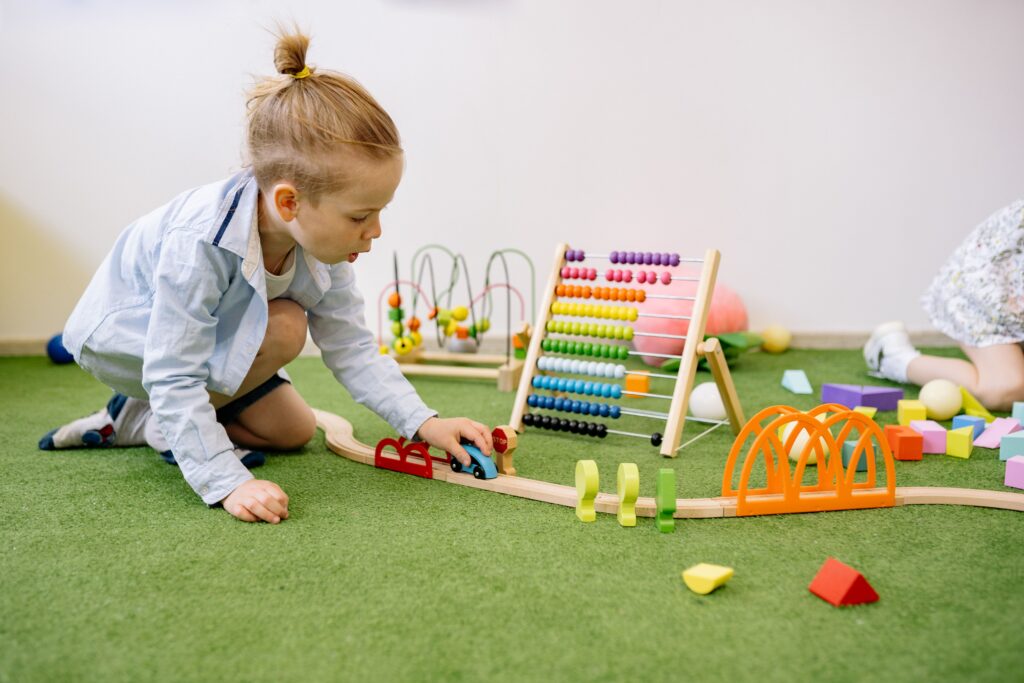
When your living room doubles as a playroom, toys can end up on the sofa, under the coffee table, and across every bit of open floor. You don’t need a separate playroom to keep things tidy, just a few storage spots that make cleanup easier for everyone.
The trick is to keep favorite toys within reach during the day while giving them a place to go at night. These ideas can help your living room feel like a family space again without taking the fun away from your kids.
Hide Toys in Lidded Baskets
Large lidded baskets are great for stuffed animals, building blocks, and toys that tend to spread across the floor. Tuck one beneath a console table or beside the sofa so kids can put things away quickly when they’re done playing.
Related: 12 Unexpected Ways Your Houseplants Could Be Affecting Your Health
Repurpose a Sideboard or Credenza
A secondhand sideboard or credenza can hold plenty of toys without making your living room look like a playroom. Add small bins inside to sort games, art supplies, and building sets, then close the doors to keep everything out of sight.
Related: 15 Best Places to Sell Used Furniture Online
Choose a Storage Ottoman
A storage ottoman gives you a place to put your feet up while hiding toys inside. Choose a larger one to replace your coffee table or give each child a smaller version for their own belongings.
Make Room for Toys in Your Media Console
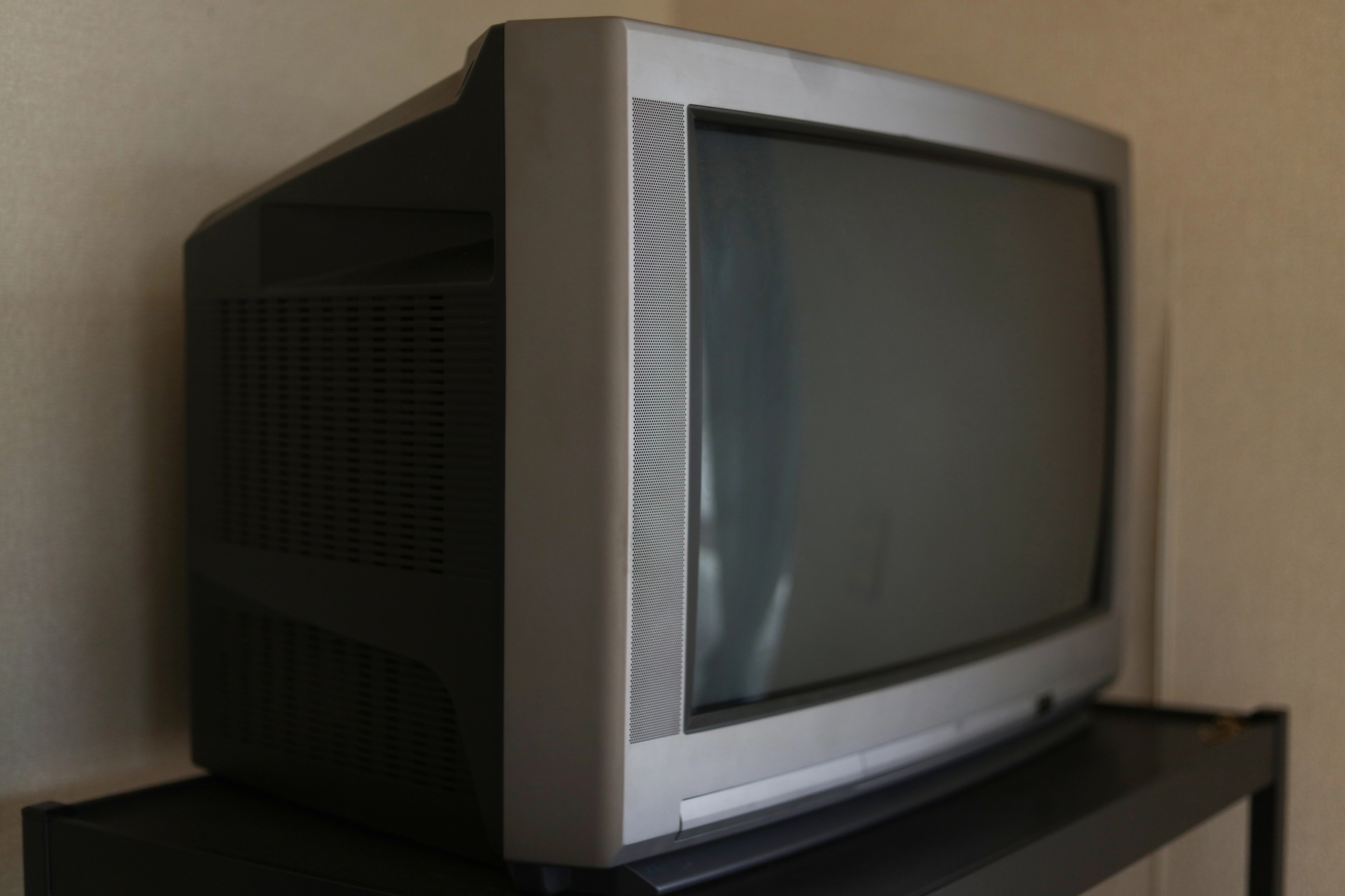
The cabinet beneath your TV can hold more than electronics, remotes, and cables. Set aside a drawer or compartment for toys so kids can play nearby and put everything away without carrying it across the house.
Use Built-In Cabinets to Hide Toy Clutter
If your living room has built-in cabinets or shelves, save the lower compartments for toys, puzzles, and games. Keep the doors closed when playtime ends, and display books, family photos, and decorative pieces above.
Related: 10 Affordable Ways to Make Your Home Look More Inviting
Mix Open Shelving With Hidden Storage
Open shelves work well for displaying a few favorite books and toys, but a whole collection can make the room look crowded. Place matching bins in lower cubbies and keep less attractive odds and ends inside drawers or cabinets.
Build Storage Into a Window Seat or Reading Nook
A window seat can double as toy storage if it has drawers or compartments beneath the bench. Keep picture books, puzzles, and quiet activities inside so children can reach them on their own and put them away afterward.
Related: How to Create the Perfect Cozy Reading Nook
Give Secondhand Furniture a New Purpose
An old dresser or vintage cabinet can become a handy toy-storage piece with a good cleaning and a fresh coat of paint. Use the drawers for smaller toys and style the top with a lamp, framed photos, or a few decorative items.
Use Overlooked Spaces Around the Room
The space behind a sofa or beneath a window may fit a narrow cabinet, low crates, or shallow storage bins. These tucked-away spots keep toys close by without adding bulky furniture to the main seating area.
Turn a Vintage Trunk Into a Coffee Table
A roomy trunk can hide larger toys while adding character to your living room. Choose one with a child-safe lid that won’t slam shut, and keep the top clear so you can open it when you need what’s inside.
Store Games Inside a Multipurpose Table
A coffee table with built-in storage gives puzzles, cards, and board games a home right where your family plays them. When game night ends, everything can go back inside instead of staying scattered across the tabletop.
Make Use of a Shallow Closet
Even a narrow living room closet can hold plenty of toys with a few shelves and storage bins. Keep everyday favorites within reach, and save the upper shelves for games or supplies that need adult help.
Look for a Sofa With Built-In Storage
Some sofas have hidden compartments beneath the seats for toys, blankets, and board games. If you’re planning to replace your sofa, choosing one with storage may save you from buying another cabinet or toy chest.
Install a Floating Console
A wall-mounted console gives you concealed storage while leaving the floor beneath it clear. Choose a model with doors or drawers, secure it properly to the wall, and keep smaller toys inside instead of letting them collect around the living room.
Try a Ladder-Style Storage Unit
A ladder-style unit can fit against a narrow wall without taking up much floor space. Choose one with closed drawers or cabinets at the bottom, and anchor it securely to prevent tipping, especially if young children are nearby.
Hide Toy Baskets Behind a Curtain
If you have open shelving or a play kitchen in the living room, a simple fabric curtain can hide the toys stored underneath. Pick a fabric that suits your décor so the storage blends into the room when playtime is over.
Sew Reversible Fabric Storage Bins
Soft fabric bins are handy for stuffed animals, blocks, and toys that don’t stack neatly on shelves. Reversible designs let you switch between two colors or patterns whenever you’d like to change the look of the room.
Choose a Freestanding Cabinet With Open and Closed Storage
A freestanding cabinet gives you flexible toy storage without the cost of installing custom cabinetry. Display a few books or favorite toys on the open shelves, and tuck the rest behind closed doors to reduce visual clutter.