
Many traditional manners that shaped childhood experiences are fading today. These small gestures not only showed respect but also helped build connections with others. The lessons learned during these formative years laid the groundwork for social skills that last a lifetime.
As society changes, so do the values and practices passed down through generations. Some manners that were once essential to daily life now seem less significant. With technology and modern lifestyles taking priority, children may miss learning important lessons about kindness and consideration. Recognizing these lost manners can help us preserve the essence of good behavior and nurture more respectful interactions among young ones.
Saying “Please” and “Thank You”

Excusing Yourself From the Table

Excusing oneself from the table seems to have disappeared with modern childhood. In previous generations, children were taught to excuse themselves before leaving the table, even if they had finished their meal. This behavior not only showed respect to the other diners but also helped instill discipline and self-control.
Holding The Door Open

Holding the door open for others, especially elders, was once a common courtesy. It showed thoughtfulness and consideration for others. Although it may seem unnecessary in today’s fast-paced world with automatic doors and revolving entrances, teaching children this simple gesture can help them develop empathy and awareness of the needs of those around them.
Greeting Elders With Respect

Addressing elders with respect was an essential part of traditional manners. Children were taught to greet their elders with “Good Morning” or “Good Afternoon,” followed by a polite inquiry about their well-being. This practice showed reverence and appreciation for the wisdom and experience of older generations.
Writing Thank-You Notes

With the rise of digital communication, handwritten thank-you notes have become a lost art. In previous generations, children learned to write thank-you notes for gifts or acts of kindness. This practice showed gratitude and helped develop writing skills and thoughtfulness towards others.
Offering Your Seat
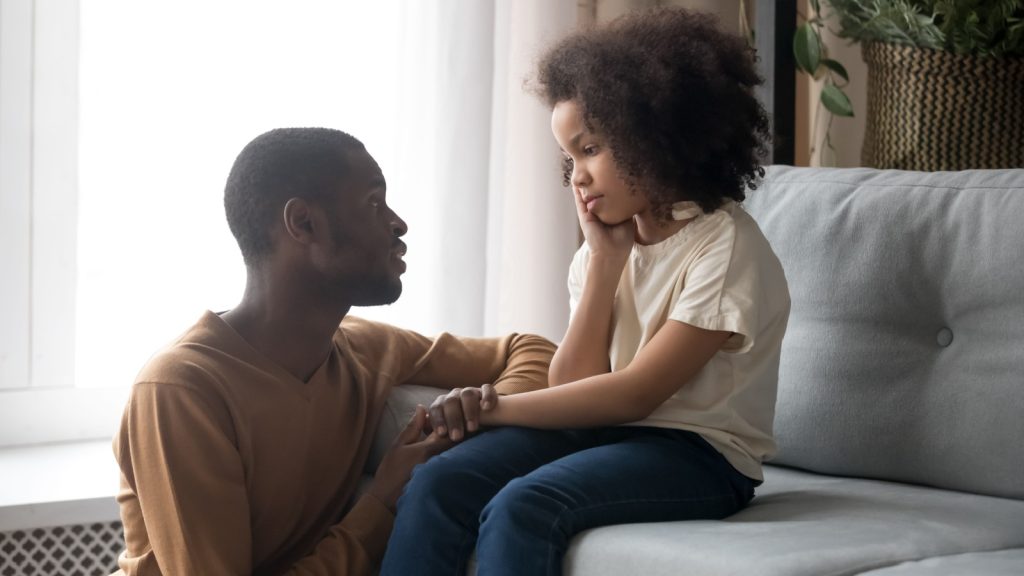
In crowded public spaces, offering your seat to someone in need was considered polite and respectful. Children were taught to give up their seats for elders, pregnant women, or those with disabilities. Today, with the prevalence of smartphones and headphones, children may not notice the needs of others around them.
Asking Permission

Asking permission before borrowing or using something that belongs to someone else was a common practice in traditional manners. This gesture instilled respect for ownership and helped children understand the concept of boundaries. Today, sharing personal belongings is commonplace, and asking permission may not always be considered necessary.
Making Eye Contact

Making eye contact while speaking was considered a sign of respect and attention. However, with the rise of social media and screens, children may not prioritize this nonverbal communication. Teaching children to make eye contact during conversations can help them develop active listening skills and improve their social interactions.
Offering Help

Traditional manners taught children to help those in need, whether a neighbor carrying groceries or a friend struggling with homework. This gesture showed compassion and kindness towards others. In our busy lives today, children may not always see the value in offering help unless explicitly taught to do so by their parents.
Introducing Yourself Properly

Children learned to introduce themselves properly. This format included stating their first and last name and making eye contact while shaking hands. This practice helped children develop confidence and social skills necessary for building relationships. These formalities may not always be emphasized in today’s casual culture
Using Proper Table Manners

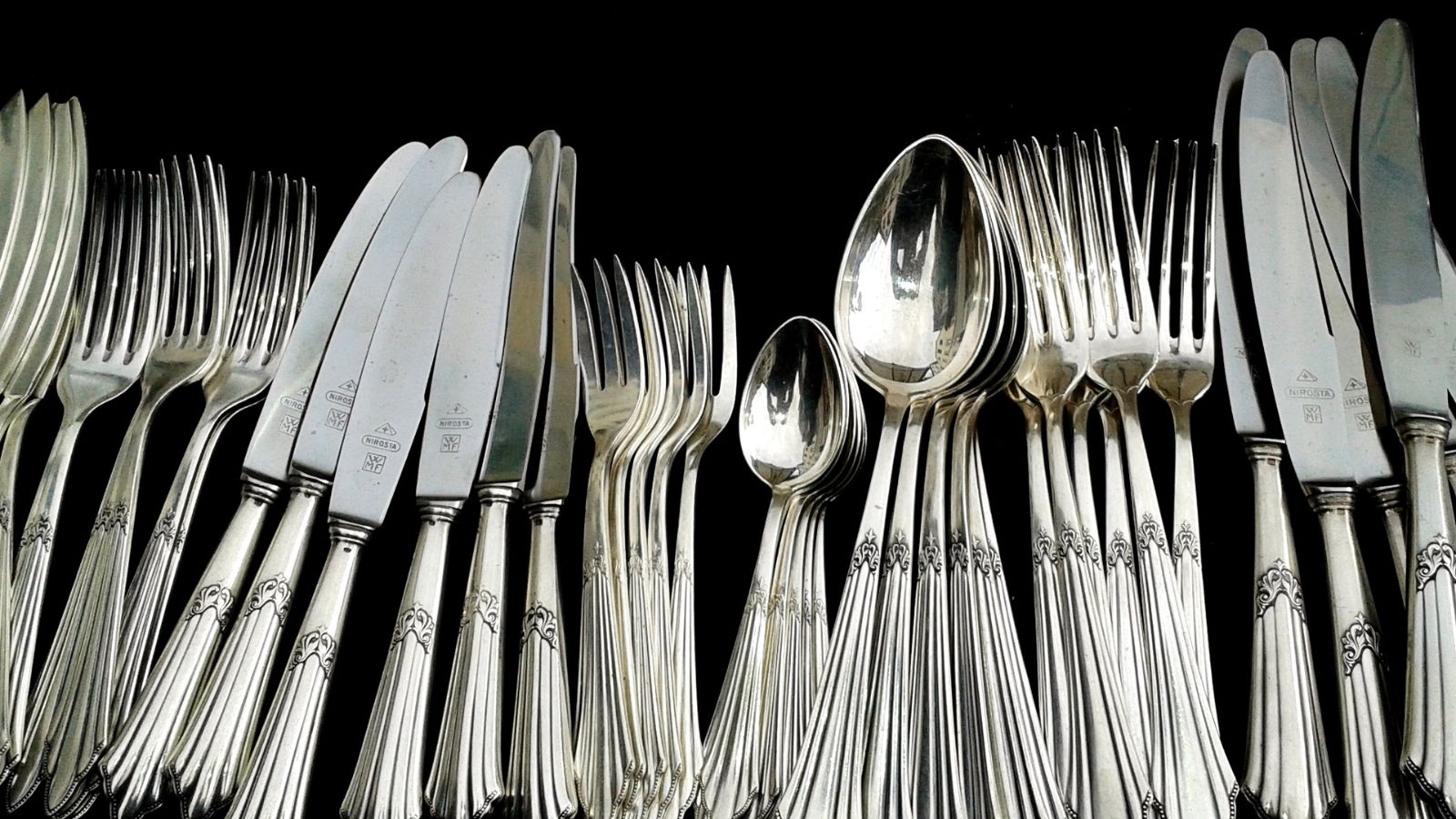
Proper table manners were once a crucial aspect of traditional childhood etiquette. Children had to sit up straight, use utensils correctly, and chew with closed mouths. These behaviors showed respect for the food and those serving it and helped develop good table etiquette, which is essential for social gatherings.
Acknowledging Mistakes

One of the disappearing manners from modern childhood is acknowledging mistakes. Children were taught to take responsibility for their actions and apologize if they had done something wrong. This practice helped them learn the value of owning up to their mistakes and making amends, fostering honesty and accountability.
Saying, “Excuse Me”
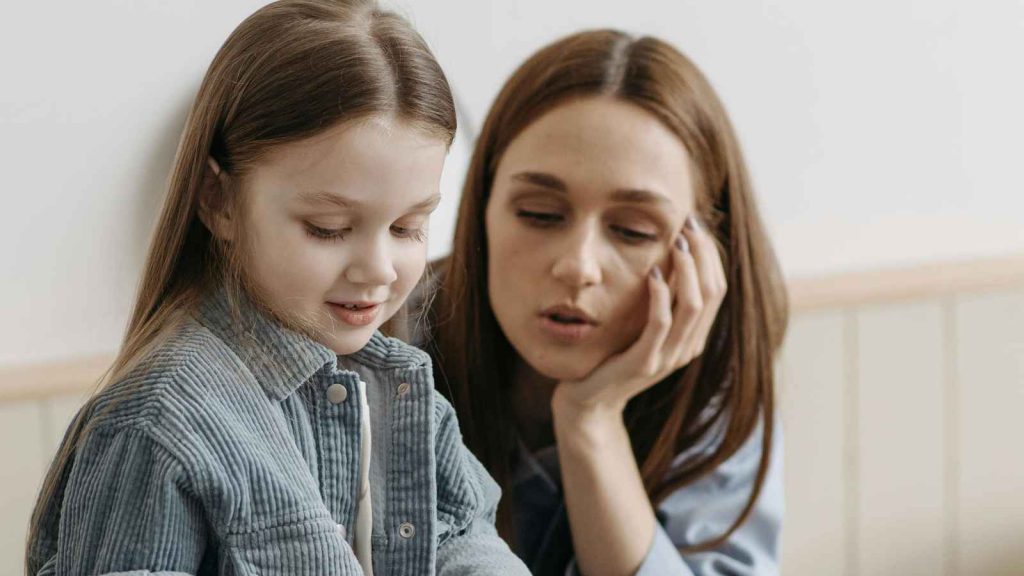
Saying “excuse me” was not only a polite way of getting someone’s attention but also showed consideration for others’ personal space. In modern childhood, this phrase may be replaced with a quick tap on the shoulder or a simple “hey,” disregarding the importance of acknowledging others.
Giving Sincere Compliments
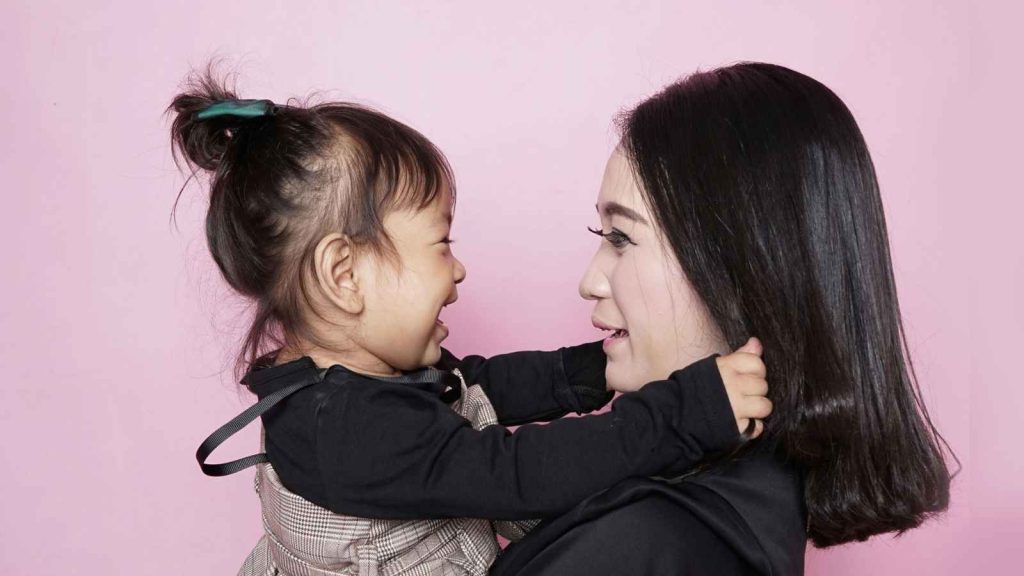
Traditional manners emphasize giving sincere compliments as a way of showing appreciation and kindness towards others. Children were taught to recognize and point out positive qualities in their friends, family, and acquaintances. Nowadays, genuine compliments may be overlooked or replaced with generic phrases.
Respecting Personal Space

Respecting personal space was once an essential aspect of childhood manners. Children learned that everyone has physical boundaries that should be respected. With the rise of social media and technology, however, children may not always understand the concept of personal space and boundaries. Teaching them to respect others’ personal space can help them build healthy relationships.