A bug out bag may seem like something only dedicated preppers need, until an emergency leaves you with just a few minutes to get out of the house. A wildfire, flood, or extended outage can turn a packed bag into something you wish you’d prepared sooner.
You don’t need to pack for every disaster imaginable, and carrying too much can make the bag hard to manage. Aim for practical supplies that can get you through roughly the first 72 hours while leaving room for items your household depends on.
First Aid Kit
A small injury can become a bigger problem if you’re away from home and can’t reach your usual supplies. Pack bandages, gauze, medical tape, antiseptic supplies, tweezers, pain relievers, and any prescription medication your household needs.
Check the kit every few months for expired products and missing supplies. Keep medications stored according to their instructions and replace anything that shouldn’t be used anymore.
Related: 16 Things You Should Seriously Consider Buying With Cash
Multi-Tool
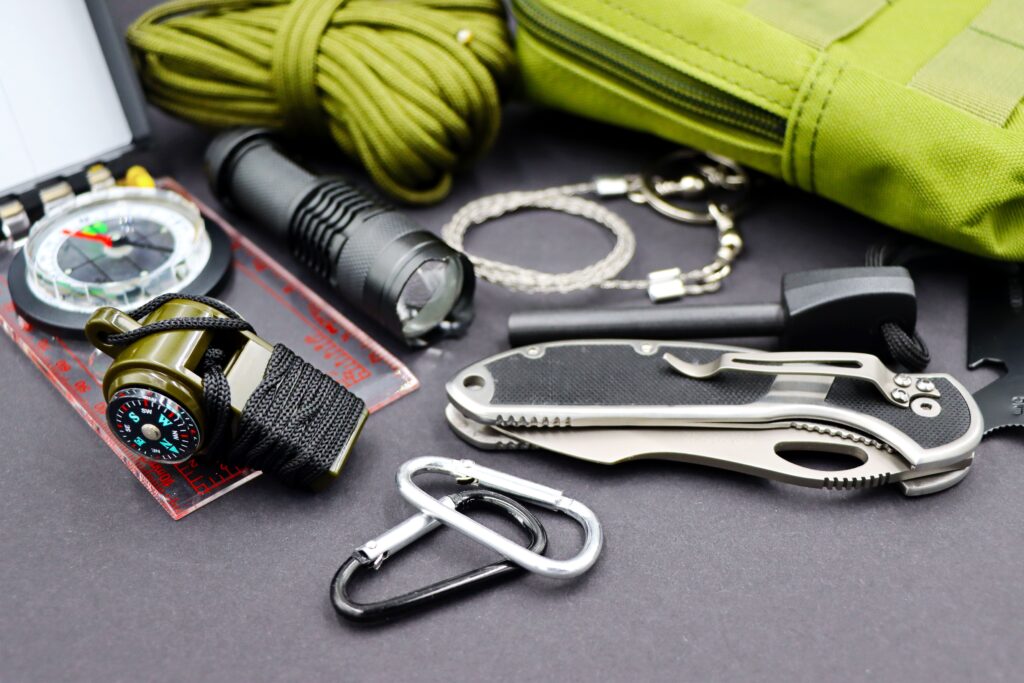
A compact multi-tool saves room while giving you access to several handy tools, such as pliers, screwdrivers, and a small blade. It may come in handy for opening packages, cutting cord, making minor repairs, and handling small tasks during an evacuation.
More Than One Way to Start a Fire
A lighter may stop working if it gets wet, breaks, or runs out of fuel, so carrying a second option can be useful. Waterproof matches and a compact fire starter provide backups, but only start a fire where it’s permitted and safe, especially during dry conditions or wildfire warnings.
Related: 10 Things You Should Double-Check Before Leaving Your Hotel
Emergency Shelter and Cordage
A lightweight tarp, emergency bivy, or emergency blanket can offer some protection from wind, rain, and cold if you can’t reach your planned destination right away. Pack a manageable length of paracord or similar cord to secure a tarp and make temporary repairs, and add a tent or sleeping bag only if the extra weight fits your needs.
A Small Change of Clothes
Being stuck in wet socks or dirty clothing can make an already difficult evacuation much more uncomfortable. Pack spare underwear, socks, and lightweight clothes suited to your local climate, along with a waterproof outer layer if rain is common in your area.
Light, Backup Battery and Charging Gear
A reliable flashlight or headlamp makes it easier to move around safely after dark or during a blackout. Keep spare batteries and a charged phone battery pack in your bag, along with the right charging cables and a battery-powered emergency radio if you need another way to receive updates.
Related: 12 Things Your Blender Can Make Besides Smoothies and Shakes
Hygiene Supplies for When Running Water Isn’t Available
A toothbrush, toothpaste, soap, hand sanitizer, toilet paper, tissues, and disposable wipes can make several days away from home more comfortable. Travel-size packages save room, while sunscreen and insect repellent may be worth packing based on the season and your destination.
Water and a Way to Treat More
Drinking water is heavy, so plan how much you can realistically carry and include refillable bottles or collapsible containers for later use. A suitable water filter or purification product can provide another option, but check what it removes because some treatments won’t protect against every type of contamination.
Food You Can Eat Without Cooking
Nuts, energy bars, dried fruit, crackers, and nut or seed butter are handy options because you can eat them without a stove. Choose foods your household likes, check expiration dates, and account for allergies, dietary needs, and young children.
Related: 7 Canned Foods Frugal People Always Buy
A Paper Map and Compass
Phone navigation may stop working if your battery dies or mobile service becomes unavailable, so keep a paper map of your local area and possible evacuation routes. A compass can also help, but learn how to read a map and take bearings before an emergency rather than trying to figure it out while you’re leaving.
Cash in Small Bills
ATMs and card readers may be unavailable during an outage, making cash useful for fuel, food, transportation, or other urgent needs. Store a modest amount in small denominations inside a waterproof pouch so the bills stay dry and are easier to spend.
Small Signaling and Multipurpose Items
A whistle can help you attract attention without shouting, and a small signaling mirror may make you easier to spot outdoors. Bandanas take up little room and can serve as head coverings, cleaning cloths, or markers for identifying gear.
Duct Tape
Duct tape can patch a torn tarp, reinforce a damaged bag, secure loose gear, or hold a broken item together until you can make a proper repair. Rather than packing a bulky roll, wrap a useful length around a flat card or another item already in your bag.
Copies of Important Documents
Copies of identification, insurance details, emergency contacts, and medical information can be useful once you’re away from home and need to arrange care or file a claim. Keep paper copies in a waterproof pouch and store secure digital backups you can access, then review both from time to time for outdated details.
Related: 15 Important Documents You Should Never Throw Away
Pack It Before You Need It
The point of a bug out bag is to have supplies ready before an emergency forces you to leave, rather than scrambling around the house to gather them. Once you’ve packed it, carry it for a short walk and remove anything you don’t need if the weight makes it hard to manage.