
Many islands around the world remain off-limits to visitors, and each has its own reason for staying that way. Some protect fragile wildlife found nowhere else on Earth. Others preserve Indigenous communities that have chosen to live without outside contact. A few are simply too dangerous because of military activity, disease, or harsh natural conditions.
These places have long captured people’s curiosity. Their isolation has inspired countless stories, but the real reasons behind the restrictions are often far more fascinating than the myths. Here are thirteen islands where setting foot on shore is either illegal, tightly controlled, or strongly discouraged.
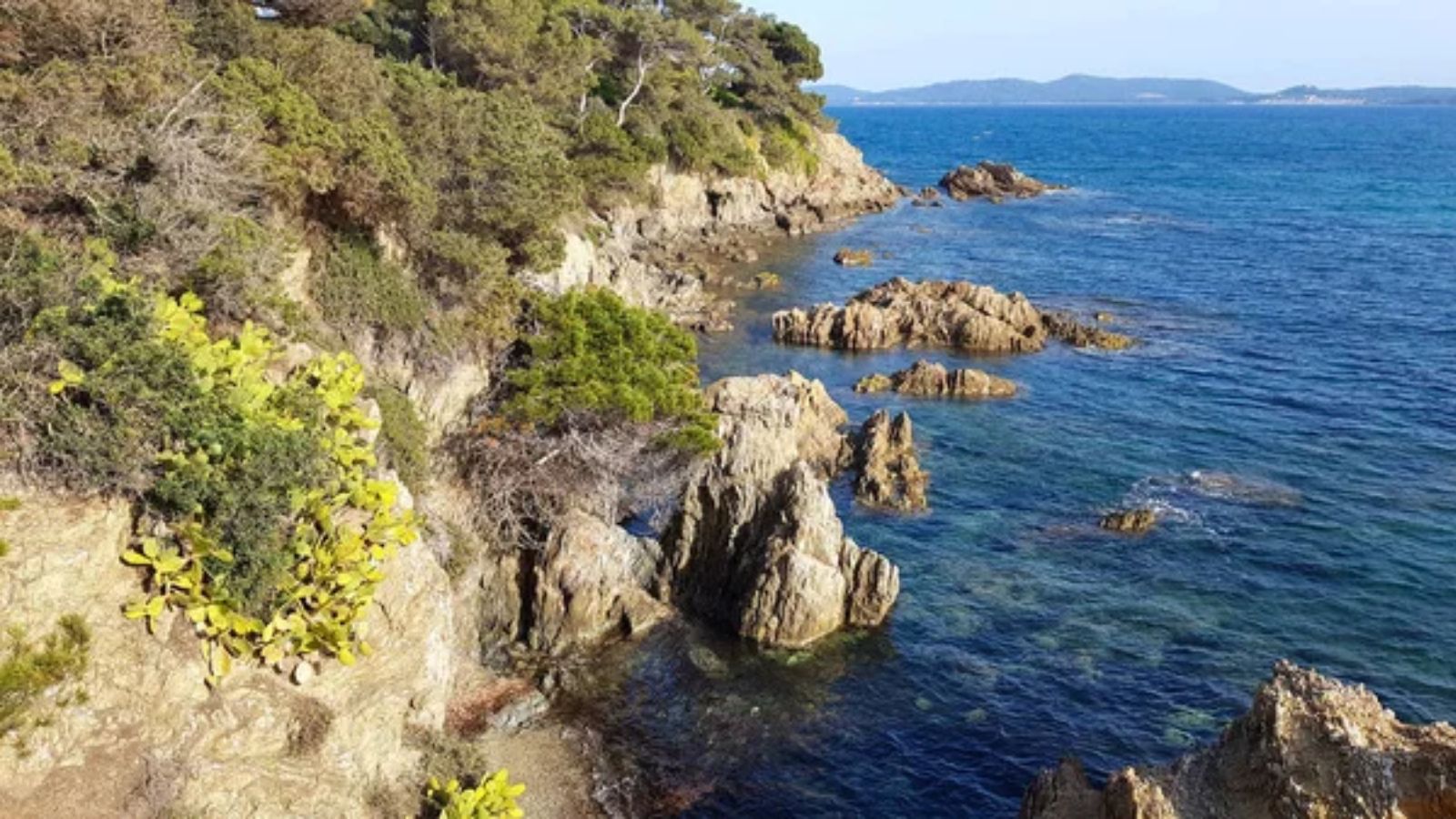
North Sentinel Island
North Sentinel Island, part of India’s Andaman and Nicobar Islands, is home to the Sentinelese, one of the world’s last uncontacted Indigenous peoples. The tribe has made it clear for generations that it wants no contact with outsiders and has fiercely defended its island from anyone attempting to land.
To protect both the Sentinelese and visitors, the Indian government has banned all travel to the island and enforces a no-entry zone around it. Today, it remains one of the most isolated places on Earth, with very little known about the people who call it home.
Bouvet Island
Bouvet Island sits deep in the South Atlantic Ocean and ranks among the most remote islands on the planet. Controlled by Norway, the island is almost entirely covered by glaciers, with steep cliffs making landings extremely difficult.
No one lives there permanently, and only small scientific expeditions occasionally receive permission to visit. Its freezing temperatures, rough seas, and isolated location make Bouvet Island one of the least accessible places in the world.
Snake Island (Ilha da Queimada Grande)
Just off the coast of Brazil lies Snake Island, officially known as Ilha da Queimada Grande. The island is famous for its large population of golden lancehead vipers, a venomous snake found nowhere else on Earth.
Because of the danger these snakes pose, the Brazilian government tightly controls access. Scientists are sometimes allowed to visit for research, but the public is not. The restrictions also help protect the island’s rare snake population and preserve its natural habitat.
Niihau
Nicknamed the “Forbidden Island,” Niihau is the smallest inhabited Hawaiian island and has been privately owned for more than a century. Most people who live there are Native Hawaiians, and the island has intentionally remained largely untouched by modern tourism.
Visits are limited to residents, invited guests, and a small number of approved tours. This careful control has helped preserve traditional Hawaiian language, customs, and a slower pace of life that has largely disappeared elsewhere in the islands.
Heard Island and McDonald Islands
Far out in the southern Indian Ocean, Heard Island and the McDonald Islands are among Australia’s most isolated territories. There are no permanent residents, and the landscape is dominated by glaciers, active volcanoes, and rugged coastlines.
Because the islands support large colonies of seabirds, seals, and other wildlife, they are protected as a UNESCO World Heritage Site. Only a handful of scientific expeditions are granted permission to visit, helping keep the ecosystem largely untouched.
Surtsey
Surtsey rose from the sea after a volcanic eruption off Iceland in 1963, creating a brand-new island before scientists’ eyes. Since then, it has become one of the world’s most valuable natural research sites.
Access is limited almost entirely to researchers studying how plants, birds, insects, and other forms of life gradually establish themselves on newly formed land. Restricting visitors prevents outside organisms from interfering with this rare scientific experiment.
Sealand
Sealand began as a British sea fort built during World War II and later became known as a self-declared micronation. Although it isn’t technically an island, its isolated location in the North Sea has earned it a place on many lists of unusual places with limited access.
Only residents, invited guests, and authorized visitors are allowed onto the platform. Its unusual history and claims of independence have made Sealand a source of endless fascination for travelers and history buffs alike.
Pitcairn Islands
The Pitcairn Islands are best known as the refuge of the HMS Bounty mutineers and their descendants. Today, they are home to one of the world’s smallest permanent communities.
Visitors are welcome, but travel is carefully managed because of the islands’ remote location and limited resources. Anyone planning a trip must arrange permission in advance, and the number of tourists remains relatively small each year.
Rockall
Rockall is a tiny, uninhabited rock rising from the North Atlantic Ocean, hundreds of miles from the nearest mainland. Its steep sides, crashing waves, and unpredictable weather make landing there extremely dangerous.
While scientists and experienced climbers have occasionally reached Rockall, most people will never set foot on it. The harsh conditions, combined with its remote location, leave it almost entirely untouched by human activity.
Gruinard Island, Scotland
Gruinard Island, off the northwest coast of Scotland, carries a dark chapter of history. During World War II, the British government used the island to test anthrax as part of military research, leaving it contaminated for decades.
A massive cleanup effort in the late 1980s and early 1990s declared the island safe again, but it remains uninhabited. Public access is still very limited, and its history continues to make it one of Scotland’s most infamous islands.
Antipodes Islands, New Zealand
The Antipodes Islands lie in the Southern Ocean, far southeast of New Zealand. These windswept islands are home to several species of seabirds and plants found nowhere else, making them an important wildlife sanctuary.
To protect this fragile environment, access is tightly controlled. Only scientists and conservation workers are typically granted permission to visit, helping preserve the islands’ unique ecosystem for future generations.
Diego Garcia
Diego Garcia is the largest island in the Chagos Archipelago in the Indian Ocean and serves as a major military base operated by the United States and the United Kingdom. Because of its strategic role, civilian access is heavily restricted.
Most travelers cannot visit the island without official authorization. While its white-sand beaches and clear waters appear idyllic, Diego Garcia remains closed to regular tourism due to its military operations.
Poveglia Island
Poveglia Island sits in the Venetian Lagoon between Venice and Lido. Over the centuries, it served several grim purposes, including a quarantine station during plague outbreaks and later a psychiatric hospital.
The island has been abandoned for years, and public access is generally prohibited. Its haunting history has inspired countless ghost stories, earning it a reputation as one of Italy’s most mysterious places. While many legends surround Poveglia, its real past is unsettling enough to explain why it continues to attract so much curiosity.